
Written: July 31, 2026 · Updated: August 2, 2026
Unraveling the Meaning Behind Navratri Celebrations: A Journey Through Tradition and Symbolism
Navratri is a vibrant festival characterized by captivating colors, music, dance, and traditional attire. However, beyond this spectacle lies a profound depth of symbolism and significance deeply ingrained within Hindu culture. Spanning nine nights and ten days, this festival isn’t merely a celebration; it’s a poignant narrative echoing through generations—a timeless portrayal of the eternal conflict between positivity and negativity.
Understanding the Core Significance: The Divine Feminine & Cycles of Life
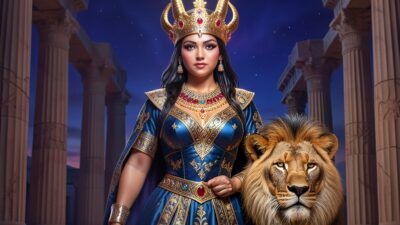
The essence of Navratri revolves around honoring the divine feminine. Each night is dedicated to one of several powerful forms – Durga, Lakshmi, Saraswati, Kali, and others – representing different facets of femininity that influence human existence. This cyclical progression mirrors the cyclical nature of life itself. These deities embody essential aspects of being: Durga symbolizes strength and protection, Lakshmi embodies prosperity and abundance, Saraswati represents knowledge and wisdom, and Kali signifies resilience and overcoming challenges.
The festival’s structure reflects an understanding that feminine energies manifest differently throughout our lives, influencing various experiences. Each form has its own mantra, rituals, and offerings allowing devotees to connect with specific qualities they wish to cultivate within themselves. It offers a chance for personal reflection and spiritual growth, strengthening connection to the divine.
The Ritualistic Dance: Exploring Garba & Other Regional Variations
A cornerstone of Navratri celebrations, particularly in Gujarat, is the captivating Garba dance. More than just graceful movement, it embodies victory—the triumph of goodness over negativity. Dancers circle a central lamp or idol, mimicking a potter’s wheel as an offering to the divine.
Beyond Garba, regional variations enrich the festival. In Maharashtra, energetic and sensual Lavani dances are performed; in Rajasthan, intricate puppet shows depicting mythological tales are common. These unique customs highlight diversity within Hindu culture and how traditions adapt over time. For example, Andhra Pradesh sees captivating Kolattam dances.
The significance of Dandiya Raas is also notable. This vibrant folk dance, often performed with decorated sticks, symbolizes joy, community spirit, and the celebration of life’s blessings during Navratri. The rhythmic beat support a sense of togetherness and shared devotion.
Historical Roots & Connections to Other Festivals
Navratri’s historical roots are interwoven with other significant Hindu festivals. It isn’t an isolated event but rather a connected thread within a larger narrative of celebrations. Festivals like Janmashtami (celebrating Lord Krishna’s birth), Dasara/Dussehra (marking the victory of Rama over Ravana, often considered an extension of Navratri), Onam (a harvest festival in Kerala), Shivaratri (dedicated to Lord Shiva), and Ugadi (the Telugu and Kannada New Year) share thematic similarities rooted in overcoming darkness and welcoming prosperity. These shared narratives highlight a deeper understanding of Hindu cosmology.
The very structure and traditions within Navratri have evolved over centuries, incorporating regional influences while maintaining its core spiritual message. Understanding these connections provides valuable context for appreciating the festival’s depth and significance; it paints a picture of how faith grows and changes with time.
Durga Ashtami & Kerala’s Unique Grass Ritual
A unique aspect is observed in Kerala on Durga Ashtami, the eighth night: worshippers offer Cynodon dactylon grass (commonly known as Bermuda grass) to Goddess Durga. This symbolizes the goddess vanquishing Mahishasura, a demon who attempted to escape her wrath by transforming into this very grass. It’s a powerful reminder of how divine grace can prevail even in our most vulnerable forms.
The Worship of Navratri: Honoring Young Girls & Burning Effigies
On Navami (the ninth night), young girls are revered as manifestations of Goddess Durga through ‘Kanya Puja.’ These girls, representing the nine forms of Durga, are bathed, adorned with new clothes, fed delicious food, and offered gifts – a profound expression of respect for femininity and its vital role in creation.
Following this ceremony, on Vijayadashami (the tenth day), symbolic effigies depicting Ravana are often burned. This represents the victory of Lord Rama over the demon king Ravana, echoing the larger theme of good triumphing over evil prevalent throughout Navratri celebrations and reinforcing the message of hope.
Beyond Tradition: Unity, Diversity & The Eternal Struggle
Navratri transcends mere adherence to tradition; it embodies a vibrant array of cultural expressions that collectively enhance its profound symbolism. Whether one participates in the spirited dances of Gujarat or observes community-specific variations, Navratri celebrates unity and diversity – a joyous celebration of shared faith.
The central theme resonating through every aspect of Navratri remains constant: the eternal struggle between good and evil.
Understanding the Symbolic Rituals: Exploring Puja, Fast, and Aarti
In addition to dance, Navratri rituals involve intricate pujas, fasting, and aartis that help devotees deepen their spiritual connection.
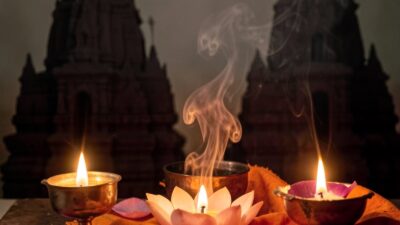
- Puja: Devotional worship during Navratri includes the use of symbolic items like flowers, fruits, incense sticks, and diyas. Each night’s offering represents specific deities, reflecting the divine energies being honored.
- Fasting: Fastings during Navratri are significant, as they help devotees cleanse their bodies and minds to prepare for a stronger spiritual connection. Some choose to fast completely, while others selectively abstain from certain foods or meals.
- Aarti: Aartis are hymns sung in praise of the deities during Navratri. Each evening as the sun sets, aartis are performed to invoke divine blessings and dispel any negativity. The use of fire and the circular movement of hands signifies protection, prosperity, and victory over darkness.
The Nine Days: Unveiling the Mythological Stories behind Each Night
Each night of Navratri is dedicated to a particular deity, unraveling a rich tapestry of mythological narratives embedded within Hindu culture.
- Day 1 (Shailaputri): The first day honors Durga as Shailaputri, symbolizing the emergence of the goddess from the Himalayas as the daughter of mountains. It signifies the beginning of creation and new beginnings.
- Day 2 (Brahmacharini): Brahmacharini represents austerity, self-control, and renunciation. She is believed to bestow wisdom and peace upon devotees, helping them embark on a spiritual journey.
- Day 3 (Chandraghanta): Chandraghanta symbolizes courage and fearlessness. As the goddess with a half-moon on her forehead, she embodies the power to vanquish darkness in all its forms.
- Day 4 (Kushmanda): Kushmanda is celebrated as the creator of the universe. With eight arms and seated on a lotus, she represents the cosmic energy that sustains life.
- Day 5 (Skandamata): Skandamata embodies motherly love and protection. As the mother of Lord Skanda (Kartikeya), she safeguards devotees from dangers and hardships.
- Day 6 (Katyaayani): Katyaayani signifies victory over challenges. She is revered as a warrior goddess, who provides strength to devotees facing adversity.
- Day 7 (Kaalratri): Kalaratri represents the dark aspect of the divine feminine that conquers evil and ignorance. As the night of time, she symbolizes the transient nature of life and the importance of spiritual growth.
- Day 8 (Mahagauri): Mahagauri embodies purity and self-discipline. She is worshipped to attain inner peace and spiritual illumination.
- Day 9 (Siddhidatri): Siddhidatri represents the goddess of attainment, offering eight supernatural powers or siddhis to devotees who seek enlightenment and ultimate perfection in life.
Understanding the Nine Forms: A Closer Look at Navratri Deities
Navratri is not just about honoring one divine feminine form, but rather a celebration that spans nine nights, each dedicated to a distinct deity. These forms represent various facets of femininity and their influence on our lives. The first three nights honor Durga, symbolizing strength and protection; the fourth night is for Lakshmi, representing prosperity and abundance; and the fifth night is dedicated to Saraswati, embodying knowledge and wisdom.
The remaining four nights are equally significant, with each night being devoted to a different form of Kali or other deities like Skandamata (Durga with Skanda) or Katyayani (Durga born from sage Katyayana). Each deity has its own mantra, rituals, and offerings that allow devotees to connect with specific qualities they wish to cultivate within themselves.
Embracing Regional Diversity: Navratri in Various Regions of India
While Garba and Dandiya Raas are popular in Gujarat, other regions have their unique customs. In Maharashtra, Lavani dances tell tales of love, heroism, and devotion. In Rajasthan, Gait Govinda performances based on a 12th-century Sanskrit poem offer captivating insights into Hindu mythology. Andhra Pradesh is known for the energetic Kolattam dances, while Uttarakhand embraces Chhau dances with elaborate costumes and mask work.
Each region’s unique traditions not only reflect cultural diversity but also showcase how traditions adapt over time to remain relevant and meaningful within their respective communities. These regional variations enrich Navratri celebrations across India, creating a vibrant tapestry of colors, music, and dance that echoes the festival’s core significance.