Written: August 1, 2026 · Updated: August 2, 2026
Exploring the Mindful Meditation Techniques of Lord Shiva: A Path to Inner Harmony
Within the rich narratives of Indian mythology, Lord Shiva stands as a figure embodying profound wisdom, unwavering tranquility, and immense potential for deep self-realization. Known by many names – Maheśvara (‘the great lord’), among them – his enduring connection with meditation practices is undeniable. While understanding these specific techniques can be challenging, this article illuminates some methods drawing from various traditions and demonstrates how you can integrate them into your daily routine for a more balanced and peaceful existence. We will examine the significance of Lord Shiva’s meditative posture and consider how his example inspires practitioners on their journey toward self-discovery.
Understanding Meditation: More Than Just Stillness
At its core, meditation is far more than simply sitting still. It’s a deliberate practice involving cultivating mindfulness – paying attention to present experiences without judgment – and actively support wisdom. Across numerous cultures and spiritual traditions, meditation is recognized as a fundamental aspect of personal growth. In Hindu philosophy, in particular, it’s believed to be a pathway to self-realization and enlightenment; a means of connecting with the divine. It’s a conscious effort to shift from reactive patterns to proactive awareness.
The Significance of Lord Shiva’s Names & Role
The very name ‘Shiva’ carries immense meaning: it translates to ‘auspicious’, ‘beneficent,’ or ‘the great.’ The term ‘Īśvara’ denotes ‘Lord’ – reflecting a position of supreme power and understanding. When combined as Maheśvara, the meaning becomes ‘the great lord,’ reinforcing his association with practices designed to deepen awareness and bring one closer to higher states of consciousness. His representation is imbued with symbolism that speaks to detachment, transcendence, and profound spiritual insight.
It’s important to note that interpretations surrounding Lord Shiva’s role vary across traditions. While revered in many Hindu philosophies, perspectives differ within Buddhism, especially within the Theravada tradition, often viewing him as a manifestation of deeper principles rather than a deity requiring direct worship. Regardless, his enduring presence highlights his significance within diverse spiritual landscapes.
Samadhi: A State of Union & Transcendence
A key concept within Hindu philosophy is Samadhi. It signifies a profound merging – the union between the meditator and the focus of their meditation. The word itself breaks down into ‘sam’ (meaning ‘with’) and ‘ādhi’ (referring to ‘Lord’ or ‘divine’). Therefore, Samadhi represents this ultimate connection with the divine—a state where individual identity dissolves, and one experiences a deep sense of oneness. Achieving this state is considered the pinnacle of meditative attainment, a gateway to boundless knowledge and liberation.
Lord Shiva: The Embodiment of Meditation Practice
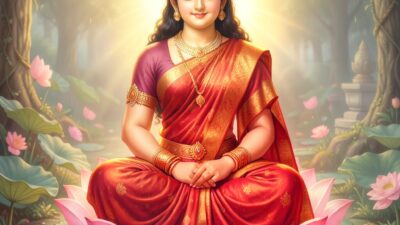
The imagery surrounding Lord Shiva consistently portrays him in serene meditative postures. The lotus position (Padmasana) is a common depiction, visually underscoring his profound dedication to these practices. Many traditions consider him not just an example but a guiding force for those seeking self-realization and enlightenment through meditation. His unwavering stillness, often depicted amid chaotic scenes, illustrates the power of inner tranquility.
observing Lord Shiva’s symbolic representation—often depicted with closed eyes or a meditative gaze—can serve as inspiration for your own practice. Even a brief moment of stillness and focused breath can be seen as paying homage to the traditions he represents – a reminder to seek solace within yourself amidst life’s turbulence.
Practical Approaches Inspired by Shiva’s Teachings
While specific meditation techniques attributed directly to Lord Shiva are often nuanced and interpreted differently across various lineages, the underlying principles remain consistent: cultivating focus, embracing stillness, and seeking inner peace. Here are some adaptable practices inspired by his example:
- Focused Breathwork: Begin with simple breathing exercises – counting breaths or focusing on the sensation of air entering and leaving your body. This mirrors Shiva’s tranquil and composed demeanor.
- Mantra Repetition: Repeating a mantra (a sacred sound or phrase) can help quiet the mind and deepen concentration, emulating meditative practices described in ancient scriptures. Consider using ‘Om’ – a universal sound associated with creation and consciousness – to begin your practice.
- Silent Contemplation: Dedicate time to simply sit in silence, observing your thoughts without judgment. This cultivates awareness—a cornerstone of mindful practice.
- Nature Observation: Shiva is often associated with nature’s beauty and power. Spend time connecting with the natural world – a walk in the forest or even sitting under a tree – can be a powerful form of meditation itself.
Beyond Technique: Embracing Inner Peace & Wisdom
The true essence of Lord Shiva’s teachings isn’t necessarily contained within a rigid set of instructions, but rather lies in the continual pursuit of inner peace and profound wisdom. It’s about approaching meditation with openness, curiosity, and an unwavering commitment to self-awareness. It is not merely a ritual but a lifestyle – incorporating mindfulness into every action and interaction.
By embracing this philosophy, you can begin to cultivate that same sense of balance and insight that resonates from Lord Shiva’s very being. It’s about transforming your relationship with yourself and the world around you, cultivating compassion, and understanding.
One of the most notable aspects of Lord Shiva is his depicted meditative posture – the Tirasana or ‘Lord of the Dance’ pose. In this position, he sits cross-legged on a tiger skin and wears a serpent as a necklace, symbolizing mastery over the senses and the ego. The extended arms in the gesture of ‘Abhaya Mudra’ convey fearlessness and protection, signifying that through meditation, one can attain fearlessness and inner peace.
Another essential aspect of Lord Shiva’s meditation practice is Pranayama, the control of breath. It’s believed that by controlling the breath, one can influence their prana or life force energy, ultimately leading to spiritual growth and greater awareness. The most commonly associated Pranayama with Lord Shiva is Anulom Vilom or ‘alternate nostril breathing,’ a powerful technique known for its calming effects on the mind and body.
By incorporating these practices, such as adopting Shiva’s meditative posture and practicing Pranayama, individuals can seek to cultivate inner peace, balance, and a deeper connection with the divine in their own lives. As one look deeper into understanding these techniques, it becomes evident that the journey of meditation is not only about stillness but also transformation.
One of the most iconic aspects of Lord Shiva is his meditative posture, the ‘Damaru Danda Asana.’ This position involves sitting cross-legged on a tiger skin or cobra, symbolizing his mastery over the animal kingdom and his control over lower desires. With one leg folded into the opposite arm, he holds a damaru (a small drum) in the other hand to maintain rhythm during meditation, demonstrating the balance between stillness and movement. Adopting this posture not only reflects Lord Shiva’s connection with meditation but can also serve as an inspiration for modern practitioners seeking a deeper understanding of their own practice.
Lord Shiva’s meditative practices encompass various breathing techniques, or ‘Pranayama,’ that help to unite the body and mind. One such practice is Anulom Vilom Pranayama, also known as Alternate Nostril Breathing. This method involves blocking one nostril while inhaling through the other, then reversing the process during exhalation. By focusing on breath control, practitioners can cultivate mental clarity and inner peace, mirroring Lord Shiva’s tranquil essence.