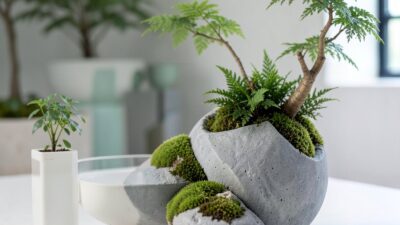
Written: July 22, 2026 · Updated: August 5, 2026
Connecting with Nature: The Emerging Trend of Biophilic Design
In our increasingly digital world, a yearning for connection with nature is blossoming into a powerful design trend. We’re seeking sanctuary from screens and sterile environments, turning to biophilic design – an approach that literally translates to ‘love of life’ or ‘love of nature’. More than just aesthetics, it represents a conscious effort to integrate natural elements into our built environment, impacting both physical and mental health.
What Exactly Is Biophilic Design?
At its core, biophilic design is about mimicking the patterns and processes found in nature within architectural spaces. It goes beyond simply adding plants; it encompasses a range of strategies like maximizing natural light, incorporating natural materials (wood, stone, bamboo), using organic shapes and forms, mimicking natural ventilation systems, and even including water features or sounds of nature.
The goal is to create environments that feel restorative, inspiring, and emotionally fulfilling – tapping into our innate human need for connection with the natural world. Think sunlight filtering through leaves, the texture of raw wood under your fingertips, or the calming sound of running water. These seemingly small details have a profound impact on how we experience space.
The Deep Roots: History & Evolution of Biophilic Design
While the term ‘biophilic design’ is relatively recent, the concept isn’t new. Humans have instinctively sought connection with nature throughout history. Ancient civilizations often built structures incorporating natural elements, demonstrating an intuitive understanding of its restorative properties. From Roman bathhouses designed to maximize sunlight and fresh air to traditional Japanese gardens that embody tranquility and harmony, these spaces foreshadowed modern biophilic principles.
The contemporary movement truly gained momentum in the 1980s with research highlighting the negative impacts of sterile environments on human health. Biophilic design emerged as a deliberate response – a conscious effort to reverse those trends and reconnect people with the natural world.
The Symbiotic Relationship with Sustainability
The beauty of biophilic design lies not only in its aesthetic appeal but also in its inherent alignment with sustainable practices. Both approaches share core values: reducing environmental impact, conserving resources, and promoting human health. By utilizing natural materials and minimizing reliance on artificial systems (like excessive lighting), biophilic designs inherently lessen their carbon footprint.
Incorporating green roofs and walls – a common feature in biophilic spaces – helps to improve air quality, reduce the urban heat island effect, and provide habitats for local wildlife. These strategies contribute significantly to a more sustainable future while simultaneously enhancing the beauty of our built environment. Sustainable practices also often encourage responsible sourcing of materials ensuring minimal environmental disruption.
The Science Behind Feeling Better: Biophilia & Wellbeing
The benefits of biophilic design are not merely anecdotal; they’re backed by scientific research. Studies have shown that exposure to natural elements can reduce stress levels, lower blood pressure, improve cognitive function, and enhance creativity. Natural light regulates our circadian rhythms, leading to better sleep quality and increased productivity.
Nikos Salingaros’s work emphasizes this connection, highlighting how patterns found in nature subconsciously soothe and inspire us. Environments devoid of these elements – the stark, repetitive landscapes of many modern buildings – can contribute to feelings of alienation and fatigue. Neuroscientific research even points to how natural environments stimulate specific brain regions associated with positive emotions and focus.
Practical Applications: Bringing Nature Indoors
You don’t need a sprawling estate to embrace biophilic principles. Even small-scale implementations can make a significant difference. Here are some accessible ideas:
- Bring in Plants: Houseplants purify the air, add life and color, and create a sense of tranquility.
- Maximize Natural Light: Position furniture to take advantage of sunlight and consider using sheer curtains that diffuse harsh rays.
- Incorporate Natural Materials: Opt for wooden furniture, stone countertops, or bamboo flooring. Even small accents like woven baskets or ceramic vases can add warmth and texture.
- Introduce Natural Sounds & Scents: use essential oil diffusers with scents like pine or lavender, or play recordings of nature sounds to create a calming atmosphere.
- Mimic Nature’s Patterns: Incorporate patterns found in nature – think spirals (like seashells) or fractals (like ferns) – into your decor and artwork.
Beyond these individual elements, consider larger-scale changes like incorporating water features or creating dedicated “nature zones” within a home or office space. The key is to be intentional about bringing natural cues into the environment.
The Future is Green: Innovative Trends in Biophilic Design
The biophilic design movement is rapidly evolving. We’re seeing innovative applications like ‘living walls’ incorporating complex ecosystems, the use of bio-integrated facades that actively clean air, and increasingly sophisticated lighting systems designed to mimic natural light patterns. Virtual reality (VR) and augmented reality (AR) are even being explored to simulate natural environments for those who lack access to them.
We’re also seeing a rise in “biomimicry” – where designs are inspired by nature’s solutions to engineering challenges, such as termite mounds providing natural ventilation. As awareness grows, biophilic design is moving beyond a niche trend and becoming an integral part of sustainable and human-centered architectural practices.
The Psychological Impact: Why Nature Matters to Our Minds
Our innate connection with nature isn’t just aesthetic preference – it’s deeply ingrained in our psychology. Evolutionary psychologists suggest that humans evolved in close proximity to nature, and our brains are wired to respond positively to natural stimuli.
Exposure to green spaces has been linked to reduced anxiety, improved mood, and increased feelings of wellbeing. Even glimpses of nature through windows can have a restorative effect on cognitive function and reduce mental fatigue. Understanding these psychological benefits is crucial for creating truly effective biophilic environments.
More Than Just Decoration: Creating Spaces That Nourish Us
Biophilic design isn’t just about making spaces look beautiful; it’s about creating environments that actively support our health and wellbeing. By reconnecting with nature in the places we live, work, and play, we can cultivate a greater sense of peace, inspiration, and connection to the world around us.
Considering the powerful impact this design philosophy has on mental and physical well-being, what’s one small change you could implement today to bring more nature into your everyday life?
Recognizing the Pitfalls and Optimizing Biophilic Design
While embracing nature’s elements in our built environment is undeniably beneficial, it’s crucial to understand where people often go wrong when implementing biophilic design.
1. Overlooking Functionality: Focusing solely on aesthetics can result in spaces that may look beautiful but fail to meet practical needs. Incorporating natural elements should enhance functionality without compromising it. 2. Ignoring Context: Biophilic design is most effective when tailored to the local environment and climate. Consider the specific conditions of your location, from temperature ranges to native flora and fauna, to create a truly harmonious space. 3. Lack of Maintenance: Plants and natural materials require care to thrive, and neglecting their upkeep can lead to decreased effectiveness of biophilic design elements. Establishing a maintenance plan is essential for ensuring the long-term success of your project.
Practical Checklist for Successful Biophilic Design
To achieve a truly restorative and inspiring space, follow this checklist:
1. Maximize Natural Light: Use large windows or skylights to bring sunlight into the building. This not only improves visual comfort but also boosts productivity and mood. 2. Incorporate Plants Strategically: Choose plants that are appropriate for your climate zone, and position them where they can have the greatest impact on air quality and psychological wellbeing. 3. use Natural Materials: Use materials such as wood, stone, and bamboo in construction to create a stronger connection with nature. 4. Embrace Organic Shapes: Incorporate curved forms and irregular patterns into architecture and design to mimic natural landscapes. 5. Mimic Natural Ventilation Systems: Design the building to encourage airflow, reducing dependence on mechanical ventilation systems and improving indoor air quality. 6. Include Water Features or Nature Sounds: The sound of running water or birdsong can create a calming environment that boosts mood and concentration. 7. Establish a Maintenance Plan: Regularly check plants and materials to ensure they remain healthy and functional, maintaining the overall effectiveness of your biophilic design.
Cultivating Connection: A Call to Action
As we continue to navigate our increasingly digital world, the need for spaces that support connection with nature becomes more critical than ever. By embracing the principles of biophilic design and avoiding common pitfalls, we can create environments that promote wellbeing and contribute positively to both our personal lives and the planet as a whole.
So, are you ready to make your space more restorative, inspiring, and emotionally fulfilling? Embrace nature – it’s closer than you think.