Written: July 22, 2026 · Updated: August 5, 2026
The Dawn of Immersive Athletic Development
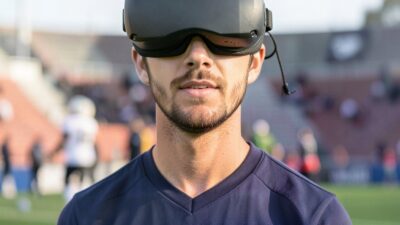
The world of sports constantly seeks advantages – new approaches to improve peak performance, refine skills, and minimize risk. By 2026, virtual reality (VR) is no longer a futuristic fantasy; it’s rapidly integrating into athletic training programs across various disciplines. We’re seeing a significant shift away from traditional methods toward immersive, data-driven experiences that once seemed impossible.
The Genesis: VRTO – A Toronto Innovation Story
The story frequently starts in unexpected places. In 2015, Toronto became a hub for virtual reality innovation with the creation of VRTO (Virtual Reality Toronto). Spearheaded by Keram Malicki-Sánchez, whose expertise spans VR development, interactive art, and community engagement, VRTO’s mission was to encourage exploration and understanding of VR’s potential. Their inaugural meeting in June 2016 signaled a growing interest within the city’s tech scene, fueled by the desire to explore practical applications for VR beyond entertainment.
Why Virtual Reality for Athletic Training?
The appeal of VR in sports isn’t simply about novelty; it’s based on concrete advantages. Traditional training methods can be expensive, require substantial travel, and are often constrained by environmental factors. VR provides a powerful solution: customizable environments, repeatable scenarios, and the ability to analyze performance data in real-time—all accessible from virtually anywhere. The significant cost savings alone present a compelling reason for wider adoption.
Personalized Training Programs: Crafting Athlete-Specific Experiences
One of the most exciting aspects of VR training is its capacity for personalized development. Generic workout routines are becoming obsolete. With VR, coaches can design unique environments that precisely target an athlete’s weaknesses and build on their strengths. For example, a basketball player could practice free throws against dynamically adjusted virtual defenders, or a golfer could perfect their swing on a simulated course replicating challenging conditions, such as wind and uneven terrain.
Realistic Game Simulations: Replicating Pressure & Unpredictability
Repetitive drills are crucial for skill development, but they often fail to capture the pressure and unpredictability of real competition. VR excels at bridging this gap. Athletes can be immersed in hyper-realistic game scenarios, facing opponents with AI that adapts to their performance, simulating crowd noise, and even factoring in weather conditions – all without the risk of physical injury or extensive travel costs. This allows for repeated exposure to high-pressure situations in a safe and controlled training environment.
The Rise of Remote Coaching: Global Expertise Accessible Anywhere
The geographic limitations that once restricted access to coaching expertise are dissolving. VR empowers remote coaches to guide athletes in real-time, analyzing their movements through virtual tracking systems and delivering immediate feedback. This creates incredible opportunities for aspiring athletes to learn from world-class trainers, regardless of location or budget constraints – democratizing access to elite instruction.
Biometric Integration: Data as the Foundation of Performance Improvement
Modern VR training goes beyond visuals; it’s deeply intertwined with biometric data tracking. Sensors integrated into headsets and clothing monitor heart rate, muscle fatigue, balance, and more. This information is then incorporated into the virtual environment, allowing coaches to adjust workout intensity, optimize recovery strategies, and even identify potential injury risks before they manifest. The granular detail in this data facilitates informed decision-making about athlete well-being.
Esports & Physical Training: A Synergistic Relationship
The convergence of VR and esports is increasingly significant. As VR hardware continues to improve, more intricate and realistic competitive gaming experiences will emerge, blurring the lines between traditional sports and virtual competition. These advancements not only drive innovation in VR technology but also provide new avenues for athletes to display their skills—and even train those skills – pushing the boundaries of human capabilities.
Navigating Challenges in 2026: Cost & User Experience
While the future appears promising, challenges remain. The cost of high-end VR equipment can be a barrier for some teams and individuals, limiting accessibility. Ensuring user comfort—particularly during prolonged training sessions—requires continued advancements in both hardware and software to minimize cybersickness and maximize engagement.
A Glimpse into 2026: Redefining Athletic Performance
The impact of virtual reality on athletic performance by 2026 is undeniable. It’s not merely a trend; it represents a fundamental change in how athletes train, compete, and recover. From personalized workout programs to immersive game simulations and remote coaching capabilities, VR is poised to reshape the sports landscape. As technology continues its rapid evolution, we can anticipate even more innovative applications that will push the boundaries of human performance.
The Misconception: Overemphasizing Simulation Perfection
Despite VR’s promising potential, it’s crucial to address a common misconception: the pursuit of simulation perfection. While creating highly realistic virtual environments is desirable, an overemphasis on replicating every aspect of a game or training situation can be counterproductive. It’s more important to focus on providing athletes with valuable learning experiences and targeted feedback than striving for absolute realism.
Considering the incredible progress made in VR training, what new and unexpected application of this technology do you think might emerge within the next few years – perhaps one beyond what we’re currently imagining?
Exploring Challenges and Balancing Acts in VR Athletic Training
Here’s Where People Get It Wrong
While VR’s potential for athletic training is undeniable, it isn’t a silver bullet. The technology still faces several challenges that must be addressed to ensure a smooth transition from traditional methods. One major concern is the risk of over-reliance on virtual experiences, leading to a decrease in practical, hands-on training. Balancing virtual and real-world practices is essential for holistic development.
Overcoming Obstacles: A Practical Checklist
1. Integration Strategy: Develop a comprehensive plan to introduce VR technology into existing training programs while minimizing disruption. 2. Equipment Accessibility: Ensure that athletes, especially those with limited resources, have access to the necessary equipment. 3. Data Security and Privacy: Implement solid security measures to protect sensitive performance data. 4. User-Friendly Interfaces: Design interfaces that are intuitive and easy to navigate for both athletes and coaches. 5. Ongoing Research and Development: Continuously evaluate and improve VR technology to address emerging challenges and maximize benefits.
The Future of Athletic Training: A Symphony of Realities
As we move towards 2026, the fusion of virtual reality with athletic training promises a meaningful era in sports development. By harnessing the power of immersive technology while navigating its challenges, we can open up unprecedented opportunities for personalized growth, remote coaching, and realistic game simulations – ultimately revolutionizing how we train, compete, and excel.
Soft Question: What does the future hold for virtual reality in sports, and how can you help shape it? Share your thoughts below!
Challenges and Tradeoffs in VR Athletic Training
While VR promises exciting possibilities for athletic development, it’s important to acknowledge potential challenges and trade-offs. For instance, the high initial investment required for VR equipment may create barriers for some teams or individuals. overreliance on VR could lead to a lack of physical interaction with real-world environments, which might impact an athlete’s ability to adapt to varying conditions. As such, it is essential to strike a balance between traditional and virtual training methods.
Practical Checklist for Incorporating VR in Your Training Regimen
- Assess your budget and prioritize investments based on team needs and available resources.
- Research various VR systems and choose one that best suits your sport’s unique requirements.
- Collaborate with experts in VR development to create personalized training programs and simulations.
- Monitor athlete progress and adjust training regimens as needed to ensure continued improvement.
- Encourage athletes to supplement virtual training with real-world practice, focusing on adapting to various conditions.
Embracing the Future of Sports Performance Training
By 2026, virtual reality will undoubtedly revolutionize athletic performance training. The potential for personalized development, real-life simulation, and remote coaching will democratize access to elite instruction and push the boundaries of sports excellence. However, it is crucial to approach this technology thoughtfully, recognizing the challenges and strike a balance between virtual and traditional methods for optimal results.
As you embark on your VR journey, remember that progress never comes without questions. How will VR training impact your team’s performance? What unique advantages can you use to gain the competitive edge in 2026 and beyond?