Revolutionizing Modern Art: The Role of Virtual Reality in 2026
Imagine stepping into a canvas, feeling the texture of a sculpture, and wandering through an artist’s mind. It sounds like science fiction, yet this level of immersive experience is rapidly becoming reality thanks to Virtual Reality (VR). As we approach 2026, VR’s influence on art isn’t just emerging; it’s fundamentally reshaping how art is created, shared, and experienced – moving beyond passive observation towards active participation.
Breaking Boundaries: VR as a New Artistic Medium
For centuries, artists have pushed the limits of their chosen mediums. Virtual Reality offers a radical departure, allowing creators to transcend physical constraints entirely. Traditional sculptures are bound by material limitations; paintings reside within a framed space. VR liberates artists from these conventions. Architects can design entire sprawling worlds, sculptors can mold formless digital clay at any scale imaginable, and painters can create immersive environments where viewers literally step inside the artwork. This isn’t just about viewing art; it’s about inhabiting it – experiencing it not as an observer but as a participant.
Defying Physical Limits: Expanding Creative Horizons
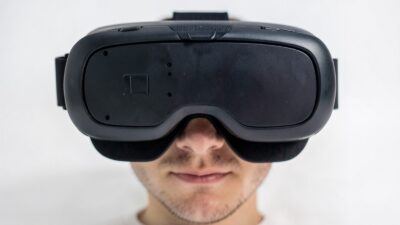
The most immediate impact of VR on modern art is its ability to bypass physical limitations. A monumental sculpture previously confined by material and space can be realized in its full, unconstrained glory within a virtual environment. Imagine experiencing a work so large it’s impossible to perceive in reality—now achievable within a VR headset. Artists are experimenting with scale, motion, interactivity, and even synesthesia – blending visual art with sound, touch (through haptic feedback), and potentially even scent, pushing the boundaries of sensory experience.
The Rise of Immersive Virtual Galleries: Democratizing Art Access
The traditional gallery model faces disruption. VR enables the creation of virtual galleries accessible worldwide, offering unparalleled opportunities for cultural exchange and democratized access to art. These digital spaces can host exhibitions showcasing works from diverse artists and cultures, breaking down geographical barriers and support a more inclusive artistic community. Museums are already experimenting with rudimentary VR tours; by 2026, expect them to become commonplace, allowing anyone with a headset to experience masterpieces from the comfort of their home—or explore collections previously inaccessible due to location or preservation concerns.
Engaging Audiences in New Ways: Interactive and Personalized Experiences
VR elevates audience engagement far beyond traditional art forms. Instead of passively observing a painting, viewers can become active participants in an artistic narrative. Interactive VR installations react to viewer movement and interaction, creating personalized experiences that support emotional connection and understanding. Imagine a sculpture that changes form based on your gaze or a painting whose colors shift with your proximity—this is the power of immersive engagement, support not just appreciation but genuine empathy with the artist’s vision.
Generative Art & AI Collaboration: A New Frontier in Creativity
The synergy between VR and Artificial Intelligence (AI) open up entirely new avenues for artistic exploration. Generative art – artwork created by algorithms – can now be experienced in immersive VR environments, offering viewers dynamic, ever-changing forms and patterns that evolve in real time. Artists are increasingly collaborating with AI to generate concepts, refine designs, and even create entire virtual worlds, blurring the lines between human creativity and machine intelligence, leading to creations previously unimaginable.
Navigating the Ethical Landscape: Ownership and Authenticity
The rise of VR art isn’t without its ethical challenges. The creation of highly personalized and immersive experiences raises questions about data privacy and user consent—how is viewer interaction tracked? establishing ownership and authenticity in a world of easily reproducible digital assets becomes increasingly complex. Non-fungible tokens (NFTs) offer one potential solution for verifying originality and provenance; however, the legal and regulatory landscape surrounding VR art remains in its early stages, necessitating ongoing discussion and development.
The Evolving Artist: From Creator to Experience Architect
As VR technology matures, so too does the role of the artist. No longer solely a creator of objects or images, artists are increasingly becoming experience architects – designing entire virtual environments and curating interactive narratives for viewers to explore. Technical skills in 3D modeling, programming, user interface design, and spatial audio are now as important as traditional artistic training. The skillset required is expanding beyond the purely aesthetic to encompass a broader range of technical competencies.
Looking Ahead: A Glimpse into the Future of VR Art
The potential of Virtual Reality to revolutionize modern art is only just beginning to be realized. As the technology becomes more accessible, affordable, and sophisticated—with improved resolution, haptic feedback systems, and enhanced processing power – we can anticipate even more groundbreaking innovations in the years to come. Imagine collaborative art projects spanning multiple virtual worlds, or entire VR experiences shared simultaneously by artists and audiences worldwide. The future promises an explosion of creativity, innovation, and immersive artistic experiences that redefine what it means to create and experience art.
As you consider the boundless possibilities VR offers to art – from personalized galleries to shared creation spaces – what kind of interactive artwork experience are you most excited to step into?
Harnessing the Power of AI and Generative Art: Uncharted Territories of Creativity In 2026, Virtual Reality (VR) will usher in a new era of artistic collaboration with Artificial Intelligence (AI). This partnership holds immense potential for pushing creative boundaries further. Generative art is an exciting subfield that employs algorithms to create unique pieces. AI can analyze artists’ styles and produce new work based on their aesthetics, offering endless possibilities for exploration and experimentation. The collaboration between human creativity and AI-generated content promises to revolutionize traditional artistic processes. However, here’s where people often get this wrong – while AI can aid in the creation of art, it should never replace human emotion and intuition. The best outcomes occur when artists work alongside AI tools, using their unique insights to guide the algorithms towards producing genuinely captivating works. Navigating Trade-offs: Balancing Creativity with Technical Challenges As VR continues to evolve, it will bring forth new challenges for artists and technologists alike. One of the most significant hurdles lies in managing the balance between artistic vision and technical constraints. Developing complex virtual environments requires substantial computational resources, which may limit the scale or complexity of certain projects. haptic feedback, while enhancing immersive experiences, faces challenges related to accuracy and realism. Artists will need to navigate these trade-offs carefully to ensure their visions translate effectively into virtual reality without compromising on quality or user experience. Practical Checklist for Embracing Virtual Reality in Modern Art 1. Experimentation: Explore various VR tools and techniques, pushing the boundaries of your artistic practice. 2. Collaboration: Work with technologists to refine your vision and overcome technical challenges. 3. Immersive Storytelling: Develop immersive narratives that engage audiences in new ways, support deeper emotional connections. 4. AI Integration: use AI-generated content as a tool for experimentation, pushing the limits of creativity and artistic expression. 5. Accessibility: Make your work accessible through virtual galleries, breaking down geographical barriers and democratizing art access. 6. Continuous Learning: Stay updated on emerging VR technologies and techniques to ensure your practice remains cutting-edge. A Final Thought: The Future of Art Belongs to Those Who Dare to Explore In 2026, Virtual Reality will reshape the art landscape by offering new avenues for creativity and artistic expression. As we embrace this technology, let’s remember that the true power lies in our ability to push boundaries, collaborate, and innovate. Will you be one of those who dares to explore? Here’s a question to ponder: How will you use Virtual Reality to revolutionize your artistic practice and transform the way we perceive art?