Redefining Retail: The Rise of Augmented Reality in Fashion
The retail narrative has often been framed by discussions of a supposed ‘apocalypse,’ but perhaps it’s more accurate to see it as a critical call for innovation. Consumers now have access to the unparalleled convenience and choice of online shopping, prompting traditional physical stores to confront a challenge: how to remain appealing and relevant in today’s consumer landscape. Offering products alone simply isn’t enough; crafting immersive and memorable experiences has become the new currency.
Enter Augmented Reality (AR), a powerful tool empowering retailers to recapture customer attention and reimagine the entire shopping journey, bringing digital enhancements directly into physical spaces. It’s about more than just novelty – it represents a fundamental shift in how we interact with products and brands.
What is Augmented Reality?
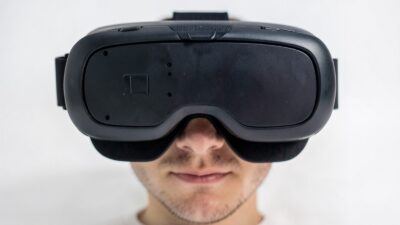
Augmented Reality fundamentally alters our perception of reality by overlaying computer-generated visuals onto our view of the real world. Unlike Virtual Reality (VR), which completely immerses users in a simulated environment, AR enhances and builds upon existing surroundings. Think of Pokémon Go – digital characters interacting with your physical location. In retail, this translates to virtually trying on clothes or accessories, visualizing furniture within your home before purchase, or accessing interactive product information simply by pointing your smartphone.
Fashion’s Early Adoption: Paving the Way for Innovation
The fashion industry is rapidly recognizing AR’s potential to enrich every facet of the customer journey—from initial discovery and consideration to final purchase and post-sale engagement. Sephora’s pioneering use of virtual makeup try-on mirrors, allowing customers to virtually sample shades and looks, stands as a prime example. Similarly, Warby Parker ingeniously implemented AR technology enabling customers to virtually try on eyeglasses from the comfort of their homes.
These early successes highlight AR’s ability to address key customer frustrations—the uncertainty of fit and appearance – while significantly driving sales, demonstrating its practical application and compelling value proposition. They set a precedent for what’s possible when digital innovation meets retail strategy.
The Tangible Benefits Beyond the Hype
The adoption of AR isn’t solely about creating a flashy new feature; it delivers tangible benefits for both retailers and consumers. Shoppers enjoy increased convenience, reduced uncertainty regarding fit or appearance, and an overall more engaging experience. Retailers see improvements in customer satisfaction scores, decreased product return rates—which translate to significant cost savings—and a demonstrably enhanced brand image.
The widespread integration of AR across various industries is evidenced by compelling projections: Statista anticipates the global AR market will reach $209.2 billion by 2027 – a testament to its growing significance and potential for meaningful impact.
Hyper-Personalization Powered by Augmented Reality
AR holds the exciting promise of elevating personalization to unprecedented levels. Imagine receiving product recommendations not solely based on past purchases, but also informed by your individual body measurements and deeply understood style preferences. AR-powered applications can now use smartphone cameras alongside sophisticated algorithms, analyzing a customer’s physique to suggest garments that are most flattering for their unique build.
This tailored approach cultivates a stronger sense of connection and loyalty between the retailer and consumer, support a personalized shopping experience that sets it apart from generic offerings. It moves beyond broad generalizations and caters directly to individual needs and desires.
Navigating the Data Privacy Landscape
The increasing reliance on personal data inherent in AR-powered experiences raises legitimate privacy concerns. To deliver genuinely personalized recommendations, applications often require access to sensitive information such as body dimensions and preferred style profiles. Building trust is paramount in this new landscape.
Therefore, transparency regarding data collection practices, solid security measures protecting consumer information, and strict adherence to evolving data privacy regulations will be essential for building customer trust and ensuring the responsible implementation of this technology. Ethical considerations must guide every step of AR integration.
Reskilling & Upskilling: Preparing the Retail Workforce
The integration of AR isn’t just revolutionizing the shopping experience; it’s also generating a surge in demand for specialized skill sets. Anticipate increased opportunities for professionals specializing in AR development, 3D design, user experience (UX) design, and marketing focused on immersive technologies.
Retailers will need to invest in training current employees or strategically recruit individuals possessing these crucial expertise to effectively embrace this changing landscape. The future of retail requires a workforce equipped with both technical proficiency and creative vision.
support Collaboration for Wider Adoption
The successful implementation of AR technology demands a collaborative effort that transcends individual initiative. Strong partnerships among retailers, technological providers, fashion brands, and creative agencies are vital to support innovation, share specialized knowledge, and accelerate the creation of compelling and user-friendly experiences.
Breaking down silos and embracing open communication will be key to open up the full potential of AR in fashion retail.
Peering into the Future: What’s Next for AR & Fashion?
The evolution of AR within the retail sector is just beginning. We can anticipate even more advanced applications on the near horizon—including highly realistic virtual dressing rooms capable of accurately simulating fabric movement, interactive product customization tools enabling consumers to design their own apparel pieces, and immersive store environments that seamlessly blend digital elements with physical presence.
The convergence of AR with other technologies like artificial intelligence (AI) and 5G promises a future where shopping is not just convenient, but truly meaningful. This isn’t merely about improving the current model; it’s about creating entirely new possibilities for connection and engagement within the fashion retail sector.
From its humble beginnings to its soaring potential, AR has proven itself as more than just a fleeting trend in fashion retail. It’s shaping the future of how we shop – one immersive experience at a time. Considering this evolution, what specific aspect of AR-enhanced shopping do you find most intriguing?
open up Hyper-Personalization with Augmented Reality
In today’s fast-paced world, customers yearn for unique and tailored experiences that resonate with their individual preferences. This is where AR comes into play, revolutionizing the way retailers deliver personalized content to their customers.
Hyper-personalization allows retailers to create an immersive shopping experience by presenting customized recommendations based on each customer’s needs, styles, and preferences. For example, a fashion retailer could use AR technology to analyze a shopper’s body type, color palette, and personal style, then suggest items that align perfectly with their unique aesthetic.
Here’s Where People Get it Wrong: Lack of Data-Driven Insights
While the potential for hyper-personalization is immense, many retailers struggle to implement effective strategies due to a lack of data-driven insights. In order to create truly personalized experiences, retailers must invest in collecting and analyzing customer data, such as purchase history, browsing behavior, and preferences. By using this information, retailers can deliver content that resonates with each individual shopper, increasing engagement and driving sales.
Practical Checklist for Hyper-Personalization Using AR
1. Collect customer data: Gather information about your customers’ purchasing history, browsing behavior, preferences, and demographics. 2. Analyze the data: Use advanced analytics tools to identify patterns, trends, and insights that can inform personalized content strategies. 3. Implement AR technology: Integrate AR into your retail offerings to provide immersive and engaging experiences for shoppers. 4. Test and optimize: Continuously test and refine your personalization strategy based on customer feedback and performance data.
Wrapping Up: The Future of Fashion Retail is Here — and It’s Personal
In the ever-evolving world of retail, staying ahead of the curve means embracing innovation and delivering exceptional experiences for customers. By harnessing the power of Augmented Reality, fashion retailers can transform their offerings, captivate shoppers, and build lasting relationships based on trust, personalization, and unparalleled convenience.
So, are you ready to take your retail strategy to new heights with AR-powered hyper-personalization? Let’s dive into the realm of possibilities and redefine the future of fashion retail together!