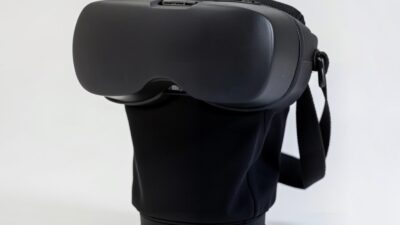
Written: August 3, 2026
Diving into a New Era: Virtual Reality Sports Training
Imagine stepping onto the field or court without physically being there, experiencing every nuance of game conditions—the pressure, the angles, the opponent’s movements. This isn’t science fiction; it’s the emerging reality of virtual reality (VR) sports training. The technology promises to reshape how athletes prepare and compete, creating a uniquely immersive learning environment.
The allure is undeniable, but its effectiveness remains crucial for coaches and athletes alike. Let’s look into VR’s impact on sports and explore what the future holds.
The Growing Momentum Behind VR Sports Training
The adoption of VR represents a significant shift in athlete development. Initially confined to research labs, VR technology has become accessible, driving its appeal for teams seeking a competitive edge. Organizations like VRTO highlight advancements, accelerating understanding and application. Increased visibility within professional sports validates its potential.
Replicating Reality: Why Simulation Matters
The core strength of VR training lies in realistic simulations. Athletes practice complex plays repeatedly without physical strain or risk of injury. This isn’t just about repetition; it’s experiencing conditions – varying weather, surfaces, and opponent strategies – within a controlled environment. This targeted exposure refines decision-making under pressure.
From Skill Acquisition to Tactical Awareness
VR empowers athletes to hone cognitive skills. For example, quarterbacks repeatedly run plays with virtual defenders reacting realistically, or basketball players practice defensive positioning against simulated opponents. These repetitions build muscle memory, improve reaction times, and enhance spatial awareness—all critical for split-second decisions.
Data & Insights: The Coaching Advantage
One of the most significant benefits VR offers is data collection. Advanced systems track every movement – from a golfer’s swing to a baseball player’s bat speed. This granular detail allows coaches and trainers to identify weaknesses, refine techniques, and personalize training regimens with unprecedented accuracy. The New York Yankees and FC Barcelona are pioneers in adopting VR for injury rehabilitation and game strategy.
Addressing the Challenges: Cost & Accessibility
Widespread VR integration isn’t without hurdles. The initial investment – headsets, sensors, software – can be substantial, hindering smaller teams or individual athletes. Creating high-quality simulations requires specialized expertise and development time. As technology matures, we expect costs to decrease, expanding accessibility across all levels of sport.
The Evolving Landscape: Future Trends in VR Training
The future points towards greater immersion and personalization. Haptic feedback systems are becoming more sophisticated, simulating impacts and forces. Augmented reality (AR) integration promises to overlay virtual elements onto the real world – imagine a soccer player practicing free kicks with a holographic net.
Beyond Repetition: The Psychological Impact of VR
The benefits extend beyond skill acquisition; VR plays a powerful role in mental preparation. Athletes can simulate high-pressure situations, familiarizing themselves with competition and developing strategies for managing anxiety – vital for sustained performance under scrutiny.
Integration is Key: Blending VR with Traditional Methods
VR won’t entirely replace traditional training. Instead, it’s poised to become an invaluable complementary tool. A blended model—combining on-field practice with virtual simulations—likely offers the best approach.
The technology evolves rapidly, and staying current is key for any athlete or coach seeking a competitive edge. What began as intrigue quickly becomes an indispensable resource for optimized athletic performance.
What specific element of sports training do you believe will be most profoundly impacted by the continued evolution of VR technology?
The Balancing Act: Striking a Balance Between Traditional Training and Virtual Reality
Virtual reality’s potential in sports training is undeniable, but it’s essential to consider its place within the broader context of athlete development. Here’s where people often get it wrong – relying solely on VR can deprive athletes of the valuable sensory experiences provided by traditional training methods.
The Human Touch: Why Real-World Experience Matters
While VR offers a controlled, customizable environment for honing skills and strategies, it doesn’t replace the tactile feedback and unpredictable elements that real-world training provides. For example, learning to read an opponent’s body language in a high-pressure game situation is something that cannot be simulated virtually.
The Practical Checklist: A Balanced Approach to Sports Training
To ensure optimal development for athletes, consider implementing the following checklist:
1. VR Simulation: use virtual reality for repetitive, low-risk practice sessions to build muscle memory and refine techniques. 2. Traditional Drills: Continue with conventional drills that provide valuable sensory experiences and real-world applications. 3. Data Analysis: use technology to collect, analyze, and interpret data from both VR and traditional training sessions. 4. Coaching Input: Incorporate human expertise – coaches and trainers – to provide guidance and adjust training programs based on individual needs. 5. Regular Evaluation: Periodically assess the effectiveness of the training approach, making adjustments as necessary to maintain progress and optimize performance.
Closing Thoughts: The Future of Sports Training is a Blend of Realities
As virtual reality continues to evolve, it’s clear that its impact on sports training will be profound. However, it’s essential to remember that the most effective training regimens combine the immersive, controlled environment offered by VR with the tactile, unpredictable experiences provided by traditional methods. By striking this balance, athletes can benefit from the best of both worlds – a recipe for success in the new frontier of sports training.
So, what do you think? How do you envision virtual reality shaping the future of sports training? Share your thoughts and join the conversation on the evolving landscape of athlete development.
Here’s where people get this wrong: Some may argue that traditional training methods are sufficient and question the necessity of VR. However, the unique benefits offered by VR—like real-time data analysis, personalized training programs, and immersive simulations—make it an invaluable tool for athletes looking to refine their skills and gain a competitive edge.
A Practical Checklist for Implementing VR Sports Training
- Identify Key Areas: Determine which aspects of your training regimen could benefit most from VR technology. This might include skill acquisition, tactical awareness, or injury rehabilitation.
- Assess Equipment Needs: Research and evaluate the necessary equipment for your specific sport or discipline—headsets, sensors, software, etc. Make sure to consider both cost and accessibility.
- Collaborate with Experts: Partner with VR specialists who can help design and implement tailored training programs that cater to your team’s needs and objectives.
- Monitor Progress and Adjust: Regularly review performance metrics and adjust training programs as needed to ensure continued improvement and optimal results.
The Final Play: Embracing a Brighter Future
Virtual reality sports training offers an exciting, immersive opportunity to reshape the way athletes prepare and perform. As technology continues to evolve, we can expect VR’s role in sport to become increasingly significant. So let’s embrace this new frontier, challenge conventional wisdom, and strive for excellence like never before.
Now that you’ve learned about the potential of virtual reality in sports training, what do you think are the biggest challenges facing widespread adoption? Share your thoughts below!
Pushing Boundaries: Balancing Intensity and Immersion
While VR training offers a unique, immersive experience, striking the right balance is crucial. Overloading athletes with intense simulations can lead to sensory overload or desensitization. It’s essential for developers to design adaptive training programs that gradually expose athletes to increasingly challenging scenarios.
Here’s Where People Get This Wrong
Mistaking VR for a panacea is a common pitfall. Virtual reality should complement traditional training methods, not replace them. Coaches and athletes must understand its limitations and potential trade-offs. For instance, while virtual environments can simulate many situations, they may lack the unpredictability found in live competition.
Practical Checklist for Implementing VR Training
1. Identify clear training objectives – focusing on specific skills or scenarios. 2. Evaluate available hardware and software – considering cost, quality, and compatibility with existing equipment. 3. Develop targeted simulations that replicate real-world conditions. 4. Monitor athlete engagement and progress – ensuring they remain motivated and are seeing improvements. 5. Integrate VR training into a broader training plan – balancing virtual experiences with traditional practice.
Closing Thoughts
The future of sports training is being shaped by virtual reality. From skill acquisition to data-driven insights, the technology offers a wealth of opportunities for athletes and coaches alike. But as we dive deeper into this new frontier, it’s important to remember that VR should be a tool in our arsenal—not a substitute for the grit and determination required on the field.
As you explore the world of virtual reality training, consider its potential impact on your sport, team, or individual performance. And don’t forget to share your experiences—your journey could inspire others to join this exciting revolution in sports training.
Closing the Gap: Harnessing Virtual Reality for Sports Training Success
In the quest for a competitive edge, athletes and coaches are increasingly embracing virtual reality (VR) as an innovative tool to enhance their performance. By immersing themselves in realistic game scenarios, VR provides an unparalleled training environment that support skill development, tactical awareness, and strategic decision-making.
To maximize the benefits of this cutting-edge technology, several key considerations must be addressed:
1. Cost-effective solutions: Ensure that VR hardware and software are accessible and affordable for teams and individual athletes, making them an integral part of training regimens without breaking the bank. 2. Quality and compatibility: Prioritize high-quality visuals and smooth gameplay that accurately replicate real-world conditions, while ensuring smooth integration with existing equipment and platforms to facilitate a cohesive training experience. 3. Targeted simulations: Develop simulations tailored to specific sports, positions, or players’ needs, providing personalized learning opportunities that cater to each athlete’s unique strengths and weaknesses. 4. Monitoring engagement and progress: use data analytics to track athletes’ performance, motivation levels, and areas for improvement, ensuring they remain engaged and see noticeable advancements in their skills. 5. Integration into comprehensive training plans: Balance virtual experiences with traditional practice to create a holistic approach that use the best of both worlds, support well-rounded athletes who excel on the field or court.
As we venture further into the realm of VR sports training, it’s essential to remember that this technology is just one tool among many in our pursuit of excellence. While virtual reality can help bridge gaps and push boundaries, it cannot replace the grit, determination, and passion that athletes bring to their craft.
As you embark on your journey into virtual reality training, consider its potential impact on your sport, team, or personal performance. And don’t forget to share your experiences—your story could inspire others to join this exhilarating revolution in sports training. The future is here, and it’s time for us all to start and redefine what it means to train like a champion.