Written: June 26, 2026 · Updated: August 9, 2026
The Future of Football Training: A Virtual Revolution
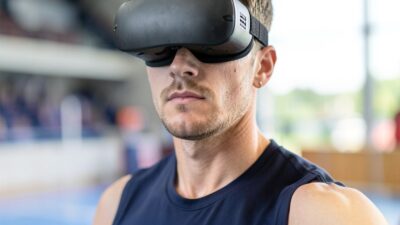
The intersection of sports and technology continues to accelerate. While virtual reality (VR) once held prominence in gaming, its potential within professional football is rapidly unfolding. By 2026, VR training isn’t just a futuristic concept; it’s becoming an integral part of elite teams worldwide. This article explores how this innovative technology is reshaping player development, coaching strategies, and overall team performance.
The Rise of Immersive Football Simulation
The traditional football landscape often involves repetitive drills, costly scouting trips, and the constant threat of injury. Now, a new approach is emerging: players can step onto a virtual field to experience game conditions without leaving their training facility. This isn’t about replacing physical practice; it’s about augmenting it with incredibly realistic, data-rich simulations.
Pioneering Innovation: EON Reality and Virtual Football Labs
At the forefront of this VR revolution stands EON Reality, a software developer specializing in creating immersive virtual environments. These aren’t simple simulations; they are dynamic, responsive platforms designed to accurately reflect the complexities of a real football field. EON Reality’s focus is on realistic visuals and physics engine integration for an unparalleled sense of presence, marking a significant leap from earlier VR experiences.
A Collaborative Partnership: VREL at East Carolina University
The partnership between EON Reality and the Virtual Reality and Education Laboratory (VREL) at East Carolina University has been instrumental in pushing the boundaries of what’s possible. This collaboration isn’t just about creating advanced technology; it’s focused on using VR’s educational power to translate directly into measurable improvements on the field. The VREL’s involvement ensures that these training programs are built upon sound pedagogical principles and deliver tangible results for athletes, transitioning beyond novelty into impactful methodology.
Recreating Game Day Conditions: Immersive Realism in Virtual Football
The core benefit of VR is its capacity to create remarkably realistic training scenarios. Players can step into environments that replicate actual game conditions, including specific stadiums, diverse weather patterns (rain, snow, heat), and even replicating opponent formations – all without the logistical challenges of traditional methods. This level of immersion allows players to mentally prepare for a wide range of circumstances they might encounter during a match.
Data-Driven Development: open up Performance Insights Through VR Analytics
Beyond scenario simulation, VR provides unparalleled opportunities for data collection and analysis. Sensors meticulously track every movement – nuanced footwork, adjustments in body positioning, reaction times measured in milliseconds – providing coaches with detailed insights into player performance, often unattainable through observation alone. This enables truly personalized feedback and targeted skill development.
Reducing Costs & Expanding Accessibility: Democratizing Elite Training
The financial advantages of VR training are substantial. Teams can significantly reduce travel expenses, eliminate facility rental costs associated with traditional pre-season camps, and lessen the logistical burdens that often hinder smaller clubs. This increased accessibility extends beyond professional teams; youth leagues and amateur organizations now have access to high-quality, specialized training resources, helping level the playing field for aspiring athletes.
Injury Prevention: A Safer Path to Peak Performance with Virtual Practice
The controlled environment of VR allows players to practice high-impact movements and techniques repeatedly without the risk of physical injury. This is particularly valuable for perfecting tackling form, honing blocking strategies, or navigating complex defensive maneuvers in a safe setting. By mastering these skills virtually, players can transfer that confidence and proficiency to the field with reduced risk, contributing to improved player well-being.
Maximizing Efficiency: Time Management in the Age of Virtual Football
Time is a crucial resource for professional athletes. VR training maximizes this by eliminating downtime often associated with traditional drills. Players spend less time waiting and more time focused on refining skills under coaching guidance. This increased efficiency translates directly into faster skill development, improved team readiness, and greater overall productivity.
Beyond 2026: Envisioning the Future of VR in Football Training
The integration of virtual reality in football training is still evolving, but its sophistication and prevalence will only increase. Expect advancements in haptic feedback (allowing players to ‘feel’ contact), AI-powered opponents capable of dynamic adaptation, and collaborative VR environments for remote team analysis. The future is filled with exciting potential.
From simulating complex game scenarios to providing data-driven performance insights, VR training offers a revolutionary approach to player development. As the technology continues to advance, it promises to fundamentally change how football teams prepare for competition. Considering these advancements, what specific aspect of virtual reality training do you think will be most impactful in shaping the future of the sport?
One of the most exciting aspects of VR football training is its potential to democratize elite training, making it more accessible and affordable. By removing the need for expensive travel for scouting trips or hosting international games, teams can focus resources on improving their players and facilities. As the cost of VR technology continues to decrease, we will see a proliferation of this technology across various levels of football, from youth leagues to professional clubs.
Here’s Where People Get This Wrong
It’s important to note that VR training is not intended to replace the human touch of a coach or the benefits of traditional physical practice. Instead, it serves as an essential tool for coaches to create more effective training programs, backed by data-driven insights and immersive simulations. By understanding its role within the broader football ecosystem, teams can maximize its potential while ensuring that players continue to grow holistically.
A Practical Checklist for Implementing VR Training
- Identify specific areas for improvement: Determine the skills or aspects of your team’s performance that could benefit most from VR training.
- Assess available technology: Research and choose a VR platform that aligns with your team’s needs and budget.
- Collaborate with experts: Partner with developers, universities, or organizations that specialize in VR for sports to ensure the best possible training programs.
- Integrate data analysis: use collected data to create personalized feedback and targeted skill development for your players.
- Monitor progress: Regularly evaluate the impact of VR training on player performance, making adjustments as needed to maximize its effectiveness.
The Future of Football Training is Bright
By 2026, virtual reality training will be an indispensable tool in the football world. The potential for this technology to transform player development, coaching strategies, and overall team performance is enormous. As we continue to explore the limits of what’s possible, one thing remains clear: VR has the power to revolutionize the game we love.
So, when you step onto the field in 2026, will you be ready for a new level of competition? The future of football training is within reach. Are you prepared to seize it?
One of the most compelling advantages of VR training is its potential to democratize elite football training. By reducing costs associated with physical facilities, travel, and equipment maintenance, teams at all levels can access top-tier resources. This not only levels the playing field but also opens up opportunities for emerging talent, who may otherwise be overshadowed by resources.
Tradeoffs and Challenges: Navigating the Virtual Frontier
While VR training offers a myriad of benefits, it’s important to acknowledge its tradeoffs. Investment in VR technology can be substantial and requires ongoing maintenance. not every player may respond equally well to virtual training; some athletes may still require traditional methods for optimal development.
Practical Checklist: Assessing the VR Advantage
- Evaluate team needs and resources to determine if VR training aligns with your goals and budget.
- Research available VR solutions (e.g., EON Reality, Virtual Football Labs) to find the best fit for your organization.
- Assess the impact of VR on player development, both quantitatively (data analysis) and qualitatively (player feedback).
- Monitor player engagement levels to ensure optimal immersion and learning outcomes.
- Stay updated on advancements in VR technology to maintain a competitive edge.
Wrapping Up: The Future of Football Training
As the world of football embraces VR training, it’s not just about keeping up with technology; it’s about pushing the boundaries of what’s possible in player development. By 2026, we can expect this innovative technology to have transformed the way teams train and perform, creating a new realm for sports where data-driven insights, immersive experiences, and personalized development redefine the game.
Now that you’ve look into the future of football training through virtual reality technology, how do you see it shaping your team’s strategy?