The Rise of Adaptive Training Equipment: Reshaping Athletics
The intersection of sport and technology has given rise to a fascinating new era – the age of smart sports gear. No longer confined to futuristic concepts, these advancements are becoming increasingly accessible, fundamentally altering how athletes train, compete, and recover. While initially envisioned as tools for inclusivity and accessibility for individuals with disabilities, smart sports gear now offers tangible benefits for everyone from weekend warriors to elite professionals. It’s not just about helping those who face physical challenges; it’s about open up the full potential of all athletes.
Adaptive Technology: A Foundation for Inclusivity and Performance
The roots of smart sports gear are deeply intertwined with adaptive technology – devices originally designed to assist individuals facing mobility or sensory challenges. Historically, these tools provided essential support; today, they’re being reimagined to optimize performance across the board. The crucial shift lies in recognizing that ‘adaptive’ isn’t just about overcoming limitations, but also about maximizing abilities and tailoring experiences to individual needs – whether those needs relate to a physical challenge or simply an aspiration for peak performance.
The Technological Convergence: What Does Smart Sports Gear Actually Do?
Imagine equipment responding dynamically to your body’s needs. Smart clothing that analyzes sweat composition and adjusts temperature, helmets providing immediate impact data and GPS location, shoes that automatically adjust cushioning based on gait – these are no longer pipe dreams. These innovations provide invaluable real-time feedback, personalized support, and enhanced safety measures, all delivered seamlessly during training or competition.
Adaptive Footwear: Revolutionizing Running & Beyond
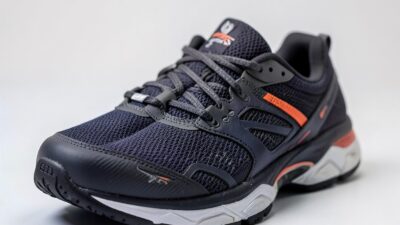
The running world has led the charge in adaptive footwear innovation. The days of generic, one-size-fits-all shoes are fading into memory. Now, runners can access adaptable shoes that dynamically adjust to their foot structure, offering a level of comfort and injury prevention previously unimaginable. Integrated sensors analyze gait patterns and provide crucial data – allowing runners to fine-tune their form for increased efficiency and reduced risk.
Wearable Technology: Going Beyond Basic Fitness Tracking
While early iterations focused on step counting and basic heart rate monitoring, wearable technology has matured significantly. Today’s devices are seamlessly integrated into specialized sports equipment, providing granular data points such as heart rate variability (HRV), muscle fatigue levels, and even detailed biomechanical analysis. This allows for much more targeted training adjustments, optimizing both performance and recovery.
Personalized Support: The Core of Adaptive Training Equipment
The true power of adaptive training lies in its personalization capabilities. It’s not about providing a one-size-fits-all solution; it’s about tailoring support to the unique needs and goals of each individual athlete. Consider adjustable resistance mechanisms on weight machines that adapt to strength levels or personalized feedback systems that immediately correct form – all designed to maximize effectiveness.
Smart Helmets: Prioritizing Safety and Emergency Response
Safety is paramount in many sports, particularly those involving high impact or potential for injury. Smart helmets are now common in activities like cycling, skiing, and contact sports, and they represent a significant advancement in athlete protection. Integrated impact sensors trigger alerts upon significant impacts, providing valuable data for post-incident analysis. Built-in GPS functionality also offers vital location tracking – a potentially life-saving feature during emergencies.
Instant Feedback: Elevating Game Performance with Smart Balls & Rackets
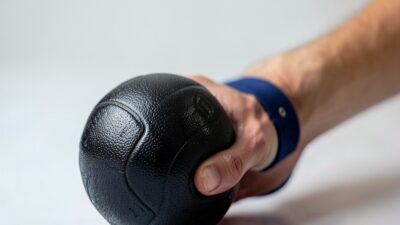
Continuous feedback is essential for skill development in any sport. Smart balls and rackets now deliver precisely that, bringing real-time data on speed, spin, trajectory, and impact points directly to the athlete. A tennis racket analyzing swing speed or a soccer ball tracking kick power – this level of detail allows players to immediately refine their technique and accelerate improvement.
AI-Powered Analysis: Precision Insights from Smart Targets & Goalposts
The integration of Artificial Intelligence is taking sports analytics to new heights. Smart goalposts and targets use cameras and AI algorithms to analyze player shots with unprecedented precision, providing instant feedback on everything from angle and power to technique and form. This level of detail—previously accessible only through expensive coaching sessions—is now available to athletes of all levels.
Immersive Training: The Potential of Virtual Reality in Sports
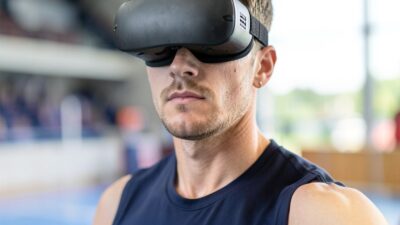
Virtual reality isn’t just for gaming; it’s rapidly becoming an invaluable training tool for athletes. VR technology allows athletes to practice complex plays, navigate challenging courses, and replicate game-like scenarios in a safe, controlled environment. This accelerates skill development, boosts confidence, and provides opportunities for repetition without the risk of physical injury.
The future of smart sports gear is bright – we can anticipate even more smooth integrations between technology and athletic performance, coupled with new materials and sensor technologies. However, this progress raises important questions about affordability, data security, and ensuring that these technological advancements enhance, rather than overshadow, the intrinsic joy and passion for sport. As adaptive training equipment becomes increasingly prevalent, are you prepared to embrace its potential – particularly in enhancing athlete safety? What single feature of smart sports gear do you envision having the greatest impact on your sporting experience?
The Benefits and Challenges: A Deeper Look at Smart Sports Gear
The Double-Edged Sword of Personalization
While the potential benefits of smart sports gear are undeniable, it’s essential to consider the challenges that come with increased personalization. As technology advances, so does the complexity and cost associated with these adaptive tools. Ensuring they remain accessible and affordable for all athletes will be crucial.
Tradeoffs in Design and Performance
Another consideration is the delicate balance between design innovation and performance optimization. While it’s exciting to see new features being introduced, it’s equally important that these advancements don’t come at the expense of reliability or durability. A smooth blend of cutting-edge technology and solid construction will be key to long-term success.
Here’s Where People Get It Wrong: Expectations vs Reality
It’s essential to remember that adaptive training equipment is still in its infancy, and there’s a significant gap between the promises made by manufacturers and what consumers can realistically expect. While these tools have the potential to revolutionize athletics, they’re not magic bullets – they require consistent effort, patience, and an understanding of their limitations.
Practical Checklist for Adopting Smart Sports Gear
1. Research: Investigate various options, comparing features, costs, and user reviews to find the best fit for your needs. 2. Trial Period: If possible, test equipment before committing to a purchase – this will help ensure it meets your expectations and provides tangible benefits. 3. Education: Familiarize yourself with the technology and learn how to use its features effectively. This might involve reading user manuals or attending workshops/seminars. 4. Maintenance: Regularly maintain your gear according to manufacturer guidelines to maximize its lifespan and performance. 5. Adaptability: Be open to adapting your training routines based on the feedback provided by your smart sports gear – this will help you get the most out of your investment.
Closing Thoughts: Embracing the Future of Training
As we stand on the precipice of a new era in athletics, it’s crucial to approach smart sports gear with an open mind and realistic expectations. These tools offer unprecedented potential for enhancing performance and accessibility, but they also present challenges that must be addressed head-on. By embracing this technology and working together to overcome its obstacles, we can usher in a future where the only limitation is our imagination.
So, are you ready to take your training to the next level? Embrace the future of adaptive training equipment – it’s time to open up your full potential!