Written: July 20, 2026 · Updated: August 5, 2026
Embracing Zero-Waste Gardening: Cultivating Sustainability at Home
In the heart of 2026, as we navigate an era increasingly aware of our environmental impact, many are seeking ways to live more sustainably – and that often starts at home. Imagine a space where your garden isn’t just beautiful but also actively contributes to a healthier planet. That’s the promise of zero-waste gardening.
It’s more than just a trend; it’s a philosophy centered around reducing waste, reusing resources, and regenerating the environment—a commitment we can all embrace. The urgency is rising as traditional gardening practices take a toll on our planet’s resources. Let’s explore how you can transform your garden into an eco-friendly haven.
Why Sustainable Gardening Practices are Crucial in 2026
The demands placed on our environment are only intensifying. Traditional gardening methods, often reliant on chemical fertilizers and excessive watering, contribute to pollution and deplete precious resources. As we look toward 2026 and beyond, adapting our practices isn’t just preferable – it’s essential for a healthy planet. Zero-waste gardening offers a tangible way to lessen your environmental impact while cultivating a thriving outdoor space. It’s about recognizing that even small changes in our habits can collectively make a significant difference.
Xeriscaping: Designing Your Garden with Water Conservation
Xeriscaping represents a paradigm shift in landscape design, moving beyond aesthetics and prioritizing water conservation. Originating in arid regions facing scarce water resources, this technique involves designing landscapes that minimize or even eliminate the need for supplemental irrigation. This isn’t merely about saving water—it’s about creating resilient gardens adapted to local conditions. A thoughtfully designed xeriscaped garden can potentially reduce your water consumption by as much as 75%, demonstrating its profound environmental impact and long-term cost savings.
The Power of Native Plants: Building a Resilient Ecosystem
Integrating native plants is foundational for successful zero-waste gardening and complements xeriscaping perfectly. These remarkable plants are naturally adapted to your local climate, soil conditions, and rainfall patterns, significantly reducing the need for watering, fertilizing, and pest control compared to non-native species. Beyond their resource efficiency, they also provide critical habitats and food sources for beneficial insects and pollinators—increasing biodiversity in your backyard ecosystem and contributing to a healthier environment overall. Think of vibrant wildflower meadows alongside drought-resistant shrubs and native grasses working harmoniously with nature.
Mulch Magic: Improving Soil Health & Conserving Water
A layer of organic mulch offers far more than just aesthetic appeal; it’s a cornerstone of zero-waste gardening practices. Organic mulches like wood chips, shredded leaves, or even grass clippings act as natural moisture retainers, suppressing weeds while also regulating soil temperature and enriching the soil as they decompose—a slow-release fertilizer in its own right. By reducing both watering needs and the necessity for herbicides, mulch directly contributes to a zero-waste gardening approach. It’s a simple yet surprisingly powerful technique.
Composting: From Waste to Garden Gold – A Closed-Loop System
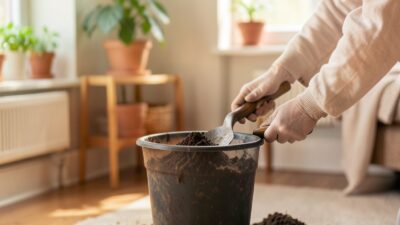
One of the most impactful steps you can take towards a truly zero-waste garden is embracing composting. Food scraps, yard waste—materials that too often end up in landfills—can be transformed into nutrient-rich “black gold” for your plants. Compost not only improves soil structure but also provides essential nutrients, effectively reducing or eliminating the need for synthetic fertilizers. This creates a closed-loop system where what would otherwise be discarded becomes a valuable resource, minimizing waste and maximizing efficiency.
Vermicomposting: Harnessing Earthworm Power for Nutrient-Rich Fertilizer
For those with limited space or seeking a quicker composting solution, vermicomposting is an excellent alternative. This method use earthworms to efficiently break down organic matter, producing nutrient-rich castings—often referred to as ‘worm tea’ – which serves as an exceptional fertilizer. Its compact nature makes it ideal for urban environments and apartments.
Waste Sorting: The First Step Towards Responsible Gardening
Effective waste sorting is a fundamental principle of zero-waste gardening. Beyond the broader practice of recycling, it involves consciously separating yard waste from general trash, allocating specific containers for composting or vermicomposting. This deliberate segregation not only diminishes landfill contributions but also enables you to efficiently manage your garden’s resources and tailor them for different needs.
Expanding Your Zero-Waste Toolkit: Rainwater Harvesting & Seed Saving
Beyond the core practices mentioned above, there’s a wealth of other sustainable techniques to explore. Consider rainwater harvesting systems to capture and reuse precious rainfall, minimizing reliance on municipal water sources. Embracing seed saving – collecting seeds from your most successful plants – allows you to perpetuate desirable traits and reduce dependence on external seed suppliers. Repurposing materials, transforming discarded items into unique planters or garden structures, further amplifies your positive environmental impact.
The beauty of zero-waste gardening lies in its continuous journey toward improvement—always refining practices for greater efficiency. The benefits extend far beyond simply reducing waste; it’s about cultivating a deeper connection to nature and contributing to a more sustainable future for all. As we move forward, let’s consider how these principles can integrate with our lifestyle.
Ultimately, creating a truly zero-waste garden is a continual learning experience, and the possibilities are as vast as your imagination. Looking back at this journey from simple ideas to practical application, what small change could you implement in your garden today to begin embracing a more sustainable approach?
Here’s where people sometimes get it wrong: Zero-waste gardening isn’t just about eliminating waste; it’s also about creating an ecosystem that thrives with minimal resources. This means finding the right balance between conservation and productivity, ensuring your garden remains a source of enjoyment without sacrificing sustainability. Remember, a beautiful garden is not solely measured by its appearance but also by its positive impact on the environment.
A Practical Checklist for Transitioning to Zero-Waste Gardening
- Audit your current garden: Evaluate the water consumption, waste production, and resource usage in your existing garden. Identify areas for improvement and develop a plan to address them.
- Embrace xeriscaping: Design your landscape with water conservation in mind, choosing drought-resistant native plants that require minimal irrigation and resources.
- Implement mulching: Use organic mulch to conserve water, suppress weeds, regulate soil temperature, and enrich the soil through decomposition.
- Promote biodiversity: Encourage beneficial insects and pollinators by incorporating native plants that provide food and habitats for these crucial creatures.
- Practice composting: Compost kitchen scraps, yard waste, and other organic materials to create nutrient-rich soil amendments while reducing landfill waste.
As we step into 2026, the call for sustainable practices becomes more urgent than ever. By embracing zero-waste gardening, you can create an outdoor space that is not only beautiful but also actively contributes to a healthier planet—one backyard at a time.
A Soft Question to Ponder
As you embark on this journey, take a moment to reflect: What changes can you make in your garden today that will contribute to a greener tomorrow?
Here’s where people often get this wrong: Zero-waste gardening is not just about eliminating waste but also about creating a cycle of regeneration. Composting, for instance, plays a important role in reusing organic waste from your kitchen and garden as nutrient-rich fertilizer for your plants. This practice not only reduces landfill waste but also enriches the soil, encouraging healthier plant growth.
A Practical Checklist for Sustainable Gardening
Transforming your garden into a sustainable oasis isn’t an overnight endeavor, but it doesn’t have to be daunting either. Start with these practical steps:
- Choose native plants: Integrate drought-resistant, water-wise native plants that flourish in your local climate.
- Embrace mulching: Cover soil with a thick layer of organic mulch to conserve water and improve soil health.
- Practice xeriscaping: Design landscapes that minimize the need for irrigation and create a drought-resistant garden.
- Compost your waste: Recycle kitchen and garden waste into nutrient-rich fertilizer for your plants.
As you embark on this journey, remember that each step taken towards zero-waste gardening brings us one step closer to a more sustainable future. So let’s cultivate not just beautiful gardens but also healthier ecosystems—one backyard at a time.
What small changes can you make in your garden to reduce waste and promote sustainability?