Written: July 21, 2026 · Updated: August 5, 2026
In the heart of the city, amidst concrete and towering buildings, a quiet revolution is taking root. Urban gardening has blossomed, and with it, a renewed focus on sustainability. Space may be limited, but our desire to reduce waste and nurture life persists. One powerful solution merging both aims? Home composting.
Composting isn’t just about reducing landfill waste; it’s about creating a closed-loop system where kitchen scraps and yard trimmings are transformed into nutrient-rich soil, fueling the growth of your plants. For urban gardeners who often face space constraints, creative solutions are key. Let’s explore 10 innovative methods to bring composting into even the smallest urban spaces.
Understanding the Fundamentals of Decomposition
Before diving into specific techniques, it’s helpful to understand the core principles of decomposition: Oxygen (aerobic vs. anaerobic), moisture levels, and a balance of ‘green’ (nitrogen-rich) and ‘brown’ (carbon-rich) materials. Maintaining this balance is crucial for efficient breakdown and avoiding unpleasant odors—too much green leads to a smelly mess, while too much brown slows the process down.
In-Vessel Composting: For Controlled & Efficient Decomposition
In-vessel composting use enclosed containers – think tumblers or specially designed bins – to create an ideal environment for decomposition. These systems often feature rotating drums, making mixing easier and accelerating the process. While larger in-vessel systems are common on farms, smaller, more manageable versions are available for urban homes and balconies. The advantage? Reduced odor and pest control compared to open piles; these sealed units really help manage the composting ecosystem.
Vermicomposting: Let Worms Do the Work!
Vermicomposting is arguably one of the most popular methods among urban gardeners. It use red wiggler worms (Eisenia fetida) to break down organic matter. These incredible creatures consume food scraps and produce nutrient-rich castings – a potent fertilizer often called ‘worm gold.’ A relatively compact system, vermicomposting bins can be kept indoors or on balconies. Setting up a worm bin requires some learning—managing moisture levels and avoiding overfeeding are key to happy worms (and good compost).
Bokashi Composting: Fermentation for Every Kind of Waste
Bokashi composting is unique. It’s an anaerobic (oxygen-free) fermentation process using inoculated bran to pickle food waste – including meat and dairy, which are usually avoided in traditional composting. The fermented material isn’t technically compost yet; it requires further decomposition either by burying or adding to a traditional compost pile. Bokashi excels at processing materials that would otherwise overwhelm other methods, making it ideal for households with diverse food scraps.
Traditional Composting: A Classic Approach, Urbanized
While often thought of as rural, traditional composting can be adapted for urban spaces. Layer ‘green’ waste like fruit and vegetable scraps with ‘brown’ materials such as dried leaves or shredded paper in a designated bin or pile. Consistent turning and moisture maintenance are key to a successful outcome. In urban environments where yard space is limited, consider sourcing brown material from local parks or community gardens.
Compost Toilets: A Holistic Waste Management Solution
Compost toilets represent an integrated approach, combining waste management with resource creation. These systems use microbes and natural decomposition to convert human waste into compost. While eco-friendly, they require careful maintenance and adherence to safety guidelines, making them a more involved undertaking – requiring proper ventilation and regular monitoring to ensure safe and hygienic operation.
Hügelkultur Beds: Building Soil in Urban Landscapes
Hügelkultur is a method where woody debris (logs, branches) are buried under soil, creating raised beds that retain moisture and slowly release nutrients as they decompose. It’s an excellent way to build fertile ground in urban gardens with poor initial soil quality, acting like slow-release fertilizer while improving drainage and requiring less watering. This technique also helps sequester carbon in your garden.
Electric Composters: Speeding Up Decomposition with Technology
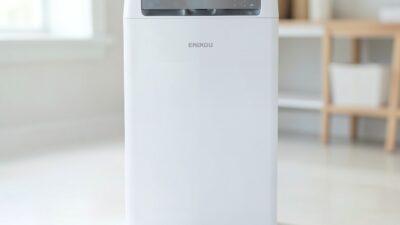
Electric composters use heat, aeration, and grinding to rapidly break down organic waste. While offering speed and convenience, these systems typically come with a higher price tag and require electricity. They are ideal for those who want finished compost quickly – perfect if you have limited time or need a small volume of compost consistently.
Pit Composting: The Simplest Method (When Space Allows)
A pit compost system involves digging a hole in the ground and layering organic waste within it. It’s exceptionally simple but requires space and can be susceptible to pests. Lining the pit with hardware cloth can help deter unwanted visitors, effectively protecting your valuable composting material from rodents and insects.
Mushroom Substrate Composting: A Productive Partnership!
Certain mushroom varieties thrive on composted materials like coffee grounds and straw. This method combines waste reduction with a delicious harvest – the mushrooms consume the decomposing matter and offer a nutrient-rich crop for your table. It’s a truly symbiotic relationship that adds another layer of productivity to your urban gardening efforts.
As you explore these diverse methods, remember that composting isn’t an all-or-nothing endeavor. Combining techniques or modifying them to suit your specific circumstances is encouraged. Every contribution towards reducing waste is a step towards a more sustainable urban existence. It’s about embracing the cycle of life and nurturing a connection with the natural world—even amidst concrete and steel. Which method are you most excited to try, and what unique challenges do you anticipate facing in your composting journey?
Unleashing the Urban Potential: A Practical Checklist for Home Composting
Maximizing Your Space for Sustainable Growth
With urban gardening on the rise, home composting has become a cornerstone for urban sustainability. Here’s where many people get it wrong—they think limited space means compromising on the quality of their compost. We say otherwise. Let’s look into 3 additional innovative methods that can help you make the most out of your urban composting journey:
Trench Composting: Efficiency in Depth
Trench composting is an ingenious solution for small yard spaces. Dig a trench, layer green and brown materials, and let nature take its course. The depth (1-3 feet) allows for better temperature control and aeration—ensuring efficient decomposition and reduced odors. It’s the perfect option if you have a small patch of yard but still want to reap the benefits of composting.
Worm Farming: Take Urban Composting Underground
If space is truly limited, take your composting underground! Worm farming involves using vertical spaces such as old aquariums or plastic storage containers filled with soil, bedding, and worms to create a miniature ecosystem for composting. The compact design makes it ideal for urban balconies or even apartments. Just remember to feed your worms regularly, maintain appropriate moisture levels, and provide adequate drainage to keep the system thriving.
Liquid Gold: Extracting Nutrients from Your Compost
One often overlooked aspect of composting is utilizing the nutrient-rich liquid that drains from your compost pile or bin—also known as compost tea. This liquid gold can be used to nourish plants directly or diluted for broader application. To make it, simply place a perforated container underneath your compost system and collect the runoff. Strain out any solids, dilute with water, and voila! You’ve got an easy-to-apply liquid fertilizer that’s rich in beneficial microorganisms.
Closing Thoughts: Embrace Your Urban Composting Journey
Whether you choose to trench compost, worm farm, or brew your own compost tea, remember that every bit of waste you divert from landfills contributes to a more sustainable future. By adopting innovative home composting methods, urban gardeners can join the global movement toward zero-waste living and create thriving, nutrient-rich soil for their plants—right in the heart of the city. So, what’s stopping you from taking your first step on this exciting journey?