Written: July 26, 2026 · Updated: August 4, 2026
Creating Stylish Eco-Friendly DIY Home Decor Using Recycled Materials: A Practical Guide
Are you looking for a way to refresh your home décor while reducing waste? You’re in the right place! In this article, we’ll guide you through several eco-friendly DIY projects that use recycled materials. From repurposing old clothing to crafting unique lamps from books, these projects are not only stylish but also kind to the environment.
Why Embrace Eco-Friendly Decor?
Beyond aesthetics, choosing recycled and repurposed materials for your home décor offers significant environmental benefits. It reduces landfill waste, minimizes the demand for new resources, and lowers your carbon footprint. The impact extends beyond individual actions; it encourages sustainable practices within the broader economy. Plus, DIY projects offer a unique opportunity to express your creativity and add personalized touches to your space – a far cry from generic store-bought items. It’s about building a home that reflects your values.
Repurpose Old Clothing into Cozy Home Accents
Having a pile of old clothes you’re not ready to part with? Don’t toss them! Turn those forgotten fabrics into beautiful cushion covers, charming curtains, or even a rustic rug. The possibilities are truly endless and add character to any room. T-shirts can be sewn into patchwork cushions for a playful vibe, while denim jeans can be transformed into durable table runners capable of withstanding daily use. Be mindful of fabric quality – thinner materials might require multiple layers for durability and longevity.
Craft Unique Wall Art from Reclaimed Wood and More
Add character and visual interest to your walls with DIY art using recycled materials. Old pallets or reclaimed wood are fantastic canvases for creating rustic signs or unique artwork that becomes a conversation starter. Print images directly onto the wood, use stencils to add designs, or even incorporate found objects for texture. Even old vinyl records can be repurposed into eye-catching wall hangings! Just ensure that any adhesives used are also eco-friendly; look for water-based options.
Sustainable Celebrations: Eco-Friendly Party Decorations
Planning a party? Extend your commitment to sustainability by crafting eco-friendly decorations. use paper, cardboard, or fabric scraps to create garlands, banners, and table centerpieces – instantly elevating the atmosphere with handcrafted charm. These homemade decorations not only reduce waste but also add a personal touch to any celebration. Consider seed paper confetti for an extra touch of earth-friendliness that guests can plant after the event – it’s a memorable take away.
Surprisingly Stylish: Utilizing Recycled Pizza Boxes
You might be surprised to learn about innovative uses for discarded pizza boxes! While many are unfortunately not recyclable due to grease contamination, there’s a growing trend towards FSC-certified and post-consumer recycled fiber options. Seek out these eco-friendly alternatives when ordering takeout or delivery – it’s a small change that contributes to reducing deforestation and the demand on our forests. Get informed about your local recycling guidelines.
Natural Hues: Environmentally Friendly Dyes for Fabric Projects
When embarking on fabric-based DIY projects, opt for natural and environmentally friendly dyes. Derived from plants like berries, onion skins, or avocado pits, these alternatives minimize chemical exposure and create beautiful, earthy tones. While achieving consistent color saturation might require some experimentation – embracing the unpredictable beauty of nature is part of the fun! – the benefits to your health and the environment are worth it.
Add Winter Magic with Eco-Friendly Fake Snow
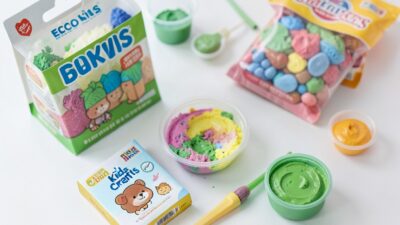
Create a cozy winter wonderland indoors using eco-friendly fake snow! Many options are made from recycled paper pulp or food-grade ingredients, offering a safe and sustainable alternative. This provides the visual appeal of a snowy scene without contributing to plastic waste. While the texture might differ slightly from traditional artificial snow, it’s a worthwhile compromise for an environmentally conscious holiday season – spreading cheer responsibly.
Beyond Function: Transforming Old Books into Decor Items
Calling all book lovers! Give your old books a new purpose by transforming them into unique lamps that cast warm light, coasters to protect surfaces, or decorative shelves adding vintage charm. A stack of vintage books can create a charming display, while individual pages can be used to decoupage furniture for an antique look. Just be sure to handle the pages with care and consider using eco-friendly sealants to protect them – preserving their beauty for years to come.
Nature’s Bounty: Crafting Wreaths from Recycled Materials
Embrace natural beauty by crafting wreaths from recycled materials like twigs, dried flowers, pinecones, or even repurposed jewelry – a sustainable alternative to store-bought decorations. These organic elements add warmth and texture to your home décor, creating an inviting atmosphere. Remember that wreaths made from fragile natural materials might not last as long as traditional versions but their unique aesthetic is well worth it – connecting you with the beauty of nature.
And there you have it — a collection of eco-friendly DIY home decor projects that use recycled materials. By giving new life to old items, you’ll not only revamp your space but also help protect our planet. So, what are you waiting for? Get crafting! Now that you’ve seen some ideas, which project sparks the most interest and feels like a manageable first step for your eco-friendly home decor journey?
Deepening the Practical Guide: Exploring Tradeoffs and Best Practices
Why look Deeper into DIY Eco-Friendly Decor? (#sub-section)
While we’ve established the benefits of eco-friendly DIY projects, it’s essential to consider potential trade-offs. For instance, some repurposed materials may require more time and effort compared to their store-bought counterparts. Additionally, sourcing sustainable materials can sometimes be challenging, especially if you live in an area with limited resources or access to eco-friendly stores. However, the rewards—in terms of reduced environmental impact and personal fulfillment—more than justify these challenges.
Navigating Tradeoffs: A Practical Checklist (#sub-section)
To make the most out of your DIY projects, consider the following checklist when selecting materials:
1. Source Locally: Support local businesses that prioritize sustainability and carry eco-friendly materials. 2. Choose Quality Over Quantity: Opt for high-quality materials that will last longer, minimizing waste in the long run. 3. Consider Time and Effort: Be realistic about your time commitments and choose projects that align with your availability. 4. Learn from Experts: Follow tutorials by eco-conscious creators who can provide guidance on sourcing materials, techniques, and best practices for DIY eco-friendly decor. 5. Upcycle Creatively: use unique and unexpected items like pizza boxes or old records to create standout pieces that spark conversation and inspire others.
Here’s Where People Get This Wrong (#sub-section)
One common mistake people make when embracing eco-friendly DIY projects is assuming that all materials marketed as “eco-friendly” are truly sustainable. It’s crucial to investigate the origin and production process of your materials to ensure they align with your values and contribute to a greener planet. Don’t be afraid to ask questions or do research on brands and products before making a purchase.
A Stronger Closing Section (#closing)
As you embark on your DIY eco-friendly decor journey, remember that every small change can make a difference. Whether you’re repurposing old clothing, crafting unique wall art, or reusing pizza boxes, your creations not only refresh your home but also promote sustainable practices and inspire others to do the same. So, get creative, have fun, and build a home that reflects your values – one eco-friendly project at a time!
Callback: Embrace the challenge of sourcing and repurposing materials, and let your personal style shine while making a positive impact on the environment.
Soft Question: Have you found any innovative ways to create eco-friendly DIY home decor? Share your tips and ideas with our community!