Written: June 27, 2026 · Updated: August 9, 2026
Reduce, Reuse, and Craft: Your Upcycling Guide for 2026
The shift towards sustainability has ignited a global passion for eco-friendly practices, and upcycling has emerged as both a trendy and necessary response. In this guide, we’ll explore the art of crafting beautiful and functional decor from recycled materials—becoming part of the slow fashion movement that champions local artists, preserves traditional skills, and actively reduces waste.
Why Upcycle? The Growing Importance of Sustainable Decor
The 2020s marked a turning point in design consciousness, with innovative structures like Sou Fujimoto’s Grand Ring showcasing the potential of eco-friendly aesthetics. However, today’s focus is on individual action through DIY craft projects that have incredible impact and provide great reward. Val and Brian Stewart, featured on “The Living Room” TV series, brilliantly transform discarded materials into stunning decorative items – a testament to the power of upcycling. More than just a hobby, it’s a conscious choice for a healthier planet; a way to make tangible differences.
The Slow Fashion Movement: Beyond Ethical Clothing Choices
The term ‘slow fashion’ initially referred to ethical and sustainable clothing practices but has expanded significantly. It now embodies a broader appreciation for quality, craftsmanship, and responsible consumption across all areas of life—including home decor. By choosing upcycling, you’re actively supporting local artisans who prioritize eco-friendly materials and traditional techniques. Consider transforming old clothes into vibrant cushions or repurposing furniture to create unique statement pieces – reducing waste while championing creativity and local talent; it’s a lifestyle choice that resonates with mindful living.
From Trash to Treasure: Unleashing Creativity Through Material Transformation
Upcycling isn’t just about being environmentally conscious; it’s a fantastic outlet for creativity. The core principle—transforming what others consider ‘trash’ into something valuable – is incredibly satisfying. Each upcycled item carries a unique story and personality, making your home décor truly one-of-a-kind. It embodies the idea of turning “litter into glitter” through resourceful ingenuity; celebrating imperfections and embracing stories embedded within discarded materials.
Simple Steps to Get Started with Your First Upcycling Project
Ready to begin your upcycling journey? Here’s a practical guide for successful projects:
1. Source Sustainable Materials: Start by scouting local thrift stores, salvage yards, online marketplaces, and even your own home for materials ripe for transformation. Reclaimed wood, fabric scraps, recycled glass jars – the possibilities are truly endless. 2. Research & Inspiration: Dive into online tutorials (YouTube is a goldmine!), DIY blogs, and Pinterest boards to discover inspiring projects and learn essential techniques. Don’t be afraid to experiment with styles and approaches! 3. Plan Your Project: Consider what you want to create and how your materials can be best use. Sketch out ideas, plan for construction, and refine concepts. 4. Prioritize Safety: Not all discarded items are safe for upcycling. Ensure that any reclaimed materials are free from harmful chemicals or toxins, particularly if they’ll be in contact with food or children. Thorough cleaning is key – vinegar solutions and gentle soaps work wonders! 5. Embrace Imperfection: Upcycled pieces have character! Don’t strive for absolute perfection; appreciate the unique imperfections and quirks that give each item its charm. 6. Share Your Creations & Learn from Others: Join online communities and share your upcycling journey – inspire others to embrace sustainability, while also getting inspiration and new ideas!
Avoiding Common Upcycling Project Pitfalls
While incredibly rewarding, upcycling isn’t without its challenges. One common mistake is not assessing the suitability of materials before beginning a project. For example, old electronics may contain hazardous substances, while paints might release harmful fumes. Always research your materials thoroughly and prioritize safety by opting for non-toxic alternatives; knowing your materials will save you time and trouble.
Beyond Decoration: The Environmental & Societal Impact of Upcycling
Upcycling extends far beyond aesthetics – it’s an active contribution to a more sustainable lifestyle. It reduces landfill waste, conserves precious resources, and support creativity in communities. Embracing this practice aligns you with the slow fashion movement’s core values—prioritizing quality over quantity and supporting ethical production; demonstrating your commitment to responsible consumption.
Inspiring Upcycling Project Ideas for a Stylish Home
Here are just a few creative project ideas to get those gears turning:
- Wine Bottle Chandeliers: Transform empty wine bottles into elegant light fixtures.
- Pallet Furniture: Create rustic benches, tables, or headboards from reclaimed wooden pallets.
- Fabric Scrap Quilts & Pillows: use fabric remnants to create cozy and colorful textiles.
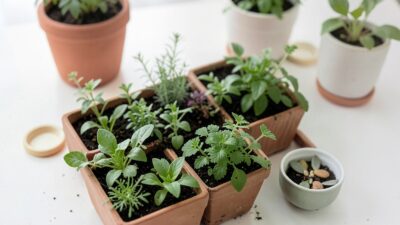
- Tin Can Planters: Give old tin cans a second life as charming planters for herbs or flowers. These are perfect for small apartment spaces.
- Ladder Shelves: Repurpose an old ladder into a unique shelving unit for books, plants, or decorative objects.
Join the Upcycling Revolution and Create Your Sustainable Sanctuary
By embracing upcycling projects, you are not only adding charm and character to your living space but also championing a movement towards sustainability and creativity. It’s about giving new life to discarded items, reducing waste, and expressing your unique style while making a positive impact on our planet. Remember the opening sentiment – it’s about breathing fresh purpose into what might otherwise be lost. So, what one small item in your home could be given a beautiful second chance through upcycling?
The Magic of DIY Decor: Enhancing Your Space with Upcycled Treasures
Eco-Friendly Transformations: Breaking Down the Barriers of DIY Crafting
When it comes to upcycling, many are intimidated by the perceived complexity. However, this art form is more accessible than you might think. With a few basic tools and a dash of creativity, anyone can breathe new life into discarded materials. Take, for example, the Stewart siblings, Val and Brian, who have mastered the art of turning trash into treasure on their popular TV series, “The Living Room.” Their work serves as an inspiration to us all, demonstrating that upcycling is not only a rewarding hobby but also a powerful tool for environmental conservation.
Sustainable Craftsmanship: The Future of Design in the 2026 Eco-Conscious Landscape
The slow fashion movement has evolved beyond ethical clothing choices, embracing a holistic approach to responsible consumption. By choosing upcycling, you’re not only reducing waste but also supporting local artisans who prioritize traditional techniques and eco-friendly materials. Transforming old clothes into vibrant cushions or repurposing furniture to create unique statement pieces is more than just a DIY project; it’s a statement of support for mindful living.
Crafting Connections: The Personal Touch in Upcycled Décor
Upcycling is about more than just transforming materials—it’s about creating connections. Each upcycled item carries a unique story, imbued with the energy and intentions of its creators. By choosing to embrace this form of craftsmanship, you’re not only contributing to environmental conservation but also forging bonds with fellow upcyclers and local artisans.
A Practical Guide: Embracing Your Inner Upcycler
Ready to embark on your eco-friendly DIY journey? Here’s a checklist to guide you through successful projects:
1. Source materials thoughtfully: Look for discarded items at local thrift stores, salvage yards, or online marketplaces. Remember that even your own home can yield hidden treasures. 2. Learn and adapt: Explore tutorials, DIY blogs, Pinterest boards, and YouTube videos to discover new techniques and refine your skills. Don’t shy away from experimentation! 3. Plan wisely: Take time to consider what you want to create and how best to use your materials. Sketch out ideas, plan for construction, and refine concepts. 4. Prioritize safety: Ensure that any reclaimed materials are free from harmful chemicals or toxins before use, particularly if they’ll be in contact with food or drink. 5. Embrace imperfections: Remember that upcycling is about celebrating the unique stories within discarded materials and imperfections add character to your creations. 6. Share your journey: Engage with fellow upcyclers online or attend local workshops to share ideas, tips, and learn from one another’s experiences. 7. Showcase your creations: Pride yourself on your eco-friendly achievements by displaying your upcycled projects around your home. Not only will they serve as reminders of your environmental impact, but they’ll also add a personal touch to your space.
A Sustainable Future Begins at Home
As we venture into 2026 and beyond, the need for eco-friendly practices becomes more urgent than ever. By embracing upcycling, we can make tangible differences in the fight against climate change while also nurturing our creative spirits. So, gather your materials, roll up your sleeves, and embark on this rewarding journey towards a more sustainable future—one upcycled item at a time.
Now, it’s your turn! Share your own upcycling projects with the world and inspire others to join the movement. Together, we can make a difference for our planet one treasure at a time.
Closing Section:
Empowering Creativity and Community
The world of upcycling is vast and full of potential, offering limitless possibilities for innovative design and sustainable living. By joining the global community of upcyclers, you’re not only contributing to the preservation of our planet but also support a supportive network of creative minds eager to share their knowledge and passion.
Engage with fellow enthusiasts online or attend local workshops to learn from one another’s experiences and discover new techniques that can elevate your upcycling game. The more we collaborate, the stronger our collective impact will be in promoting eco-friendly practices and inspiring others to join the movement.
As you embark on this rewarding journey towards a more sustainable future, remember to share your creations with the world. By proudly showcasing your upcycled projects around your home, you’ll not only serve as a shining example of environmental responsibility but also add a unique and personal touch to your living space.
In a world where the demand for eco-friendly practices continues to grow, upcycling offers an opportunity to take charge of our own impact on the environment. So, gather your materials, roll up your sleeves, and prepare to make a difference—one treasure at a time.
Together, we can create a brighter, greener future for generations to come. What upcycled projects will you bring to life in 2026?