Written: June 28, 2026 · Updated: August 9, 2026
Creating a Smart Herb Garden with DIY IoT Technology
Welcome to the future of gardening! Ever wondered if you could grow fresh herbs effortlessly, even when juggling a hectic schedule? The answer lies in embracing DIY Internet of Things (IoT) technology. A smart herb garden isn’t just about convenience; it’s about optimizing growth conditions and ensuring a bountiful harvest with minimal effort. Let’s explore how to build your own.
Why Automate Your Herb Garden?
Traditional gardening, while rewarding, can be surprisingly demanding. It requires constant attention – checking soil moisture, monitoring sunlight exposure, adjusting for temperature changes, and more. Smart herb gardens alleviate this burden by automating many of these tasks, freeing up your time while simultaneously creating the ideal conditions for thriving herbs. They’re particularly valuable for those with limited space, fluctuating schedules, or a history of gardening challenges.
Choosing Herbs That Thrive with Automation
While almost any herb can benefit from smart gardening techniques, some varieties respond exceptionally well to automated systems. The key is selecting plants that have specific and consistent environmental needs – conditions where precision control truly shines. Surinamese Blush Lily (Strobilanthes tonkinensis), a plant known for its demanding requirements, exemplifies this; automation offers the perfect solution for meeting those needs. Herbs like basil, mint (known to be invasive if not contained!), rosemary, chives, and oregano also benefit significantly from automated moisture control and optimized light exposure.
The Essential Components of Your Smart Herb Garden
The heart of your smart herb garden is its sensor network. These small but powerful devices continuously monitor crucial factors that directly impact plant health:
- Soil Moisture: Prevents overwatering or underwatering, which are critical for healthy root development and preventing fungal diseases.
- Temperature: Ensures optimal growing conditions year-round, protecting plants from extreme heat or cold.
- Light Levels: Provides data to supplement natural light with grow lights when needed, especially during shorter daylight hours.
- Humidity: Important for certain herbs that thrive in a more humid environment and helps prevent drying out.
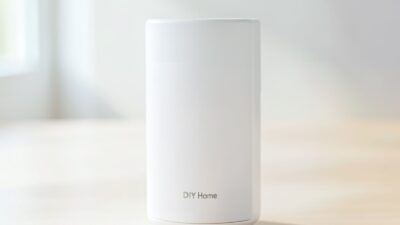
The collected data is then wirelessly transmitted (often via Wi-Fi or Bluetooth) to a central hub where it’s analyzed. Smart alerts are sent to your smartphone or computer, providing real-time updates and early warnings about potential issues – like low soil moisture or unusually high temperatures.
Customizing Your System for Individual Herb Needs
One of the most appealing aspects of a DIY smart herb garden is its flexibility. Unlike pre-packaged systems with fixed settings, you have complete control to tailor your system to each plant’s unique needs. Rosemary, for example, prefers drier conditions than basil. With adjustable sensors and automated watering schedules, you can create microclimates within your garden – optimizing conditions for each herb’s specific requirements.
Sustainable Gardening: Water Conservation at Its Core
Smart gardening isn’t just about convenience; it’s also a responsible approach to resource management. IoT-enabled irrigation systems deliver water only when and where it’s needed, significantly reducing water waste and minimizing your environmental impact. This precision watering further mitigates issues like root rot – a common problem resulting from overwatering.
Harnessing the Power of LED Grow Lights for Year-Round Growth
Sunlight is undeniably essential for photosynthesis, but consistent sunlight can be difficult to guarantee. Integrating energy-efficient LED grow lights ensures plants receive adequate light exposure regardless of the season or location. These lights can be automatically controlled based on sensor data—delivering the precise amount of light needed at all times.
Remote Monitoring and Control: Your Garden, Anywhere in the World
Imagine checking on your herb garden while you’re traveling! Many IoT systems provide mobile apps that allow for remote monitoring and control. You can view real-time data from anywhere, adjust settings to respond to changing conditions, or even trigger actions like initiating a watering cycle – all from the convenience of your smartphone.
Automated Irrigation: Achieving Precision Watering Schedules
Automated irrigation removes the guesswork from watering. Using sensor readings and plant-specific water requirements, a smart system delivers precise amounts of water at scheduled intervals, promoting consistently healthy growth and significantly reducing common gardening errors.
Increased Yields & Reduced Stress – Enjoying the Rewards of Smart Gardening
The culmination of optimized conditions, automated tasks, and real-time monitoring translates to increased yields and healthier plants. You’ll spend less time worrying about your herb garden and more time savoring fresh herbs from your own harvest. Perhaps even better, you’re significantly reducing the likelihood of common gardening mistakes that can damage or even destroy plants.
Embrace the Future of Gardening Today
Building a DIY smart herb garden is an accessible project for both beginners and experienced gardeners. It blends practical skills with exciting technology, offering a more rewarding and sustainable gardening experience. Are you ready to elevate your gardening game? What’s one specific herb you’re most excited to try growing in your new smart system?
The Rewards of a Smart Herb Garden: Balancing Cost and Convenience
Embracing the smart herb garden revolution is about more than just convenience; it’s also an opportunity to promote sustainable gardening practices. By automating essential tasks, you can significantly reduce water consumption – a critical step towards water conservation in our increasingly resource-challenged world. However, it’s essential to understand that while smart technology provides many benefits, it does come with costs associated with setup and initial components.
Navigating the DIY IoT Market: Making Informed Choices
The DIY IoT market offers a plethora of options for creating your smart herb garden, but it’s crucial to make informed decisions when choosing sensors, controllers, and related accessories. To help you navigate this exciting landscape, consider these key factors:
1. Compatibility: Ensure that the components you choose can work seamlessly together, eliminating any potential integration issues. 2. Scalability: As your herb garden expands, so should your smart technology – opt for systems that allow for easy addition of new sensors and plants as needed. 3. Ease of Use: Select tools with user-friendly interfaces to simplify the setup and maintenance process, making it more enjoyable and accessible. 4. Customizability: Choose devices that offer flexibility in configuring settings based on individual herb needs, such as adjustable watering schedules or customizable grow light timers. 5. Durability: Invest in solid components that can withstand various environmental conditions and provide long-term reliability for your smart herb garden. 6. Energy Efficiency: Prioritize energy-saving features to minimize the operational costs of your smart herb garden and contribute to a greener footprint. 7. Cost: Finally, consider the overall cost of the components you choose, balancing upfront expenses against potential long-term savings in water, time, and effort.
A Final Word: Embrace the Future of Gardening Today!
Building your own smart herb garden using DIY IoT technology is an exciting venture that not only transforms traditional gardening but also support sustainable practices and nurtures a deeper connection with nature. As you embark on this journey, remember to approach it with patience, persistence, and a willingness to learn – for the rewards are well worth the effort!
Now that you’ve explored the benefits of smart herb gardening and understand what components make up this innovative system, are you ready to take the plunge and create your very own automated oasis? Happy growing!
One of the most significant benefits of a smart herb garden is water conservation. By monitoring soil moisture levels and automating watering schedules, you can save up to 70% of the water typically used in traditional gardening methods. This not only reduces your environmental footprint but also saves money on water bills!
Here’s Where People Get This Wrong:
A common misconception about smart herb gardens is that they’re overly complex or expensive. While there are high-end options available, it’s possible to create a functional DIY system with affordable components and a bit of know-how. By focusing on essential features like soil moisture sensors, temperature probes, and a Wi-Fi gateway, you can build an efficient and cost-effective smart herb garden.
A Practical Checklist for Building Your Smart Herb Garden
- Research and select compatible sensors (soil moisture, temperature, light levels, humidity) that match your needs.
- Choose a Wi-Fi or Bluetooth gateway to wirelessly transmit data from the sensors to your smartphone or computer.
- Assemble your system following the manufacturer’s instructions and connect each component.
- Set up your system’s app, which allows you to monitor plant health, adjust settings, and receive customized alerts.
Remember, the key to a successful smart herb garden is ongoing maintenance and fine-tuning. Regularly check on your plants, tweak sensor readings, and adjust watering schedules based on their unique needs.
Closing Thoughts
Building a smart herb garden not only saves time and resources but also support a deeper appreciation for the art of cultivation. By learning to work with technology, you’ll create an environment that encourages bountiful harvests year-round – without breaking a sweat! So, are you ready to embrace the future of gardening?
Now, what other smart gardening projects would you like to tackle next? Let us know in the comments below!