Written: July 28, 2026 · Updated: August 3, 2026
Embracing the Future: Energy-Efficient Smart Homes with Solar Power Integration
The push for sustainability is reshaping our lifestyles, and residential living is undergoing a significant transformation. The concept of energy-efficient smart homes powered by solar power integration isn’t just a futuristic ideal anymore; it’s becoming increasingly accessible and practical. Combining cutting-edge technology with renewable resources allows homeowners to drastically reduce their environmental impact while simultaneously lowering utility bills. This article will guide you through the essentials of this exciting intersection, exploring the technology, benefits, and considerations involved in creating your own solar-powered smart home.
Understanding Solar Technology: More Than Just Panels
The foundation of any solar-powered home is, of course, solar panels. But it’s important to understand that ‘solar panel’ isn’t a singular term; different types exist with varying efficiencies and costs. Let’s explore some key distinctions.
Types of Solar Cells: Efficiency vs. Cost
Here’s a breakdown of common solar cell types:
- Monocrystalline Silicon: These are generally the most efficient (reaching upwards of 20-22%), easily recognized by their uniform dark appearance. However, this high efficiency comes at a premium price due to the complex manufacturing process.
- Polycrystalline Silicon: A more affordable option, polycrystalline cells have a distinctive speckled or mosaic look. While they are slightly less efficient than monocrystalline (typically 15-17%), the cost savings often outweigh the small difference for many homeowners.
- Thin Film Solar Cells: Made from materials like amorphous silicon or cadmium telluride, thin film panels offer flexibility and can be integrated into unconventional surfaces. They’re generally the least efficient (around 10-13%) but are often the most cost-effective per watt produced. Emerging technologies within this category continue to improve efficiency.
The Photovoltaic Effect: How Solar Cells Generate Electricity
At its core, solar energy conversion relies on a fascinating phenomenon known as the photovoltaic effect. Sunlight consists of photons – tiny packets of energy. When these photons strike certain materials like silicon, they knock electrons loose, creating an electric current. This process happens within the semiconductor layers of a solar cell, generating direct current (DC) electricity.
Concentrated Solar Power: A Different Approach to Harnessing the Sun’s Energy
While rooftop solar panels are common for residential use, concentrated solar power (CSP) presents another avenue for large-scale energy generation. CSP systems use mirrors or lenses to focus sunlight onto a receiver, which heats a working fluid like oil or water. This heated fluid is then used to produce steam and drive a turbine connected to a generator, producing electricity.
Smart Home Integration: Optimizing Energy Consumption
The true potential of solar power shines when combined with smart home technology. A smart energy management system acts as the brain of your operation, analyzing energy consumption patterns, predicting future needs, and adjusting appliances accordingly. This allows for proactive adjustments to reduce waste and maximize efficiency.
Benefits of a Smart Energy Management System:
A well-designed smart energy system provides several key advantages:
- Automated Appliance Control: Schedules for lights, thermostats, and even electric vehicle charging can be optimized based on solar production, ensuring maximum use of self-generated power.
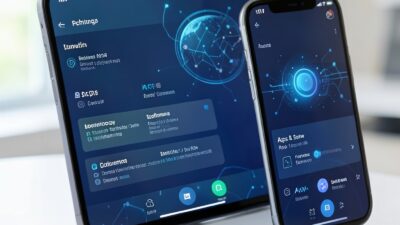
- Real-Time Monitoring: Track energy generation, consumption, and savings via an intuitive dashboard, giving you a clear understanding of your home’s performance.
- Peak Shaving: Reduce reliance on the grid during peak hours by strategically shifting energy usage when solar power is abundant, lowering costs and supporting grid stability.
- Battery Storage Integration: Modern smart home systems often integrate seamlessly with battery storage solutions allowing excess generated solar to be stored for nighttime or cloudy day use, further enhancing self-sufficiency.
Factors Affecting Solar Panel Efficiency: Beyond Sunlight
While latitude influences sunlight intensity, several other factors impact a solar panel’s efficiency. Understanding these can help maximize your system’s output:
- Temperature: Contrary to intuition, higher temperatures decrease the efficiency of most solar panels. Proper ventilation and shading can help mitigate this effect.
- Panel Orientation & Tilt Angle: The angle at which your panels face the sun significantly influences energy capture. Optimal angles vary based on your location and time of year – consulting a professional for accurate assessment is recommended.
- Shading: Even partial shading can dramatically reduce a panel’s output, making careful site assessment critical. Strategically trimming trees or relocating panels might be necessary.
Designing Your Energy-Efficient Solar Smart Home
Beyond the technology itself, thoughtful design choices contribute significantly to energy efficiency and reduced reliance on external power sources:
- Passive Solar Design: Orienting your home to maximize sunlight exposure in winter and minimize it in summer can greatly reduce heating and cooling needs. This involves considering window placement and overhangs.
- Energy-Efficient Appliances: Investing in Energy Star certified appliances reduces overall electricity demand, allowing your solar panels to cover a larger portion of your energy needs.
- Insulation & Air Sealing: Minimizing heat loss through proper insulation and sealing prevents wasted energy from both heating and cooling systems – critical for maximizing efficiency, especially in extreme climates.
The Future of Solar Integration: Emerging Trends
The field of solar technology is constantly evolving, with new innovations promising even greater performance and cost reductions. Perovskite solar cells, for example, show promising potential for higher efficiencies than current silicon-based technology. Building-integrated photovoltaics (BIPV) allows solar panels to be seamlessly incorporated into building materials like roofing tiles and windows, transforming the aesthetics of sustainable design. advancements in battery storage are making energy independence more attainable than ever before.
Embracing a future powered by the sun is more than just an investment; it’s a commitment to a sustainable lifestyle and reduced operating costs. As technology continues to advance, creating an energy-efficient smart home with solar power integration will only become easier and more rewarding. Considering the significant long-term benefits, what specific aspect of integrating solar into your home are you most curious about exploring further?
Making the Most of Solar Power: Smart Home Integration
Incorporating renewable energy sources into residential living is about more than just reducing utility bills; it’s also about optimizing energy use. The true potential of solar power can be fully realized when combined with smart home technology. A smart energy management system serves as the brain of your operation, analyzing energy consumption patterns, predicting future needs, and adjusting appliance usage to align with solar production.
Here’s where people often get it wrong: They assume that going solar automatically equates to a fully optimized energy system. However, integrating smart home technology is crucial for achieving maximum efficiency and cost savings.
Practical Checklist for Solar-Powered Smart Home Integration
1. Assess your energy consumption: Understand your household’s energy usage habits to determine the ideal solar panel size and battery storage capacity needed.
2. Install smart appliances: Equip your home with energy-efficient appliances that can be controlled remotely, such as smart thermostats, energy monitors, and LED light bulbs.
3. Implement demand response programs: Many utility companies offer demand response programs that encourage customers to reduce their energy consumption during peak hours, earning them credits or incentives.
4. use time-of-use rate plans: These plans charge different rates for electricity depending on the time of day, encouraging users to shift their energy consumption to off-peak hours when solar production is likely higher.
5. Invest in battery storage: Battery storage systems allow you to store excess solar power for use during times when your panels aren’t producing as much energy, like at night or on cloudy days.
6. Monitor and adjust: Regularly review your energy usage patterns and make adjustments as needed to ensure your smart home system is operating at maximum efficiency.
Embracing the Future, One Smart Solar Home at a Time
As we move towards a more sustainable future, embracing solar-powered smart homes represents an exciting step forward. By understanding the technologies involved, the benefits they offer, and the considerations necessary for integration, homeowners can take control of their energy consumption while reducing their environmental impact. Are you ready to join this revolution? Start exploring your options today and start towards a more energy-efficient tomorrow.