A Smarter Home for Savvier Wallets
A warmer climate, rising utility costs – it’s a familiar worry for homeowners. But looking ahead to 2026, a new paradigm emerges: the smart home, powered by energy-efficient devices that promise not just convenience but also significant savings on household bills. This isn’t merely about adopting technology; it’s about embracing a more sustainable and financially responsible lifestyle.
The Rise of the Connected Home in 2026
The concept of smart homes is no longer a futuristic fantasy. By 2026, they’ll be increasingly mainstream, driven by advancements in technology and growing consumer awareness of energy consumption. Falling prices for devices, coupled with increasing environmental concerns and fluctuating electricity costs, are accelerating this adoption. We’re entering an era where homeowners aren’t just consumers of energy; they’re active managers, informed about their usage and empowered to optimize it.
Smart Thermostats: Precision Climate Control & Savings
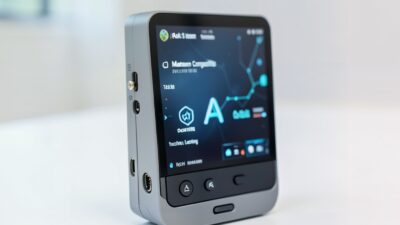
The smart thermostat has become a cornerstone of the efficient home. Unlike traditional thermostats that operate on simple schedules or manual adjustments, these devices learn your patterns – when you’re typically home, what temperatures you prefer at different times of day – and automatically adjust heating and cooling accordingly. Advanced features like geofencing (adjusting temperature based on your location) and weather forecasting integration take the savings even further. While initial investment is necessary, the long-term energy reduction often results in a return within a few years.
Smart Meters: Unveiling Your Energy Footprint
A crucial component of an efficient smart home is the smart meter. These devices replace traditional analog meters and provide homeowners with granular data on their energy usage—often accessible through mobile apps or online dashboards. This real-time visibility empowers users to identify areas where they’re overconsuming, enabling targeted efforts to reduce waste. Knowing that you’re using an unexpected surge of electricity simply because a device is left running can be surprisingly motivating.
The Financial Math: How Much Can You Really Save?
While individual results vary based on location, energy rates, home size, and usage habits, the potential savings from smart home devices are substantial. Studies predict that households equipped with smart thermostats could see reductions in heating and cooling costs ranging from 10% to 20%. Smart meters further amplify these savings by support conscious consumption patterns. many utility companies offer rebates or incentives for adopting energy-efficient technologies, effectively reducing the upfront investment.
Renewable Energy Integration: Maximizing Sustainability & Cost Reduction
The synergy between smart home technology and renewable energy sources offers unparalleled opportunities for cost savings and environmental impact. Pairing solar panels with a smart energy management system allows homeowners to optimize self-consumption of generated electricity, minimizing reliance on the grid and reducing their carbon footprint even further. The rising popularity of electric vehicles (EVs) combined with smart charging systems – which schedule charging during off-peak hours when rates are lower– compounds these benefits.
Beyond Savings: Environmental & Lifestyle Benefits
The movement towards energy-efficient smart homes extends beyond the financial aspect; it’s driven by a growing awareness of environmental responsibility. By reducing energy consumption, homeowners contribute to lowering greenhouse gas emissions and minimizing their impact on climate change. This also aligns with a shift in lifestyle preferences – many consumers prioritize sustainable living and are willing to invest in solutions that align with their values.
Data Privacy & Security Considerations for the Smart Home
As smart home devices become more integrated into our lives, it’s crucial to address concerns regarding data privacy and security. Many devices collect usage data that could potentially be vulnerable to breaches or misuse. It’s important for consumers to choose reputable brands with strong security protocols, regularly update device firmware, and carefully review privacy policies. securing your home network is paramount – using strong passwords, enabling two-factor authentication, and maintaining a secure Wi-Fi connection are essential precautions.
Looking Ahead: The Future of Smart Home Efficiency in 2026 & Beyond
The evolution of smart home technology will continue to accelerate. We can expect increased integration with AI and machine learning algorithms that personalize energy management even further, predict usage patterns more accurately, and optimize efficiency automatically. Expect advancements in areas like smart lighting systems (automatically adjusting brightness based on ambient light), automated appliance control, and improved grid interaction capabilities.
The shift towards energy-efficient smart homes is not a fleeting trend; it’s a fundamental change in how we live, consume, and interact with our environment. The savings are tangible, the environmental benefits undeniable, and the convenience unparalleled – making smart homes a cornerstone of sustainable living in 2026 and beyond.
So, as you envision your home of the future, have you considered how incorporating energy-efficient devices could not only lower your monthly bills but also contribute to a healthier planet? Which area of your home do you think holds the greatest potential for energy savings?
The Misconceptions About Smart Home Investments: Here’s Where People Get It WrongOne common misperception is that the upfront cost of implementing smart home technology outweighs its long-term benefits. However, as technology advances and competition increases, prices for devices are continually dropping. many utility companies offer rebates or incentives to encourage adoption of energy-efficient technologies.
A Practical Checklist for Building Your Efficient Smart Home
- Start with a smart thermostat: This device can learn your patterns and adjust heating and cooling accordingly, offering significant energy savings.
- Install a smart meter: Real-time visibility of your energy usage empowers you to identify areas for reduction and promote conscious consumption.
- Consider renewable energy integration: Pair solar panels with a smart energy management system to optimize self-consumption, minimizing reliance on the grid.
- Monitor your progress: Regularly review energy usage data to ensure continued savings and identify opportunities for further optimization.
As we move towards 2026, the smart home isn’t just a trend; it’s a lifestyle choice that combines convenience with cost savings and sustainability. Embracing this shift can lead to not only a more energy-efficient home but also reduced utility bills and a smaller carbon footprint.
Are you ready to join the smart home revolution? By adopting these practices, you can slash your household bills while contributing to a greener planet. What steps will you take to create your own energy-efficient oasis in 2026?
Harnessing Renewable Energy for Maximum Savings and SustainabilityDive deeper into the world of smart homes by tapping into renewable energy sources. Integrating solar panels, wind turbines, or other green technologies with your smart home system can lead to substantial reductions in both your carbon footprint and utility bills. By optimizing self-consumption of generated electricity, you minimize your reliance on the grid, ensuring that your home runs on clean, renewable energy as much as possible.
Common Pitfalls and How to Avoid Them
Here’s where people get it wrong: Focusing solely on the initial investment without considering long-term savings. While some devices may require a hefty upfront cost, they often pay for themselves through reduced energy bills within a few years. It’s essential to evaluate your home’s unique needs and create a customized plan that maximizes savings while minimizing costs.
A Practical Checklist for Building Your Energy-Efficient Smart Home
Ready to jumpstart your journey towards an energy-efficient smart home? Here’s a practical checklist to help you get started:
- Smart Thermostat: Invest in a learning thermostat that adjusts heating and cooling based on your patterns.
- Smart Meter: Equip your home with a smart meter to monitor energy usage and identify areas for improvement.
- Renewable Energy Integration: Consider installing solar panels, wind turbines, or other green technologies to generate clean electricity.
- Energy Management System: Connect your smart devices to an energy management system that optimizes self-consumption of generated electricity and minimizes reliance on the grid.