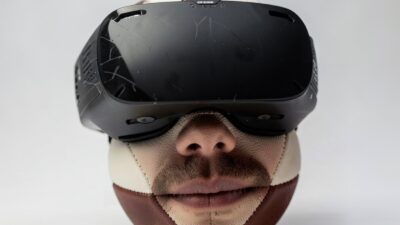
Virtual Reality Training: A Game Changer for Professional Football?
The world of professional football is a relentless pursuit of marginal gains – that extra percentage point that can separate victory from defeat. For decades, teams have sought every possible advantage, refining strength training, nutrition, and game-day strategies. Now, a new contender has entered the arena: virtual reality (VR) technology. Once largely relegated to gaming and entertainment, VR is increasingly finding its place in professional football training rooms, offering an innovative approach to athlete preparation.
Early adopters like EON Reality are demonstrating the potential of immersive simulations. These simulations offer players repeated opportunities to practice game scenarios without incurring the physical demands and injury risks associated with traditional drills. This shift moves away from conventional methods toward targeted, controlled repetition to hone skills and improve performance.
The Rise of VR in Football: East Carolina University’s VREL
The Virtual Reality and Education Laboratory (VREL) at East Carolina University is playing a vital role in this exploration. Recognizing the broad applications of VR beyond education, they’re conducting research specifically focused on its utility within sports training. Their findings offer critical insights as professional teams begin incorporating these technologies into their routines.
Skill Refinement: Mastering Plays Through Repetition
The most immediate benefit of VR training lies in skill refinement. Players can repeatedly execute complex plays—whether it’s a quarterback reading blitz formations or a receiver mastering intricate route combinations—in a safe, controlled environment. This allows for precision practice under pressure, mimicking the intensity of game day without the physical fatigue that often compromises traditional drills. The ability to isolate specific scenarios and repeat them with increasing complexity proves invaluable.
Proactive Injury Prevention: A New Approach to Athlete Safety
The high-impact nature of professional football consistently leads to significant injuries. VR offers a proactive approach to mitigating these risks. By simulating common collision scenarios, athletes can develop more instinctive and safer movement patterns, enhancing their reaction times and ultimately reducing the likelihood of in-game injuries.
Personalized Training Programs: Addressing Individual Weaknesses
Beyond generic drills, VR shines in its ability to deliver truly personalized training experiences. Utilizing detailed player performance data, teams can identify individual weaknesses and create bespoke simulations designed to address those specific areas of improvement. A struggling defensive lineman might benefit from virtual practice against a variety of offensive linemen, while a wide receiver focused on catching could simulate different coverage patterns—all tailored to their unique needs.
The Economic Advantages: Reducing Costs and Maximizing Preparation Time
The costs associated with traditional football training are substantial, encompassing travel expenses, specialized equipment, medical care for injuries, and coaching salaries. VR presents a compelling alternative that can potentially lower these overheads. By reducing the reliance on extensive on-field drills—and therefore minimizing the risk of costly injuries—teams can significantly reduce overall expenses while maximizing preparation time. This democratization of advanced training techniques allows teams with tighter budgets to compete more effectively.
Integrating VR into Existing Training Regimens: A Balanced Approach
While the advantages are clear, a balanced approach is key. The core principles of physical conditioning and face-to-face coaching remain vital for holistic athlete development. Effective implementation involves integrating VR as a supplement—harnessing its unique strengths to augment existing training routines rather than attempting wholesale replacement.
Overcoming Adoption Challenges: Addressing Concerns and Future Proofing
The widespread integration of VR into professional football faces several hurdles. The initial investment costs associated with hardware, software, and ongoing maintenance can be significant. The potential for motion sickness or lag—though decreasing as technology advances—remains a concern. Rigorous data collection and analysis are also necessary to fully understand the long-term impact on athlete development and injury rates.
The Horizon of Immersive Football: Future Trends & Possibilities
The trajectory of VR technology suggests an increasingly prominent role in professional football’s future. We can anticipate more sophisticated simulations capable of replicating game conditions with remarkable accuracy. Haptic feedback systems, which recreate the sensation of physical contact, will likely become commonplace. Imagine multiplayer virtual training environments where teams across continents can compete remotely—the possibilities appear limitless.
Conclusion: A New Era for Athlete Development
The emergence of VR represents a significant opportunity for professional football to redefine how athletes prepare and enhance their performance. It offers the chance to reduce risk, personalize training, and potentially level the playing field. However, realizing this potential requires thoughtful implementation, continuous evaluation, and a commitment to striking a balance between emerging technologies and time-tested methods.
From simulating pressure situations to providing tailored practice routines, VR is transforming how football teams prepare their athletes. As technology continues to evolve, it’s fascinating to consider the possibilities—what specific challenges do you think professional football will address first with expanded virtual reality integration?
Beyond the performance benefits, VR also promises significant economic advantages for professional football teams. By reducing travel expenses, as players can train virtually without needing to travel for practices or scrimmages, teams can save considerable resources. Additionally, the cost of specialized equipment and medical care for injuries can be significantly reduced when training in a virtual environment.
Where People Get It Wrong: Overreliance on Technology
It’s essential to acknowledge that VR technology is not a panacea for all training needs. While it offers numerous benefits, it should be viewed as another tool in the coach’s arsenal rather than a replacement for traditional methods. A balanced approach that combines virtual and physical training will yield the best results.
A Practical Checklist for Incorporating VR Training
1. Identify specific areas of improvement: Use player performance data to determine where VR training can have the most significant impact.
2. Design targeted simulations: Tailor virtual scenarios to address individual weaknesses and enhance specific skills.
3. Monitor progress: Regularly assess player performance in both VR training sessions and real games to evaluate the effectiveness of the technology.
4. Balance virtual and physical training: Avoid overreliance on VR by integrating it into a comprehensive training program that includes traditional drills and game-day practice.
The Future of Football Training: A Symphony of Technology and Tradition
As virtual reality technology continues to evolve, its role in professional football training is likely to grow. Yet, it’s crucial to remember that the human element—coaching, teamwork, and physical conditioning—will always be at the heart of this game. The future of football training will be a symphony of technology and tradition, striking the right balance for optimal performance on and off the field.
Question: What other areas do you see VR technology impacting in professional sports, and how can we best use these advancements to enhance athlete development?
Here’s where people often get it wrong — they assume that incorporating VR technology into professional football will incur exorbitant costs. However, the long-term savings can be significant. Reduced travel expenses for scouting opponents and conducting training camps are just one aspect. Additionally, virtual simulations drastically cut down on the need for physical equipment and facilities, freeing up resources for other areas of the team’s operation.
A Practical Checklist for Implementing VR in Football Training
- Identify Key Areas: Identify the specific areas of player development that could most benefit from VR technology, such as skill refinement, injury prevention, or personalized training programs.
- Choose the Right Tools: Research and select VR equipment and software suitable for your team’s needs. Consider factors like ease of use, compatibility with existing systems, and cost-effectiveness.
- Integrate into Existing Programs: Incorporate VR technology into your team’s training regimen in a way that complements rather than replaces traditional methods.
- Monitor Progress: Track player performance data to evaluate the effectiveness of VR simulations and adjust as needed.
As we continue to explore the potential of virtual reality in professional football, it’s essential to remember that this technology is not a silver bullet. The true value lies in its ability to enhance and augment existing training practices, offering a new dimension to athlete development and competition preparation.
Closing Thoughts
Are you ready to join the revolution? Embracing virtual reality could give your team the competitive edge it needs to succeed in today’s fast-paced, high-stakes football landscape. What steps will you take to use this exciting new technology for your team’s success?