Written: August 5, 2026
A New Era of Artistic Immersion: The Dawn of Virtual Reality Art
The relentless march of technological advancement continues to reshape our world, and few sectors are experiencing such a dramatic evolution as the art landscape. Increasingly, we’re witnessing the emergence of Virtual Reality Art (VRA), a burgeoning medium that’s pushing creative boundaries and fundamentally altering how audiences connect with artistic works. It’s no longer simply about viewing art; it’s about experiencing it in ways previously unimaginable.
The Allure of Immersion: Beyond the Traditional Canvas
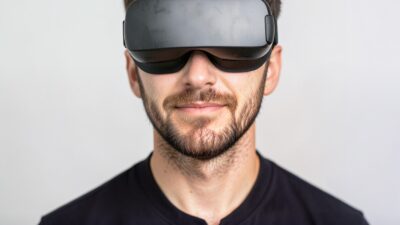
The core appeal of Virtual Reality (VR) lies in its ability to create deeply immersive environments. Unlike passively observing a painting or sculpture, VR headsets position the user directly within a digitally constructed world. This sense of ‘presence’ aims to dissolve the line between observer and participant, offering an experience that simulates reality with remarkable detail. Early iterations often felt clunky due to technological limitations, but advances in hardware—higher resolution displays, comfortable headset designs, and improved tracking—are steadily enhancing realism and reducing user fatigue.
Collaborative Creation: Artists United Across Distance
The influence of VRA extends beyond individual artistic expression. Museums and galleries are actively experimenting with VR exhibitions, providing visitors with interactive journeys through historical eras and masterpieces – imagine standing beside Van Gogh as he paints Starry Night or exploring ancient Rome from a first-person perspective. More significantly, this technology facilitates unprecedented forms of collaborative creation: artists geographically separated can now develop works together within shared virtual spaces, blending styles and techniques—a possibility that was virtually unthinkable just a few years ago.
Healing with Digital Experiences: Virtual Reality Therapy
Beyond its aesthetic appeal, VRA demonstrates compelling therapeutic applications. Virtual Reality Exposure Therapy (VRET) uses carefully designed digital environments to aid individuals in confronting anxieties and phobias. By simulating controlled scenarios—from addressing a fear of public speaking to overcoming a fear of heights—patients can gradually build coping mechanisms within a safe virtual setting. VR art experiences are also increasingly being explored as tools for emotional processing and stress reduction, offering a unique outlet for self-expression.
Democratizing Artistic Creation: Lowering the Barriers
A significant advantage of VRA is its potential to level the playing field within the art world. Traditional artistic mediums often demand substantial investment – expensive materials, dedicated studio space, and specialized training. While VR software isn’t entirely free, it generally represents a considerably lower financial barrier than pursuing more conventional disciplines. This increased accessibility opens doors for aspiring artists from diverse backgrounds who may lack traditional resources but possess ingenuity and vision.
Engaging Audiences: VRA in Education and Marketing
The influence of VRA extends far beyond the purely artistic domain. Educators are finding innovative ways to integrate VR into their curricula, providing students with immersive learning experiences—like dissecting a human heart in three dimensions or exploring the biodiversity of the Amazon rainforest without leaving the classroom. Businesses, too, have recognized its potential for engagement. VR marketing campaigns are gaining traction as companies seek impactful and memorable promotional content; envision virtually test-driving a car before making a purchase or taking a virtual tour of a luxury hotel room from home.
Virtual Festivals: Building Global Art Communities
The emergence of virtual reality festivals signifies another significant development in the art landscape. These online events provide artists with platforms to showcase their VR artwork to global audiences and cultivate vibrant communities around shared interests. While physical presence undoubtedly remains valuable for support connections, these digital spaces offer unprecedented reach and accessibility, effectively dismantling geographical limitations.
Navigating the Challenges: Accessibility and Authenticity
Despite its promise, several crucial challenges remain as VRA matures. Accessibility remains a key concern—the cost of VR hardware could inadvertently exacerbate existing inequalities. Questions surrounding ownership rights, copyright protection in digital art, and maintaining authenticity require meticulous planning and legal frameworks. Finally, minimizing motion sickness and discomfort associated with some VR experiences is essential to broadening adoption among users.
Envisioning VRA in 2026: A Glimpse into the Future
By 2026, Virtual Reality Art is poised to play an increasingly integral role within our broader cultural landscape. While the underlying technology will undoubtedly continue its rapid evolution—perhaps with haptic feedback suits providing realistic touch sensations or more advanced neural interfaces further blurring the lines between physical and digital existence—its core influence on creative expression and audience engagement appears firmly established. The question isn’t whether VRA will shape modern culture; it’s about anticipating what new forms of art and experience will emerge as artists relentlessly explore its expanding possibilities. Given how quickly this technology is advancing, how do you think haptic feedback might fundamentally change the way we feel when experiencing virtual art?
Here’s Where People Get This Wrong: Misconceptions About Virtual Reality Art
While it’s tempting to romanticize the impact of Virtual Reality Art (VRA), it’s crucial not to overlook its challenges and limitations. Some may view VR as a panacea, capable of solving all problems within the art world. However, this oversimplification ignores the inherent complexities in creating immersive digital experiences that resonate with audiences.
Firstly, the creation of compelling VR art requires an understanding of both traditional artistic principles and emerging technological ones. This demands a unique blend of skills, which not all artists possess. Consequently, the learning curve can be steep for those transitioning from traditional media to VRA.
Secondly, the high cost of VR equipment remains a barrier for many aspiring artists and institutions. Although VR offers a lower financial barrier compared to traditional mediums, it still requires significant investment—particularly in advanced hardware and software. As such, widespread adoption may be slower than some anticipate.
Lastly, the immersive nature of VRA raises concerns about its potential impact on mental health. While therapeutic applications abound, it’s essential to address the psychological effects of prolonged exposure to virtual environments. Research into these issues is ongoing, but their resolution will play a significant role in shaping the future of VRA and its integration into modern culture.
A Practical Checklist for Navigating Virtual Reality Art
1. Embrace a learning mindset: Recognize that mastering VR art requires dedication and adaptability, as it bridges traditional artistic principles with new technological ones. 2. Collaborate with experts: Seek out collaborations with individuals who possess expertise in both art and technology to create compelling digital experiences. 3. Invest wisely: Prioritize investing in quality VR equipment that balances affordability with performance, ensuring a smooth user experience. 4. Consider mental health implications: Be mindful of the psychological effects of prolonged immersion in virtual environments and support ongoing research into their impact. 5. Explore alternative applications: Experiment with using VRA beyond traditional artistic expression—for example, in education, marketing, or therapy—to expand its reach and utility.
Closing Thoughts
As we continue to explore the vast potential of Virtual Reality Art, it’s essential to recognize both its promises and pitfalls. By adopting a critical yet open-minded approach, we can support the growth of this exciting medium while ensuring that it serves as a force for enrichment within our cultural landscape in 2026 and beyond. So, are you ready to step into the future of art? How might you use VRA to transform your creative practice or artistic vision?
The Limits of Virtual Reality Art: A Cautionary Note
While VR art presents exciting possibilities for both artists and audiences, it’s essential not to overlook potential pitfalls. One major concern is the digital divide – those without access to expensive VR equipment may be excluded from these immersive experiences. the emphasis on technology may overshadow the importance of human creativity and connection in traditional art forms.
The Art of Balance: Avoiding the Virtual Trap
Here’s where people often get it wrong – believing that VRA should replace traditional art is a fallacy. Instead, it should serve as an extension, offering new ways to explore and engage with art while preserving the intrinsic value of physical works. To maintain this balance, we need thoughtful curation and discerning criticism to evaluate the merits of both digital and traditional art pieces.
Practical Checklist: Navigating the Virtual Art Landscape
To ensure a meaningful interaction with VR art, consider following this checklist:
1. Invest in quality equipment that prioritizes comfort and realism. 2. Seek out immersive experiences that offer depth and complexity. 3. Engage with artists and curators who understand the unique potential of VR. 4. Balance your virtual explorations with traditional art to maintain a holistic perspective. 5. Reflect on how these experiences influence your understanding of art and self-expression.
Embracing an Augmented Future: A Final Thought
As we continue to push the boundaries of what’s possible in art, let us not lose sight of its core purpose – to inspire, challenge, and connect us as human beings. By thoughtfully integrating VR into our artistic landscape, we can create a future where technology enhances rather than supplants the power of art to enrich our lives.
Are you excited about the possibilities of Virtual Reality Art? How do you envision it shaping your personal artistic journey or cultural experiences in 2026 and beyond? Share your thoughts with us!