Written: July 22, 2026 · Updated: August 5, 2026
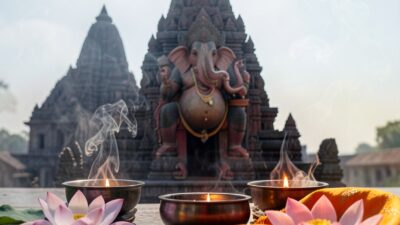
Welcome to a journey through the captivating world of Hindu mythology, where ancient tales intertwine with timeless lessons on righteousness and justice. Imagine yourself nestled in the foothills of a remote temple; a monk stands before an intricately carved statue of Narasimha, his eyes closed, murmuring a prayer as the wind whispers through the sacred space. This image encapsulates the enduring power and mystery surrounding this extraordinary avatar.
Narasimha, meaning “the one with the man-lion form,” is far more than just a deity; he’s a profound embodiment of divine strength, unwavering righteousness, and the inherent duality within existence. His appearance – a striking combination of human torso and a lion’s head and powerful paws – immediately sets him apart from other avatars of Lord Vishnu.
The Striking Hybrid Form: A Divine Synthesis
The very form of Narasimha is arresting. Unlike depictions of Vishnu as a serene, four-armed figure, Narasimha’s appearance evokes both awe and primal fear. This isn’t simply about aesthetics; it reflects the avatar’s purpose – to dismantle arrogance, protect dharma (righteousness), and demonstrate that even the most formidable evil can be vanquished. The lion represents raw power and ferocity, while the human torso signifies intellect and compassion—a perfect union of might and wisdom. Consider how this hybrid form visually communicates a message of immense power tempered by intelligence – a powerful theological statement.
The Tale of Hiranyakashipu: A Demon King’s Challenge to Divinity
The Narasimha avatar is inextricably linked to the story of Hiranyakashipu, a powerful demon king who considered himself invincible. Consumed by ego and having renounced Vishnu, he declared himself divine, challenging the very fabric of cosmic order. This act enraged Vishnu, leading to the birth of Narasimha—an avatar specifically created to confront and destroy the tyrant. His actions weren’t just defiance; they were an active attempt to usurp the place of a deity.
Hiranyakashipu’s actions challenged the foundations of dharma, terrorizing the innocent and demanding worship that belonged rightfully to Vishnu. His son, Prahlada, remained steadfast in his devotion to Vishnu, despite facing relentless persecution from his father—a true test of faith under duress. This unwavering faith ultimately triggered Narasimha’s appearance, ending Hiranyakashipu’s reign of terror and showcasing the power of unshakeable belief.
Decoding the Symbolism: A Sonic Roar of Truth
The symbolism embedded within the Narasimha avatar extends far beyond its unusual form. The lion’s roar represents the shattering of illusion and ignorance; it’s a sonic boom of truth. The claws signify the ability to tear down false beliefs and dismantle negativity, not just physically but also spiritually. His act is not merely a physical confrontation but a symbolic victory for truth over falsehood, devotion over arrogance – a triumph of light over darkness.
The timing of Narasimha’s appearance also carries significant meaning. It occurred during the twilight hours (sandhyakaala), an inauspicious time generally avoided by Hindus. This underscored the avatar’s intention to operate outside conventional boundaries and confront evil directly, regardless of societal norms; a clear message that righteousness often demands challenging established conventions.
The Lesser-Known Tale: Narasimha and Indra’s Tusk
Beyond his encounter with Hiranyakashipu, ancient texts describe another significant event involving Narasimha – the restoration of a lost tusk belonging to Lord Indra. While less widely known than the Hiranyakashipu story, this episode highlights Narasimha’s role as not just a destroyer of evil but also a protector and restorer of cosmic order. The details surrounding this incident are often shrouded in legend, adding an element of mystery and intrigue to the avatar’s narrative and suggesting his influence extends far beyond one iconic battle.
Narasimha within Hindu Cosmology: A Necessary Force
The Narasimha avatar holds a unique position within the larger framework of Hindu mythology. While Vishnu incarnates repeatedly to restore dharma, Narasimha’s arrival is particularly dramatic and forceful. He serves as a potent reminder that righteousness demands unwavering commitment and courage, even when confronting seemingly insurmountable odds. His appearance isn’t always necessary; he manifests only when extreme measures are needed.
Narasimha’s actions underscore the crucial principle that unchecked power and arrogance must be challenged, and that devotion to truth will always prevail. The avatar isn’t simply about punishing evil; it’s about safeguarding dharma for future generations, ensuring cosmic balance is maintained.
A Legacy of Inspiration: Art, Devotion & Self-Reflection
The legend of Narasimha continues to resonate deeply within Hindu culture today, inspiring art, music, and devotional practices. Temples dedicated to Narasimha are found throughout India, each serving as a focal point for worship and contemplation. The story serves not only as an entertaining narrative but as a profound lesson in morality and the eternal struggle between good and evil; it’s a recurring theme across centuries of spiritual practice.
The imagery of Narasimha challenges us to confront our own inner demons and strive for righteousness—even when facing adversity. It’s a message that transcends time and cultural boundaries, reminding us that truth and devotion will ultimately triumph over falsehood and arrogance. The awe-inspiring nature of this deity invites introspection and inspires followers to seek a deeper understanding of dharma.
Returning to the image of Narasimha, his composite form embodies both unparalleled strength and profound wisdom, serving as an eternal reminder that even in the face of immense darkness, righteousness will always prevail. What seemingly insurmountable challenge are you currently facing where the lessons of Narasimha might provide guidance?
Practical Checklist for Understanding Narasimha Avatar
Before delving into the captivating world of Narasimha, it’s essential to familiarize yourself with certain key aspects that enrich your understanding of this extraordinary avatar. Here’s a practical checklist to guide you on your journey:
1. The Hybrid Form: Analyze the symbolic significance of Narasimha’s form—a unique blend of human intellect and lion power. Reflect on how this union represents the balance needed between strength and wisdom when confronting adversity.
2. The Tale of Hiranyakashipu: Engage with the narrative surrounding Narasimha’s creation as a response to Hiranyakashipu’s defiance against divine authority. Reflect on how this story demonstrates the importance of unwavering faith and the consequences of arrogance.
3. Symbolic Elements: look into the various symbolic elements associated with Narasimha, such as his roar and claws. Contemplate their meanings and consider how they embody the avatar’s mission to vanquish falsehood and uphold righteousness.
4. The Twilight Hours: Reflect on the significance of Narasimha’s appearance during sandhyakaala, an inauspicious time typically avoided by Hindus. Contemplate the message this conveys about challenging established conventions for the sake of righteousness.
5. Reflections and Questions: After exploring these aspects, take some time to ponder on the lessons Narasimha’s story imparts to us today. Here’s a soft question to get you started: In what ways do we face challenges that require balancing strength and wisdom in our modern world? How can we draw inspiration from the Narasimha avatar to navigate such situations effectively?
By engaging with these points, you’ll not only gain a deeper understanding of the Narasimha avatar but also discover valuable insights about righteousness, power, and unwavering faith in the face of adversity.
Here’s where people often get it wrong. While Narasimha is indeed a symbol of divine retribution, it’s crucial to remember that his power isn’t merely destructive; it’s restorative. After defeating Hiranyakashipu, he showed mercy by sparing Prahlada and saving the innocent lives under the demon king’s rule. This act underscores the importance of balancing justice with compassion – a vital lesson for those seeking to emulate Narasimha’s example.
A Practical Checklist for Embracing Narasimha’s Lessons
- Strength and Wisdom: Channel your inner Narasimha by combining raw power with intellect and compassion. Let this union guide you in overcoming obstacles and upholding righteousness.
- Stand Against Arrogance: When faced with challenges to dharma, remember Hiranyakashipu’s arrogance and stand firm against those who seek to usurp the divine order.
- Unwavering Faith: Follow Prahlada’s example and maintain your devotion, even in the face of adversity. Let faith be your shield against darkness and doubt.
Embracing the lessons of Narasimha means more than just understanding his story; it’s about incorporating these powerful teachings into our daily lives. As you reflect on the enduring power and mystery surrounding this extraordinary avatar, let its lessons serve as a guiding beacon in your own journey towards righteousness and truth.
So, what are the lessons Narasimha’s tale holds for you? How can his unique form, timeless story, and powerful symbolism inspire change in your life? By delving deeper into the captivating world of Hindu mythology, we can open up a treasure trove of wisdom that transcends time and culture.