Written: June 28, 2026 · Updated: August 9, 2026
A Love Letter to Sustainability
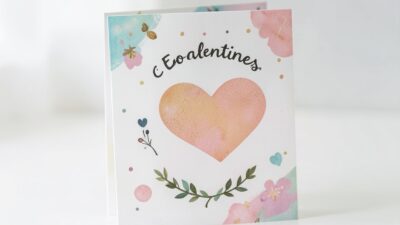
A Valentine’s Day card is a cherished symbol of affection, but the traditional route—purchased cards often made with virgin paper and shipped across the globe—can take a toll on our planet. This year, why not show your loved ones (and Mother Earth) that you care by crafting eco-friendly DIY Valentine’s cards using recycled materials? It’s a heartwarming gesture that speaks volumes about your values.
The Beauty of Handmade: Why DIY?
DIY projects offer more than just a fun activity; they represent creativity, resourcefulness, and a conscious effort to reduce our impact. When you create something with your own hands, it holds a unique value—a tangible expression of love and care that store-bought cards simply can’t match. The act of creation itself is incredibly rewarding, offering a chance to slow down, connect with your creativity, and enjoy a mindful activity. Beyond the personal satisfaction, handmade gifts carry a sentimental weight that mass-produced items often lack.
Embracing Repurposing: Giving Waste a Second Life
Repurposing lies at the heart of eco-friendly crafting. Instead of contributing to landfill waste, we’re giving existing materials a new lease on life. Old magazines, newspapers, fabric scraps – all these seemingly useless items can be transformed into beautiful and meaningful Valentine’s cards. It’s about reimagining discarded objects and seeing potential where others see trash. This approach not only reduces waste but also support a sense of ingenuity and appreciation for the resources we have.
Understanding Sustainable Crafting: More Than Just Recycling
While recycling is an important component of environmental responsibility, repurposing takes sustainability a step further. It minimizes the demand for new resources, reducing energy consumption associated with manufacturing processes (which traditional card production requires) and lessening waste heading to landfills. By embracing recycled materials in your crafting projects, you’re actively contributing to a healthier planet and promoting a circular economy.
Paper Power: Transforming Old Magazines & Newspapers into Art
The most readily available resource for DIY Valentine’s cards often sits right under our noses: old magazines and newspapers! Don’t underestimate their potential. Their vibrant colors, unique textures, and diverse images can be incorporated into stunning card designs. Think carefully chosen clippings of vintage advertisements—perhaps evoking a shared memory—maps showcasing a special place, or even newspaper headlines to create witty and personalized messages. Experiment with layering different paper types for added depth and visual interest.
Beyond Paper: A Symphony of Scraps – Fabric, Buttons & Ribbons
Beyond paper, the possibilities are endless! Dig through your craft supplies (or raid your recycling bin!) for fabric scraps, buttons, ribbons, yarn remnants, and other overlooked treasures. These embellishments add character and personalization to your cards, transforming them from simple creations into cherished keepsakes. A small piece of a loved one’s favorite shirt—perhaps a patch or button—can carry immense sentimental value and create a truly unique and meaningful gift.
Completing the Picture: Envelopes with Integrity
A truly sustainable Valentine’s card extends beyond just the main design; consider your envelope! Opt for recycled paper envelopes to ensure every aspect of your handmade gift aligns with your eco-conscious values. Many craft stores now offer these, or you can even make your own from repurposed materials—brown paper bags work wonderfully and add a rustic charm. Even small details like using twine instead of tape contribute to the overall sustainability.
Adding Sparkle Responsibly: Biodegradable Glitter & Natural Dyes
Who says eco-friendly crafting has to be drab? Add a touch of sparkle and color using biodegradable glitter—made from plant-based cellulose rather than plastic—or explore natural dyes derived from fruits, vegetables, or flowers. Turmeric can create vibrant yellows, beet juice deep reds, and spinach lush greens. These options allow you to create vibrant and eye-catching cards without compromising your commitment to sustainability; they add visual appeal while maintaining an environmentally friendly ethos.
Inspiring Change: Spreading the Love Sustainably
The best way to amplify your impact is by inspiring others! Encourage your friends and family to join in the fun of crafting eco-friendly Valentine’s cards. Share your creations online, host a crafting workshop, or simply talk about the benefits of sustainable practices. The more people who embrace this approach, the greater the collective positive impact we can have on our planet.
Your Creative Journey Begins Now
Creating DIY Valentine’s cards from recycled materials is an act of love—a tangible demonstration of your care for both your loved one and our planet. It’s a chance to express yourself creatively, reduce waste, and spread awareness about sustainable living. So gather your supplies, unleash your imagination, and let the crafting begin! Don’t forget to share your stunning creations with us on social media using SustainableValentines—we can’t wait to see what you come up with.
What recycled material are you most excited to incorporate into your DIY Valentine’s card design?
Crafting an Eco-Friendly DIY Valentine’s Card Checklist
Material Sourcing: A Mindful Approach to Supplies
Sustainable crafting isn’t just about the final product; it begins with conscious decisions when sourcing materials. Opt for supplies made from recycled or eco-friendly materials whenever possible. By choosing responsibly-sourced products, you ensure that your project’s footprint remains minimal.
Designing with a Purpose: Balancing Creativity and Impact
While the aesthetic appeal of your DIY Valentine’s cards is essential, it’s equally important to consider their environmental impact. Aim for designs that are simple yet striking, as intricate patterns may require more materials and time. Simplicity often allows for greater creativity and can result in a visually appealing card without compromising sustainability.
Reducing Waste: Efficient Use of Materials
Crafting with a focus on reducing waste will help ensure that your project is truly eco-friendly. Plan ahead by sketching out designs, measuring materials carefully, and using every scrap to its full potential. This mindful approach not only saves resources but also support resourcefulness—an invaluable skill for any crafter!
Reusing & Upcycling: A Second Chance for Discarded Materials
Upcycling is a fantastic way to breathe new life into discarded items, reducing waste and promoting creativity. Look around your home for materials that can be repurposed—from old books, glass jars, or even fabric remnants—and incorporate them into your DIY Valentine’s cards.
Sharing the Love: Spreading Awareness About Sustainability
Crafting eco-friendly DIY Valentine’s cards is not only about creating a meaningful gift but also about spreading awareness about sustainability. Share your creations on social media, encouraging others to join in this mindful crafting movement and make a positive impact on the environment together.
Closing Thoughts: A Sustainable Crafting Journey
Here’s where people often get it wrong—crafting eco-friendly DIY Valentine’s cards isn’t just about making something pretty; it’s about making a difference. By choosing sustainable materials, minimizing waste, and promoting awareness, you’re creating more than a card—you’re support change for a better tomorrow.
So this Valentine’s Day, let your love story extend beyond romance and into environmental consciousness. Crafting eco-friendly DIY cards not only showcases your creativity but also your commitment to making the world a greener place. Have fun, get crafty, and share your sustainable love!
What are some unique ways you’ve repurposed materials for your own DIY projects? Let us know in the comments below!