Written: July 22, 2026 · Updated: August 5, 2026
Embracing Sustainability: Crafting a Greener Home with Recycled Decor
The world is becoming increasingly aware of the need for sustainability, and our homes are no exception. Beyond energy-efficient appliances and mindful consumption, there’s immense beauty and satisfaction in crafting your living space using recycled materials. It’s a rewarding way to minimize waste while adding unique character and charm. Let’s explore how you can transform everyday items into stunning decor pieces—one DIY project at a time.
The Rising Tide of Eco-Conscious Home Design
The movement towards eco-conscious living isn’t merely a trend; it represents a crucial shift in our values and practices. Consumers are actively searching for ways to lessen their environmental footprint, and that includes how they decorate their homes. This surge is driven by growing awareness campaigns highlighting sustainable practices, readily available information through online resources and social media, and a genuine desire to contribute to a healthier planet. The appeal of DIY eco-friendly decor lies in its accessibility—almost anyone can participate with minimal financial investment and boundless creative potential. there’s increasing recognition that sustainable choices aren’t about sacrificing style; they are often enhancements to it, creating spaces that feel not just beautiful but also responsible. The rise of online platforms showcasing upcycled and repurposed goods further fuels this movement, offering inspiration and connecting consumers with artisans dedicated to eco-friendly practices. This extends beyond individual homeowners as well—businesses and designers increasingly recognize the demand for sustainable options, leading to a wider availability of eco-conscious furniture and decor in retail spaces.
Creating a Winter Wonderland: Eco-Friendly ‘Snow’ Magic
Imagine the whimsical charm of a winter wonderland indoors, all without contributing to microplastic pollution from traditional artificial snow. The prevalence of plastic-based decorations highlights the problem; these materials shed tiny particles that pollute waterways and harm wildlife. You can conjure your own eco-friendly fake snow using simple ingredients such as baking soda and cornstarch – a truly natural and biodegradable alternative. Alternatively, consider utilizing recycled paper pulp. Shredded newspaper or junk mail, when mixed with water and carefully dried, creates surprisingly realistic snowfall effects. These homemade alternatives are not only fun to create but also entirely biodegradable, allowing you to enjoy the magic of winter responsibly. Experimenting with different ratios of ingredients can lead to varied textures – finer snow for dusting surfaces and coarser mixtures for creating drifts and piles. It’s a fantastic project for families and children, teaching them valuable lessons about resourcefulness and environmental responsibility.
Inspired by Sustainability: Lessons from Hotels like Element
The principles of sustainability extend beyond residential spaces. Leading hotels—like Element, a brand within Starwood Hotels and Resorts—demonstrate a strong commitment to eco-friendly practices on a grand scale. These properties are often designed with LEED (Leadership in Energy and Environmental Design) certification in mind, signifying their dedication to reducing environmental impact throughout the building’s lifecycle. From floors constructed using recycled materials like reclaimed wood or bamboo, to energy-efficient lighting systems utilizing LED bulbs, and water conservation plumbing fixtures that reduce waste, these properties exemplify how sustainable design can be both practical and aesthetically pleasing. Beyond physical elements, Element hotels often prioritize partnerships with local, sustainable businesses for amenities and food sourcing. Their success proves that incorporating environmentally conscious elements doesn’t require compromising style or comfort – it enhances them by creating a healthier and more inviting atmosphere for guests while also promoting responsible tourism. Observing such large-scale implementation can inspire homeowners to adopt similar principles on a smaller scale, understanding that sustainable design is scalable and applicable to various environments.
The Resurgence of Crochet: Upcycling with Yarn & Textiles
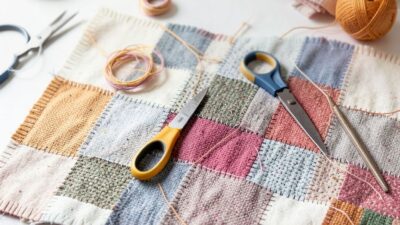
The art of crochet has a rich history, serving as a means to create cozy blankets, baskets, and decorative items for generations. Now experiencing a modern resurgence, driven by the focus on sustainability, crocheting is being reimagined using recycled materials like old t-shirts or repurposed plastic bags (“plarn”). Transforming textile scraps into beautiful creations not only breathes new life into discarded items but also adds unique texture and story to your home decor. The beauty of “plarn” lies in its durability – it’s stronger than many commercial yarns, perfect for crafting sturdy baskets or durable mats. Beyond t-shirts, other fabric remnants like old towels, curtains, or even denim jeans can be transformed into charming crocheted accessories. This practice addresses the significant waste generated by the fashion industry and encourages a mindful approach to textile consumption. There’s also a growing community of crochet enthusiasts sharing patterns and techniques specifically designed for upcycled materials, support collaboration and innovation in this eco-friendly craft.
From Newsprint to Masterpiece: Artistic Expression with Paper
Those stacks of newspapers and magazines accumulating in a corner don’t have to be destined for the recycling bin. With a touch of creativity, they can become captivating pieces of art! Consider crafting mosaic-style wall hangings by carefully cutting and layering paper strips. Fashioning paper beads for jewelry or garlands is another relatively simple project requiring minimal materials. Decoupage techniques—using cutouts from newspapers, magazines, or vintage book pages—can revitalize old furniture, giving it a unique and personalized aesthetic. The textures and typography of these printed materials add visual interest and a nostalgic charm to your decor. Don’t limit yourself – experiment with different paper types and finishes for varying effects. These projects open up endless possibilities for artistic expression while preventing waste from ending up in landfills and demonstrating the value hidden within what we often consider trash.
Retro Revival: Vinyl Records Transformed into Stylish Decor
Dust off those vintage vinyl records, especially those that are scratched or no longer playable—they don’t have to languish forgotten! Old records can be transformed into unique coasters by applying a sealant to protect them from spills and moisture. Quirky wall art pieces can be created by painting on the record surface or even framing them as they are, showcasing their iconic album artwork. Decorative clocks can also be fashioned using vinyl records, adding a nostalgic touch to any room. The inherent coolness of the retro aesthetic combined with sustainable practices creates a truly captivating addition to any home, injecting personality and a conversation starter. This approach reduces the environmental impact associated with producing new decor items while celebrating music history in a visually appealing way.
Elegant Simplicity: Repurposing Wine Bottles for Home Decor
Instead of discarding those empty wine bottles, embrace their potential as stylish decor elements. Cleaned and repurposed, they can become charming candle holders – simply insert votive candles or tea lights into the bottle openings. Elegant vases can be created by painting or decorating the bottles with twine or fabric scraps. The base of a lamp can also be crafted from a repurposed wine bottle—a unique statement piece for any room. The curved shape of the glass is naturally appealing and adds an element of sophistication to any space. Ensure proper safety precautions are taken when cutting or modifying the glass, however, as sharp edges can pose a risk. This practice reduces landfill waste and offers a sustainable alternative to purchasing mass-produced decorative items.
Ultimately, embracing sustainability in home decor isn’t about drastic changes; it’s about mindful choices and creative solutions that contribute to a healthier planet while enriching your living space with unique charm and character.
Callback & Soft Question: Thinking about these ideas, which recycled material do you think would be the most fun for you to experiment with in your home decor?