Written: August 1, 2026 · Updated: August 2, 2026
Embrace Sustainability: Creating Beautiful Wall Art from Recycled Treasures
The world is increasingly focused on mindful living, and that extends to our home decor choices. There’s a blossoming movement—an artistic renaissance, if you will—focused on crafting beautiful wall art while minimizing environmental impact. Creating DIY wall art from recycled materials isn’t just a trend; it’s a powerful statement about reducing waste and embracing creativity.
The Waste Problem & Why Upcycling Matters
The statistics are sobering: the average person generates a significant amount of waste daily, much of which ends up in overflowing landfills. This contributes to pollution, depletes natural resources, and negatively impacts our planet’s health. But what if we could reimagine these discarded items as valuable resources? That’s where eco-friendly wall art comes into play. Upcycling—transforming waste materials into something higher value—offers a tangible way to contribute to a more sustainable lifestyle. It’s about seeing potential where others see trash, and finding beauty in the unexpected.
Unconventional Canvas: Beyond the Basics
Many assume creating sustainable wall decor requires specialized (and potentially expensive) eco-friendly supplies. The truth is, your best materials are often already around you! Think beyond traditional canvases and explore unusual items destined for the landfill. This can include everything from old cardboard boxes to discarded fabric scraps, even plastic containers. The possibilities are truly endless – let your imagination be your guide.
Industrial Inspiration: Metal & Machinery
Metal, particularly recycled steel or aluminum, offers incredible potential for unique wall art creations. Its durability and raw aesthetic lend themselves well to abstract designs or even industrial-inspired pieces. Sourcing scrap metal from local recycling centers, salvage yards, or auto repair shops can provide a fascinating array of textures and shapes. Consider incorporating gears, springs, or other mechanical components into your design for added visual interest. Be mindful of safety precautions when working with metal – gloves and eye protection are essential, especially when cutting or shaping.
WALL-E’s Wisdom: Finding Beauty in Discarded Items
The animated film WALL-E serves as a poignant reminder of the power of resourcefulness and innovation. The movie showcases a world drowning in waste, but also highlights the beauty that can be found even within discarded items. Its message resonates deeply with the upcycling movement – inspiring us to rethink our consumption habits and find creative solutions for reducing waste. WALL-E encourages us to look beyond the surface value of materials and see the artistic possibilities hidden within.
Beyond Metal: Exploring Diverse Materials
Recycled wall art isn’t limited to metal! A wide array of other readily available materials can be transformed into stunning decorative pieces. Here are some inspiring options:
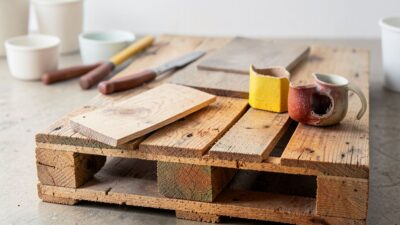
- Wood Pallets: Disassembled pallets can be transformed into rustic wooden frames, abstract sculptural pieces, or even layered backgrounds for mixed-media artwork.
- Fabric Scraps: Old clothing, linens, towels, and fabric remnants from sewing projects can be used to create textured collages, patchwork art, or quirky appliqués.
- Glass Bottles & Jars: Cut glass (with proper safety precautions!) can become mosaic tiles, unique decorative elements, or even intricate lanterns.
- Cardboard: Corrugated cardboard offers surprising structural possibilities for creating 3D wall sculptures, geometric patterns, or whimsical installations. Consider layering and painting to add depth and visual interest.
- Plastic Waste: While often overlooked, plastic bottles, caps, and containers can be melted (carefully and safely) or cut into shapes for abstract art pieces.
The Scrap Yard Advantage: Where to Find Your Materials
Scrap yards, salvage stores, antique shops, construction sites (with permission!), online marketplaces (like Craigslist or Facebook Marketplace), and even your own recycling bin are treasure troves for recycled materials. Don’t be afraid to get creative with your sourcing – often, the most unexpected items can become the foundation of a stunning piece of art. Building relationships with local businesses that generate waste can also provide a steady supply of upcycling opportunities.
Safety First: Working With Recycled Materials
It’s crucial to prioritize safety when working with recycled materials. Many materials may have sharp edges, contain chemicals (like paint or adhesives), or require specialized tools and techniques. Always wear appropriate protective gear – gloves, eye protection, and a dust mask – and research the safe handling of any material you’re using. When cutting glass or metal, ensure proper ventilation and follow safety guidelines.
Sharing Your Sustainable Creations
The impact of upcycling extends far beyond your own home. Share your creations on social media platforms like Instagram, Pinterest, and Facebook, and inspire others to embrace sustainable DIY practices. Use relevant hashtags (like upcycledart, recycleddecor, sustainableDIY) to reach a wider audience. By showcasing the beauty and ingenuity that can be found in recycled materials, you’re contributing to a larger movement towards environmental responsibility.
Beyond Decoration: The Bigger Picture
Ultimately, crafting eco-friendly wall art is about more than just decorating; it’s about making conscious choices and finding joy in resourcefulness. It’s an opportunity to express your creativity while minimizing your environmental footprint. So begin the journey of transforming trash into treasured pieces for your home – and inspire others to join you!
Creating Textured Wall Art with Recycled Fabric
<h3 class=”wp-block-heading”>Revitalizing Discarded Fabrics into Stunning Artwork</h3>
Fabric scraps are a common byproduct of the textile industry, often ending up in landfills. However, these materials can be transformed into beautiful, unique wall art pieces that bring warmth and texture to any space. To get started:
1. Collect fabric scraps from local thrift stores, friends, or family members who may have discarded materials. 2. Sort the fabrics by color, pattern, or texture to create a cohesive aesthetic for your wall art. 3. Lay out your chosen fabrics on a flat surface and arrange them in an appealing design – consider geometric patterns or a gradient effect by grading colors from light to dark. 4. Use a fabric glue or adhesive spray to secure the fabrics together, ensuring they stay in place once applied to the wall. Allow the glue to dry completely before moving on to the next step. 5. Prepare your canvas – this could be a reclaimed wooden frame, a repurposed piece of furniture, or even a large sheet of cardboard. Apply a layer of mod podge or another sealant across the entire surface for added protection and durability. 6. Once dry, carefully press your fabric collage onto the canvas, smoothing out any wrinkles or air bubbles as you go. Allow the sealant to dry completely before moving on to the next step. 7. Add a final coat of mod podge over the entire piece for extra protection and a glossy finish. Let it dry thoroughly before hanging your beautiful, eco-friendly wall art.
Incorporating Natural Elements into Wall Art
<h3 class=”wp-block-heading”>Harmonizing with Nature: Sourcing Sustainable Materials</h3>
Incorporating natural elements into your DIY wall art not only adds an organic touch but also promotes a deeper connection to the environment. Look for materials like driftwood, seashells, or dried flowers that can be found on nature walks or beach trips, or source them from eco-friendly suppliers. To create stunning pieces:
1. Collect your chosen natural elements – consider using a mix of textures and sizes for added visual interest. 2. Arrange the items in an appealing design, either as a collage or by grouping similar materials together. 3. If necessary, clean the items gently to remove dirt or debris, but avoid using any harsh chemicals that could harm the environment. 4. Prepare your canvas – this can be anything from a wooden frame to a reclaimed piece of furniture. Apply a layer of sealant across the entire surface for added protection and durability. 5. Once dry, carefully press your natural element collage onto the canvas, ensuring a snug fit. Allow the sealant to dry completely before adding a final coat for extra protection and a glossy finish. 6. Hang your beautiful, eco-friendly wall art and marvel at the harmonious blend of nature and creativity.