Creative Meal Prep Ideas for a Sustainable Pantry Lifestyle
It’s inspiring to see more people embracing home cooking not just as a culinary endeavor, but as a powerful tool for sustainability. When we consciously plan our meals and thoughtfully use what we have on hand, we significantly reduce food waste and minimize our environmental impact.
Why Embrace a Sustainable Pantry?
The global food system carries a significant footprint – from the resource intensity of agriculture to emissions generated during transportation and storage. Cooking at home offers more control over this process. You can prioritize local, seasonal ingredients when possible, lessen packaging waste, and thoughtfully use every part of your food. This transforms your kitchen into an active zone of responsible living.
The Evolution of Home Cooking: From Necessity to Convenience
Historically, cooking at home was a necessity. However, the rise of convenience foods drastically altered our eating habits. Consider Canadian chef Laura Calder’s Food Network show, which beautifully demonstrated how simple meals can be prepared with readily available ingredients. Then factor in companies like The Schwan’s Company, pioneers in frozen food delivery. While convenient, these advancements sometimes overshadow the benefits of intentional cooking and mindful resource use.
Building a Solid Foundation: Essential Pantry Staples
The cornerstone of any sustainable pantry is understanding your staples – grains, legumes, canned goods, oils, spices – and knowing how to use them creatively. Versatility is key. A single can of beans, for example, could become the base for soup, chili, tacos, or even hummus – highlighting their potential beyond simple dishes.
Smart Shopping Strategies: Bulk Buying & Optimal Storage
Cost-effectiveness often accompanies sustainability. Purchasing grains, legumes, and other dry goods in bulk dramatically reduces packaging waste while providing a longer supply. Equally vital is proper storage. Invest in airtight glass containers—they’re reusable, visually appealing, and minimize the risk of chemical leaching compared to plastic alternatives. Clearly labeling containers with expiration dates keeps track of what you have on hand, minimizing forgotten ingredients.
Frozen Fruits & Vegetables: Nutritional Powerhouses Often Overlooked
Don’t underestimate frozen produce! Flash-freezing preserves nutrients remarkably well, often surpassing even fresh options that have traveled long distances. Frozen fruits are ideal for smoothies and baking, while vegetables add versatility to soups, stews, and stir-fries—year round. They represent a convenient and nutritionally dense component of a sustainable pantry.
Mastering the Art of Leftover Transformation
Leftovers aren’t failures; they’re opportunities! Get creative with transforming last night’s roast chicken into chicken pot pie or using leftover rice in fried rice. This reduces food waste, introduces variety to your meals, and saves considerable time on subsequent cooking days.
Preserving the Harvest: Canning & Fermenting for Extended Enjoyment
For the truly dedicated, preserving techniques like canning and fermenting offer an incredible way to extend the life of seasonal produce. From jams and pickles to sauerkraut and kimchi, these methods not only preserve food but also create delicious and probiotic-rich additions to your pantry—a direct connection to seasonal abundance.
Responsible Oil Management: Reusing & Recycling
Did you know that improperly disposing of used cooking oil can be harmful? Reusing it (safely – filter it after each use!) is a more responsible choice. When disposal is necessary, look for local recycling programs specifically designed to handle used oil, preventing environmental damage.
Bringing Freshness Indoors: Microgreens & Herbs
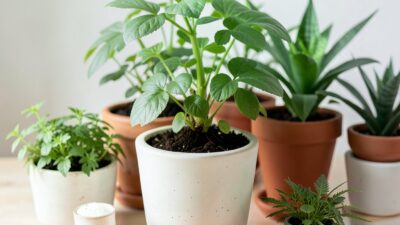
A small indoor herb garden or microgreen tray can add vibrant flavor and nutrition to your meals while reducing reliance on store-bought produce often shipped from far away. Growing your own herbs is surprisingly easy and rewarding – even in a limited space.
Community Collaboration: Sharing the Bounty
The sharing economy isn’t just about transportation or lodging; it extends to food too! If you find yourself with surplus pantry items, consider sharing them with neighbors or friends. This minimizes waste and support a sense of community—demonstrating that sustainability can be collaborative.
Embracing a sustainable pantry lifestyle is a journey, not a destination. It’s about making mindful choices that benefit both your well-being and the planet’s health. By adopting these creative meal prep ideas, you can transform your kitchen into a model of efficiency and environmental responsibility – one delicious meal at a time.
Having explored ways to minimize waste and maximize pantry resources, what single change feels most achievable for you to implement this week?
A Practical Checklist for a Sustainable Pantry Lifestyle
Living sustainably through your pantry begins with intentional planning and creative meal prep. Here’s a practical checklist to help you get started:
1. Identify Your Staples: Take inventory of grains, legumes, canned goods, oils, and spices already in your pantry. 2. Plan Meals Around What You Have: Before shopping, review your existing stock and build meals around those ingredients. 3. Buy in Bulk (When Possible): Focus on items you use frequently to reduce packaging and save money. 4. Prioritize Reusable Storage: Invest in airtight glass containers for optimal freshness and reduced waste. 5. Embrace Frozen Produce: use frozen fruits and vegetables for year-round nutritional benefits. 6. Transform Leftovers with Creativity: Get inventive to avoid food waste – repurpose cooked items into new dishes. 7. Explore Preservation Techniques: Consider canning or fermenting seasonal produce for extended use. 8. Responsible Oil Disposal: Look for recycling programs in your area.
The Joy of Swapping and Bartering: Community Sharing in a Sustainable Pantry Lifestyle
A crucial aspect of sustainable living is support connections within your community. Engaging in practices like swapping or bartering allows you to share resources, reducing duplicated efforts and waste. Participate in neighborhood swap events or initiate your own – trading surplus ingredients, kitchen tools, or even gardening supplies with neighbors. This not only cultivates a sense of camaraderie but also encourages creative meal prep ideas!
Seasonal Cooking: Embracing the Flavors of the Moment
Part of a sustainable pantry lifestyle involves working with what’s in season. Not only does seasonal cooking ensure fresher, more flavorful ingredients, but it also promotes local economies and minimizes transportation emissions. Learn to identify seasonal produce in your area and tailor your meal planning around these resources for an enjoyable culinary adventure!
Creative Meal Prep Strategies: Plan, Store, & Serve
Here’s where people get this wrong – meal prepping doesn’t have to mean cooking every ingredient at once or preparing weeks’ worth of identical meals. Instead, focus on efficient planning, smart storage solutions, and versatile serving methods. For example, batch-cooking grains can be an excellent starting point for multiple dishes throughout the week, while freezing portions of sauces or marinades extends their shelf life.
Practical Checklist for Creative Meal Prep:
1. Plan your meals: Consider seasonality, what’s on hand in your pantry, and leftovers from previous meals. 2. Batch-cook staples: Invest time in cooking grains, legumes, and sauces in larger quantities for multiple dishes. 3. Freeze portions: Save leftover sauces or marinades for future use by freezing them in small containers. 4. Store ingredients properly: use airtight glass containers to minimize spoilage, chemical leaching, and clutter. 5. Get creative with leftovers: Transform last night’s dinner into a new meal or combine components for a unique creation.
Wrapping Up: Embrace the Journey of Sustainable Meal Prep
Embarking on a sustainable pantry lifestyle not only empowers you to create delicious, nourishing meals but also contributes to a healthier planet. By adopting mindful meal planning, smart shopping strategies, and creative reuse of ingredients, you’ll find joy in the kitchen while reducing your environmental impact.
So, what’s next on your sustainable pantry journey? Try experimenting with new recipes or engaging in community swap events. Remember, every small change adds up to a significant difference!