Written: July 20, 2026 · Updated: August 5, 2026
The Growing Demand for Sustainable Skincare: Why It Matters
The beauty industry has always been influenced by trends, but increasingly, these trends reflect a deeper shift in consumer values. Sustainability is no longer a fleeting fad; it’s becoming a core expectation for many shoppers. This burgeoning demand for eco-conscious products fuels the rise of sustainable skincare brands and reshapes how we think about our beauty routines. But what exactly is sustainable skincare, and why is it so important?
What Defines Sustainable Skincare?
Sustainable skincare goes far beyond simply using ‘natural’ ingredients. It’s a holistic approach considering every aspect of a product’s lifecycle – from raw material sourcing to manufacturing processes, packaging, and disposal. A truly sustainable brand prioritizes minimizing environmental impact, protecting biodiversity, ensuring ethical labor practices, and often promoting social responsibility within their communities. This encompasses many facets, including responsibly sourced ingredients, cruelty-free formulations, reduced water consumption in production, and a commitment to fair trade.
Pioneering Brands: Leading the Way in Sustainability
Several brands have emerged as frontrunners in the sustainable skincare movement, demonstrating how businesses can operate with both profit and planet in mind. Let’s look at a few examples:
- The Honest Company: Known for its transparency and commitment to avoiding potentially harmful chemicals, The Honest Company has built a reputation on using safer alternatives. Their ‘No List’ approach—excluding ingredients deemed concerning—resonates strongly with consumers seeking non-toxic options.
- Clarins: This established brand isn’t just formulating effective skincare; they’re also investing in operational sustainability. Clarins’ commitment is visible in their eco-friendly headquarters, boasting prestigious HQE and BREEAM certifications—demonstrating a dedication to energy efficiency and resource management. Beyond buildings, they focus on responsible sourcing of plants.
- O’right: This brand stands out for its innovative approach to waste reduction, particularly through their energy and eco-packaging strategies. They’ve earned numerous accolades including Sustainability Pioneer runner-up and the New Sustainable Product award, highlighting their groundbreaking efforts in minimizing environmental footprint.
The Power of Plant-Based & Organic Ingredients
The shift towards plant-based ingredients is a cornerstone of sustainable skincare. Many brands are actively replacing synthetic compounds with naturally derived alternatives from botanical sources—think aloe vera, jojoba oil, shea butter, and green tea extract. Beyond the environmental benefits of reducing reliance on petrochemicals, organically farmed ingredients also minimize pesticide use and promote biodiversity in agricultural lands. Organic certification assures consumers that crops have been grown without harmful chemicals.
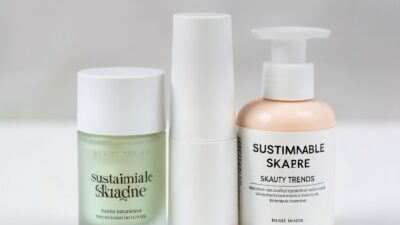
Packaging Innovations: Reducing Waste & Embracing Circularity
The traditional beauty industry has historically generated a significant amount of waste due to excessive and often non-recyclable packaging. Fortunately, this is changing! Sustainable skincare brands are pioneering innovative solutions such as:
- Biodegradable Materials: Utilizing options like mushroom packaging or seaweed-based films.
- Refillable Systems: Allowing customers to reuse containers and reduce plastic consumption—a highly effective way to minimize waste.
- Recycled & Recyclable Packaging: Employing post-consumer recycled plastics, glass, or aluminum that can be easily recycled after use. Look for packaging labeled with recycling symbols.
- Minimalist Design: Reducing packaging size and complexity overall to lessen materials used—simplicity is key.
The Consumer’s Role: Driving Market Change
The rise of sustainable skincare isn’t solely driven by brands; it’s fueled by conscious consumer choices. More people are researching product ingredients, scrutinizing company ethics, and actively seeking out brands with a demonstrable commitment to sustainability. This increased demand is sending a clear message to the beauty industry: eco-friendly practices aren’t just ‘nice to have’—they’re essential for success.
The Retail Landscape Adapts to Sustainability
The growing consumer interest has prompted significant changes in the retail sector. Many major beauty retailers now dedicate entire sections or even create specialized stores showcasing sustainable skincare brands. This increased accessibility helps shoppers easily identify and purchase eco-friendly products, further accelerating the trend’s growth. Retailers are also increasingly transparent about their sustainability initiatives, providing valuable information to consumers.
The Broader Benefits of Choosing Sustainable Skincare
The benefits extend far beyond a ‘feel good’ factor. Supporting sustainable skincare brands contributes to:
- Reduced Environmental Impact: Less pollution from manufacturing processes and fewer plastics ending up in landfills and oceans—a critical step towards protecting our planet.
- Ethical Sourcing: Promoting fair labor practices and supporting communities where ingredients are grown—ensuring a responsible supply chain.
- Biodiversity Conservation: Encouraging responsible farming methods that protect ecosystems—preserving the natural world for future generations.
- Improved Product Quality: Sustainable processes often lead to higher-quality, gentler ingredients beneficial for sensitive skin.
The rise of sustainable skincare represents a positive shift in the beauty industry – one that prioritizes both people and planet. It demonstrates how consumer demand can drive meaningful change and encourages businesses to adopt more responsible practices. By making informed choices about our skincare products, we all play a role in creating a more sustainable future.
Ultimately, embracing sustainable skincare is not just about what you put on your skin – it’s about aligning your beauty routine with your values. What are some specific ingredients or ethical considerations that you look for when choosing skincare products?
The Tradeoffs of Sustainable Skincare: Navigating the Balance
As we look deeper into the world of sustainable skincare, it’s essential to acknowledge the tradeoffs that come with choosing eco-friendly products. While these products often offer numerous environmental and social benefits, they may also present some challenges for consumers.
Higher Costs: A Fair Tradeoff for Long-Term Sustainability?
One of the most noticeable tradeoffs is cost. Sourcing high-quality, ethically produced ingredients can drive up production costs, which are often passed onto consumers. However, it’s crucial to consider that investing in sustainable skincare may lead to long-term savings through reduced environmental impact and improved health outcomes.
Limited Availability: The Battle Against Mass Consumption
Another challenge is accessibility. Sustainable skincare brands often operate on a smaller scale, which can limit their distribution networks compared to mainstream beauty brands. This limited availability may make it difficult for consumers to find these products in their local stores or online. Nevertheless, the rise of e-commerce platforms and direct-to-consumer sales models is helping to bridge this gap.
Product Performance: Balancing Effectiveness and Sustainability
Finally, there’s the question of product performance. Some consumers may worry that sustainable skincare products may not perform as well as their conventional counterparts. While it’s true that some natural ingredients have different properties than synthetic ones, many brands are constantly innovating to create formulations that balance efficacy with sustainability.
A Practical Checklist for Evaluating Sustainable Skincare Brands
1. Research the brand’s mission and values to ensure they prioritize sustainability across all aspects of their operations. 2. Examine the ingredient list, focusing on organic and plant-based alternatives over synthetic ingredients. 3. Look for certifications such as USDA Organic, Leaping Bunny (cruelty-free), or EcoCert to verify sustainable practices. 4. Investigate the brand’s packaging—is it eco-friendly, recyclable, and minimalist? 5. Read reviews from other consumers to learn about real-world product performance and overall satisfaction.
Closing Thoughts: The Future of Sustainable Skincare
As we continue to explore the growing landscape of sustainable skincare, it’s important to remember that each purchase we make contributes to a larger movement. By supporting brands that prioritize sustainability, we can help drive positive change in the beauty industry and create a more eco-friendly future for generations to come.
Here’s a question to ponder: What sustainable skincare brand have you discovered recently, and what drew you to it? Share your thoughts with us!