Written: June 21, 2026 · Updated: August 14, 2026
The Rising Tide: Eco-Friendly Mineral Makeup in 2026
The beauty landscape is constantly evolving, driven by consumer demand for products that align with their values. In 2026, this translates to a significant surge in popularity for eco-friendly mineral makeup – and it’s not just a fleeting trend. Consumers are increasingly seeking sustainable, ethically sourced products that deliver performance without harming the planet or their skin. Mineral makeup aligns perfectly with this demand, offering a unique combination of efficacy and responsibility. But what exactly is mineral makeup, and why does it represent such a paradigm shift in beauty?
What’s the Difference? Understanding Mineral Makeup
Traditional cosmetics are often laden with harsh chemicals, synthetic fragrances, and ingredients that can irritate or even be harmful to our bodies. In stark contrast, mineral makeup relies on naturally occurring minerals like zinc oxide, titanium dioxide, iron oxides, and ultramarines as its primary components. This creates a formula that’s generally less irritating, gentler on sensitive skin, and far less likely to clog pores or trigger allergic reactions. The purity of these formulas means fewer additives – creating a cleaner, more conscious beauty experience overall.
Shimmer Without the Guilt: Biodegradable Glitter’s Evolution
The environmental impact of traditional cosmetics has been under increased scrutiny in recent years, particularly regarding microplastics found in glitter. Fortunately, this concern spurred a wave of innovative solutions. By 2026, biodegradable glitter options are increasingly prevalent, utilizing cellulose or algae-based materials instead of plastic. Brands are proactively responding to consumer anxiety and embracing ethically sourced alternatives that significantly reduce environmental impact. This represents more than just ingredient substitution; it exemplifies the broader eco-conscious movement taking hold within the beauty industry.
Longevity & Less Waste: The Sustainability Advantage of Mineral Makeup
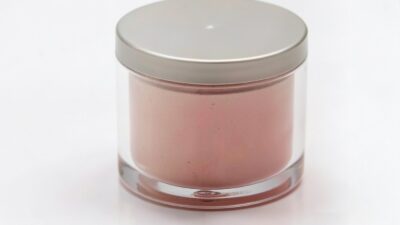
One of the most significant advantages of mineral makeup is its remarkable longevity. Due to the lack of preservatives found in conventional cosmetics, a jar or compact can last for an extended period – often well beyond a year. This translates directly to less frequent replacements and a considerable reduction in overall waste. many brands are actively implementing eco-friendly packaging solutions like recycled materials, minimal plastic designs, and even refillable options, further minimizing the product’s environmental footprint.
Transparency & Responsibility: Ethical Sourcing Practices
The growing demand for eco-friendly mineral makeup is extending beyond formulation to encompass responsible sourcing. Consumers aren’t just concerned with what goes into their products; they want to know where those ingredients originate and how they are produced. This has led to a rise in organic certifications, fair trade initiatives, and increased scrutiny of mining practices within the industry. Transparency regarding ingredient origins support trust and ensures that ethical considerations are prioritized throughout the supply chain.
Beauty Without Cruelty: A Commitment to Animal Welfare
The move towards sustainability also encompasses animal welfare concerns. Thankfully, a vast majority of reputable mineral makeup brands proudly declare themselves cruelty-free, refusing to test their products or ingredients on animals. Look for recognized certifications like Leaping Bunny to ensure that a brand aligns with your values and commitment to ethical consumption.
Making the Switch: Your Guide to Eco-Friendly Mineral Makeup
Transitioning to eco-friendly mineral makeup is easier than it might seem, and offers a rewarding experience with benefits for both you and the planet. Here’s a simple guide to get started:
- Research Brands: Seek out companies known for their commitment to sustainability, ethical sourcing, and transparency in ingredient disclosure.
- Read Labels Carefully: Familiarize yourself with common cosmetic ingredients and actively look for certifications like organic, fair trade, or cruelty-free labels.
- Start Small: Begin your journey with a single product, such as foundation or concealer. This allows you to become comfortable with the unique application texture, which can differ from traditional makeup.
- Consider Eco-Friendly Tools: Extend your sustainable efforts by pairing your mineral makeup with brushes made from bamboo, recycled plastic, or other eco-conscious materials.
- Embrace Imperfection: Mineral makeup is designed to enhance natural beauty rather than create a heavy, flawless look. Embrace your skin’s unique texture and imperfections – it’s part of what makes you beautiful!
The Future Looks Bright: Innovation & Conscious Consumerism
The trajectory for mineral makeup in the coming years is incredibly promising. Driven by heightened consumer awareness and demand for sustainable practices, we can anticipate continued innovation regarding ingredient sourcing, packaging materials, and even manufacturing processes. Brands that prioritize ethical business models and environmental responsibility are well-positioned to thrive as the beauty industry continues its essential transformation towards a more sustainable future.
As our conversation began, considering all these advantages—from reduced waste to skin-friendly formulations—what’s one small change you could make today to incorporate eco-friendly mineral makeup into your routine?
Navigating Common Misconceptions: Debunking Myths about Mineral Makeup
Many people are drawn to mineral makeup due to its eco-friendly reputation, but there are several misconceptions that need addressing.
Price Point: Quality Doesn’t Always Cost More
While some high-end brands capitalize on the demand for natural products, not all mineral makeup is overpriced. Many affordable options offer excellent quality and ethical sourcing while remaining accessible to a broader consumer base. Shopping wisely and doing research can help consumers find great products without breaking the bank.
Application: The Learning Curve isn’t Insurmountable
A common misconception is that mineral makeup requires extensive knowledge or skill to apply effectively. While it may take some time to get used to, the learning curve is manageable for most individuals. In fact, many people find that mineral makeup applies more smoothly and naturally than traditional cosmetics due to its finely milled texture.
Coverage: Full-Coverage Options Abound
Another common misconception is that mineral makeup only offers sheer coverage. While it’s true that some products focus on a more natural, lightweight finish, there are plenty of options available for those seeking fuller coverage. Brands have responded to consumer demand by creating a wide range of formulations designed to meet varying needs and preferences.
Practical Checklist: Embracing Eco-Friendly Mineral Makeup
1. Research brands and their practices, focusing on transparency, ethical sourcing, and sustainable packaging. 2. Familiarize yourself with ingredients, ensuring that you understand what goes into your products. 3. Don’t be swayed by high price points – affordable options can still deliver quality results. 4. Experiment with different application techniques to find what works best for you. 5. Be open to exploring new products and brands as the eco-friendly mineral makeup market continues to evolve.
A Final Thought: The Future of Mineral Makeup
As consumers become more conscious about their purchasing decisions, the demand for eco-friendly mineral makeup will only continue to grow. Brands that prioritize sustainability, transparency, and ethical practices are poised to thrive in this burgeoning market. By supporting these brands and making informed choices, we can contribute to a cleaner, greener beauty industry – one application at a time.
Here’s a soft question to engage readers: Which eco-friendly mineral makeup brand has impressed you the most, and why? Share your experiences in the comments below!
Here’s where people often get it wrong: Many assume that mineral makeup is inherently cruelty-free, but this isn’t always the case. While natural minerals themselves are byproducts of mining and do not require animal testing, some brands may still engage in animal testing or use ingredients derived from animals. To ensure a truly cruelty-free choice, it’s essential to look for brands that have been certified by organizations such as Leaping Bunny or PETA.
Practical Checklist for Choosing Eco-Friendly Mineral Makeup
Navigating the world of eco-friendly mineral makeup can seem daunting, but it’s easier than you think with this simple checklist:
- Ingredients: Look for products made primarily from zinc oxide, titanium dioxide, iron oxides, and ultramarines.
- Biodegradable Glitter: Opt for glitters made of cellulose or algae-based materials instead of plastic.
- Longevity: Choose products that offer extended wear and are free of preservatives, resulting in less frequent replacements.
- Packaging: Select brands that use eco-friendly materials, minimal plastic designs, or refillable options for packaging.
- Transparency: Choose brands that are open about their ingredient sources and ethical sourcing practices.
- Certifications: Seek out brands certified as cruelty-free by organizations such as Leaping Bunny or PETA.
In 2026, the rise of eco-friendly mineral makeup is not just a trend; it’s a testament to consumers’ growing desire for products that align with their values. By choosing brands that prioritize sustainability and ethics, you can enjoy beautiful, long-lasting makeup without compromising your principles or the planet.
What’s Next?
As you explore the world of eco-friendly mineral makeup, consider making a commitment to learning more about the industry and its impact. By supporting brands that prioritize sustainability, ethics, and transparency, you can help drive positive change within the beauty landscape. What steps will you take to make a difference?