Embrace Sustainable Style: Creating an Eco-Friendly Home
Welcome! You’re likely here because you’ve felt that growing urge to lessen your environmental footprint through conscious home décor choices—we share that desire. The rising consumer demand for trendy, eco-friendly home decor products demonstrates a shift towards more responsible living. But the question remains: how can we achieve a perfect balance between unique design and minimal environmental impact? Let’s explore five innovative eco-friendly home décor ideas to transform your living space into a sustainable yet stylish sanctuary.
The Rising Tide of Sustainable Home Decor Trends
The growing awareness of climate change has spurred significant changes in consumer behavior. People are no longer just purchasing products; they’re investing in values that resonate with their beliefs. This shift is especially prominent in home decor, where individuals actively seek out materials and practices aligned with sustainability commitments. From furniture to paint, every aspect of a living space offers an opportunity for positive change. This isn’t a fleeting fad—reports from major home decor retailers highlight the continued growth in demand for sustainable options, indicating that this is more than just a trend; it’s a fundamental shift in consumer priorities.
1. Reclaimed & Recycled Materials: Breathing New Life into Old Pieces
One of the most impactful ways to embrace eco-friendly home decor is by incorporating reclaimed or recycled materials. Forget mass-produced, factory-made items—think character, history, and a reduced carbon footprint! Repurposing materials is incredibly rewarding – consider old doors transformed into striking headboards, shipping pallets creatively repurposed as rustic coffee tables, or salvaged wood used for unique shelves and accent walls. The possibilities are endless, allowing you to create one-of-a-kind pieces that tell a story while diverting waste from landfills and reducing the demand for new resources. Beyond simply reducing waste, using reclaimed materials adds a distinctive character and charm to your space.
2. Sustainable Textiles: Comfort & Conscience in Every Fiber
The fabrics we choose have a significant impact on our indoor air quality and the environment. Conventional textiles often rely on synthetic fibers treated with harmful chemicals. A conscious alternative is to opt for natural, sustainable fibers like organic cotton, hemp, bamboo, linen, or grass cloth for walls, upholstery, curtains, and rugs. These options not only contribute to a healthier living space free from volatile organic compounds (VOCs) but also often boast a more elegant and textured aesthetic. Look for certifications such as GOTS (Global Organic Textile Standard) – these assurances confirm that the textiles are produced ethically and sustainably, from farm to finished product.
3. Illuminate Responsibly: Embracing Energy-Efficient Lighting
Lighting can be a major energy hog in most homes. Switching to more efficient options is an easy win for both your wallet and the environment. Swap out traditional incandescent bulbs – notorious for their inefficiency – with long-lasting, energy-efficient LED lights. Beyond saving money on electricity bills, LEDs significantly reduce your carbon footprint. Smart lighting systems that allow you to control brightness and schedules can further optimize efficiency. Don’t forget to maximize natural light sources by strategically placing mirrors and using sheer curtains to bathe your home in sunlight—a beautiful and sustainable design element.
4. Painting a Greener Picture: Choosing Low-VOC & Natural Paints
Traditional paints often contain high levels of VOCs (Volatile Organic Compounds), which pollute indoor air and contribute to environmental degradation. Opting for low-VOC or natural paints is an easy but impactful step toward creating a healthier living space. Look for formulations made with plant-based ingredients and minimal chemical additives. While the initial cost might be slightly higher, the long-term health benefits—for you and your family—and reduced environmental impact are well worth the investment. Many natural paint brands also offer beautiful color palettes and finishes.
5. Living Walls & Air Purification: Harnessing the Power of Houseplants
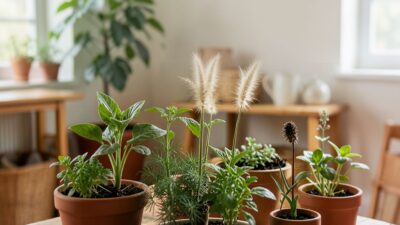
Houseplants offer far more than just aesthetic appeal; they provide numerous benefits to your home environment. They act as natural air purifiers, absorbing toxins like formaldehyde and benzene while releasing fresh oxygen, creating a more breathable and revitalizing space. Popular choices include the snake plant (Sansevieria trifasciata), spider plant (Chlorophytum comosum), peace lily (Spathiphyllum wallisii), and English ivy (Hedera helix). Integrating plants into your décor not only elevates the visual appeal but also contributes to a healthier, more sustainable lifestyle. Consider vertical gardens or strategically placed groupings for maximum impact.
Creating an Eco-Conscious Home: More Than Just Decor Choices
Embracing an eco-friendly lifestyle isn’t about drastic changes or sacrificing style; it’s about making conscious choices that align with your values. From furniture materials to paint formulations, every element of home décor presents an opportunity for positive change. By incorporating these innovative ideas—and continually seeking out new sustainable alternatives—you can create a beautiful living space that reflects both your personal aesthetic and your commitment to the planet. It’s about building a sanctuary where you feel good and contributing to something larger than yourself.
Considering this journey toward a more eco-conscious home, what one small change are you most excited to implement today?
Embracing the Full Scope of Eco-Friendly Home Decor: A Practical Checklist for a Sustainable Living Space
The True Cost of Conventional Home Décor Choices
While the allure of trendy, eco-friendly home decor products is growing, it’s essential to understand that not all sustainable choices are equal. Some products may carry a higher environmental cost due to their production methods or materials sourcing. For instance, certain “eco-friendly” textiles can contribute to deforestation if not responsibly harvested. Here’s where people get this wrong: merely labeling a product as eco-friendly doesn’t necessarily mean it is truly sustainable.
Practical Tips for Making Eco-Conscious Choices
1. Research the lifecycle of products: Investigate where materials come from, how they are processed, and how they will be disposed of. Opt for items with minimal environmental impact throughout their entire life cycle. 2. Look for certifications: Certified eco-friendly products meet specific sustainability standards. Organizations like the Forest Stewardship Council (FSC) or GreenGuard can provide assurances that wood and textiles are sourced responsibly and free from harmful chemicals, respectively. 3. Choose quality over quantity: Invest in durable, well-made pieces that will last longer, reducing waste and the need for replacements. 4. Support local artisans: Handcrafted items often have a lower carbon footprint due to reduced transportation emissions. Plus, you’ll be supporting your community! 5. Repair and upcycle when possible: Instead of buying new, consider repairing or upcycling existing pieces to extend their lifespan.
The Art of Balance: Achieving a Sustainable Living Space that Stands Out
Striking the perfect balance between unique design and minimal environmental impact requires thoughtful planning and intentional choices. By incorporating reclaimed and recycled materials, sustainable textiles, energy-efficient lighting, and conscious furniture options, you can create a living space that not only reflects your style but also supports a more sustainable future.
Closing Thoughts: A Soft Question to Ponder
As you begin transforming your living space into a sustainable sanctuary, consider this: how will the choices you make today contribute to a greener tomorrow? By consciously choosing eco-friendly home decor, you’re not only reducing your environmental footprint but also inspiring others to do the same. So, what eco-friendly home decor changes will you make first in your journey towards a more sustainable lifestyle?