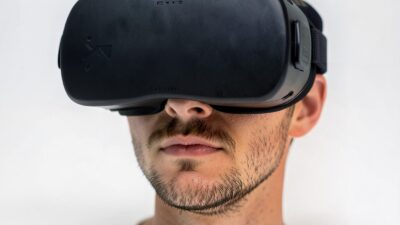
Revolutionizing the Runway: Virtual Reality Fashion Shows in 2026
The convergence of technology and fashion has open up a truly meaningful experience: Virtual Reality (VR) Fashion Shows. No longer constrained by physical spaces or exclusive guest lists, these events are reshaping how designers showcase their work and consumers engage with style.
The industry is undergoing undeniable evolution. A wave of innovation is sweeping through the sector as brands explore new avenues for connecting with audiences and pushing creative boundaries. The immersive nature of VR—its ability to transcend limitations—offers viewers experiences previously unimaginable.
The Dawn of Immersive Experiences: Why Virtual Reality Fashion?
The core appeal of VR fashion shows lies in their capacity to create genuinely immersive environments. Designers are freed from the constraints of physical space and logistics, allowing them to craft fantastical, interactive settings that amplify the message conveyed through their collections. Envision a show unfolding on a floating island amidst clouds, within an underwater coral reef, or inside a vibrant digital heart – with virtual reality, these possibilities become tangible.
Heidi Klum: A Pioneer in Fashion-Tech Innovation
While VR fashion is a relatively recent development, certain figures have been instrumental in its rising popularity. Heidi Klum, a visionary in the fashion industry and celebrated host of Project Runway, has actively embraced this technology. Her contributions demonstrate VR’s potential not only for entertainment but also to redefine the very nature of runway presentations – proving it’s far more than mere novelty.
The Rise of Digital Fashion: Beyond Physical Garments
The growing prominence of virtual reality is intrinsically linked with the burgeoning field of digital fashion. This isn’t merely showcasing clothing in a virtual environment; it’s about creating entirely new forms of style that exist solely within the digital space. These garments and accessories, often designed for avatars in online games or social platforms like Decentraland, are gaining traction among younger audiences – signaling a shift toward a more metaverse-integrated fashion culture. Digital fashion open up design possibilities previously unimagined by physical constraints; garments can flow in zero gravity, change color dynamically, or even incorporate interactive elements.
Accessibility and Sustainability: Dual Advantages of VR Fashion Shows
The benefits of VR fashion shows extend far beyond captivating visuals. A primary advantage is enhanced accessibility. These events are no longer limited by geography—anyone with a VR headset can attend and experience the show in real-time, support greater inclusivity within the industry. A student in Tokyo or a retiree in rural Montana can have an equal opportunity to witness cutting-edge design firsthand.
Virtual productions significantly reduce the environmental impact typically associated with traditional runway shows. This includes eliminating international travel for models and staff, minimizing waste from physical set construction (which often ends up discarded), and lowering overall carbon emissions. This shift aligns with a growing consumer demand for sustainable practices within the fashion industry.
Luxury Brands and Tech: Forging Collaborative Partnerships in Virtual Worlds
The fusion of fashion and technology is fueling a surge in collaborative partnerships. High-end luxury brands are increasingly teaming up with tech companies to use expertise in virtual reality, augmented reality (AR), and blockchain technologies. These collaborations enable designers to experiment with innovative presentation formats—holographic models, interactive set design – explore new digital assets like NFTs tied to exclusive garments, and create truly unique experiences for consumers that build brand loyalty and generate excitement.
The Economic Landscape of Virtual Fashion: New Markets Emerge
The economic implications of VR fashion are still unfolding as the market matures. While precise data on total market size is still emerging alongside adoption rates, the potential for revenue generation is substantial. Designers can sell virtual garments directly to online audiences via marketplaces and NFT platforms, brands can generate new marketing opportunities through immersive experiences, and consumers gain access to exclusive content, virtual events, and digital collectibles tied to their favorite designers.
The rise of the creator economy also empowers individual fashion designers—they don’t necessarily need backing from a large brand to showcase their work and reach a global audience using VR technology. This democratization of design supports creativity and innovation across the board.
Navigating the Challenges: Bandwidth, User Experience, and Adoption Hurdles
The widespread adoption of VR fashion shows isn’t without its challenges. Reliable high-bandwidth internet access remains a barrier for some potential viewers—particularly in developing nations or rural areas. Ensuring a comfortable and user-friendly experience through intuitive interfaces and optimized graphics is crucial to maximizing audience engagement and mitigating motion sickness.
The initial “wow” factor can also fade if VR experiences aren’t consistently updated with fresh content and innovative features. Designers must continuously find ways to surprise and delight audiences to maintain their interest in virtual fashion shows.
Looking Ahead: The Hybrid Future of Fashion Shows
The future likely involves a hybrid approach, blending the excitement of virtual experiences with aspects of traditional runway presentations. Imagine attending a physical show featuring select models while simultaneously experiencing an expanded VR environment showcasing the full collection and allowing for greater audience participation. The possibilities are vast, and the journey has only just begun.
As technology continues to advance and accessibility improves, expect to see even more innovative applications of virtual reality in fashion – from personalized styling experiences to entirely new forms of artistic expression. The convergence of these worlds promises a dynamic and exciting future for both designers and consumers alike. What immersive detail do you think will be the next big innovation we’ll see incorporated into VR fashion shows?
The Future of Fashion: Breaking Barriers with Virtual Reality Shows
Navigating the Challenges of VR Fashion Shows
Although virtual reality fashion shows offer unprecedented opportunities for creativity and inclusivity, they are not without their challenges. Here’s where people often get it wrong: assuming that VR is a one-size-fits-all solution for all aspects of the fashion industry. However, as with any technological advancement, success hinges on understanding its limitations and adapting accordingly.
Balancing Artistry and Accessibility
While virtual reality can create stunning, immersive environments, it’s essential to remember that these shows are still meant to showcase physical garments. Designers must ensure that their creations translate well within the digital realm while maintaining the tactile qualities that set them apart. Striking this balance is crucial for ensuring a smooth and engaging experience for viewers.
The Human Element: Keeping Connection Alive
One area where VR fashion shows might struggle is support emotional connections between designers, models, and audiences. The absence of physical interaction can make it challenging to convey the raw emotion and energy that often accompany traditional runway shows. To combat this, brands may need to find creative ways to incorporate human elements into their virtual presentations—perhaps through live Q&A sessions or interactive experiences that engage viewers on a deeper level.
A Practical Checklist for Hosting Successful VR Fashion Shows
1. Clearly define the purpose and objectives of your show, focusing on both creative expression and audience engagement. 2. Invest in high-quality production values to ensure an immersive experience that transcends limitations. 3. Collaborate with experts in both fashion and technology to create a smooth blend of physical garments and digital environments. 4. Experiment with different formats, such as live performances or interactive elements, to keep viewers engaged and entertained. 5. Prioritize accessibility by making your show accessible to people around the world through various VR platforms. 6. Consider the environmental impact of your production and implement eco-friendly practices wherever possible. 7. support emotional connections between designers, models, and audiences through live interactions or engaging content.
Closing Thoughts: Embracing the Future of Fashion in a Digital World
Virtual reality fashion shows mark an exciting new chapter for the industry, offering unique opportunities to push creative boundaries, connect with global audiences, and champion sustainability. As we continue to explore this burgeoning technology, it’s crucial to remember that embracing change requires adaptability and innovation. So let us look deeper into this realm of fashion-tech collaboration and empower a future where the catwalk is no longer confined by physical space.
Are you ready to join this revolution and redefine the way we experience and perceive fashion? Let’s transform the landscape together – one pixelated runway at a time.