Exploring the Spiritual Significance of Diwali: The Festival of Lights
Diwali, a captivating festival illuminating homes and hearts globally, is often seen as a vibrant display of lights and joyous celebration. But beyond the dazzling spectacle lies a profound spiritual significance, interwoven with ancient mythology, historical events, and universal messages of hope and renewal. This article aims to explore the deeper meaning behind this beloved festival.
The Enduring Symbolism: Light Conquering Darkness
At its core, Diwali is a powerful symbol representing victory—the triumph of good over evil, light over darkness, and knowledge over ignorance. It’s more than just an aesthetic display; it’s a poignant reminder that even in the most challenging times, hope and positivity can, and will, prevail. This central theme resonates deeply within Hindu beliefs, but also finds parallels in other traditions who observe the festival with their own interpretations and customs.
The Story of Rama’s Homecoming: An Allegory for Life’s Journey
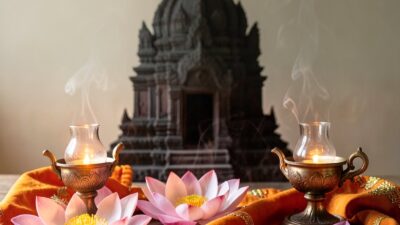
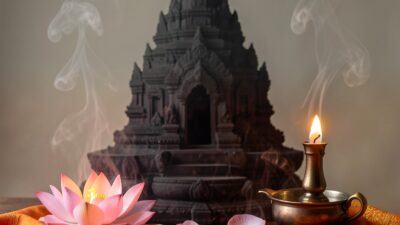
The most well-known narrative associated with Diwali recounts the joyous homecoming of Lord Rama to Ayodhya after fourteen years of exile, marked by his victory over the formidable demon king Ravana. His return was celebrated with the lighting of countless diyas (oil lamps), symbolizing the triumph of righteousness (Dharma) over unrighteousness (Adharma). The community’s collective effort in illuminating the path for Rama acts as a visual metaphor for seeking inner guidance and support.
Beyond its historical context, this story serves as an allegorical representation of overcoming adversity and upholding moral principles even when confronted with difficult circumstances. It reinforces the enduring belief that truth and virtue will ultimately triumph over evil and lead to ultimate success.
Diwali’s Timing: An Astrological Alignment & Lunar Significance
Diwali isn’t celebrated randomly; its timing is determined by the Hindu lunar calendar, typically falling between mid-October and mid-November in the Gregorian calendar. The festival specifically occurs on Amavasya—the new moon night of Kartika month. This celestial alignment isn’t arbitrary: the new moon embodies a period of introspection and spiritual renewal – a time to turn inward before ushering in a fresh chapter. The darkness itself represents the ignorance we must overcome, which is later chased away by the light.
This precise timing coincides with astrologically auspicious events, amplifying the festival’s inherent spiritual energy and creating a particularly potent atmosphere for celebration and reflection.
Preparing Your Space & Spirit: Cleansing and Renewal Traditions
A key ritual preceding Diwali involves thorough house cleaning. However, it’s not merely about aesthetics; this deep cleaning is symbolic—it represents clearing away negativity and obstacles from both our physical spaces and our minds. Removing clutter allows us to welcome Lakshmi, the revered goddess of prosperity and abundance, into our lives.
This process goes beyond surface-level tidying; it’s a mindful exercise—a deliberate commitment to creating space for positivity and promoting personal spiritual growth.
Chaturmasya: A Season Dedicated to Spiritual Discipline
The four-month period leading up to Diwali, known as Chaturmasya, is traditionally marked by intensified spiritual discipline. Many Hindus use this time for fasting, dedicated meditation practices, and self-reflection. It’s an intentional opportunity to deepen their connection with the divine and to refine their character through mindful engagement.
This isn’t about adhering to strict rules; rather, it’s about setting aside deliberate time within daily life to focus on inner peace and growth—laying a strong foundation for the Diwali celebrations themselves.
Honoring Krishna & Expressing Gratitude: The Significance of Govardhan Puja
The fourth day of Diwali is devoted to Govardhan Puja, commemorating Lord Krishna’s intervention in protecting villagers from torrential rains by lifting the Govardhan Hill. It’s a powerful celebration of gratitude – a time to acknowledge blessings and demonstrate unwavering faith when facing overwhelming challenges.
Traditional delicacies like Khichdi (a comforting savory rice dish), Peda, and Laddu are prepared as offerings to Lord Krishna, furthering the sense of community and shared devotion.
Diwali’s Universal Appeal: Celebrating Light Across Cultures & Faiths
The beauty and enduring appeal of Diwali lie in its inclusivity. While primarily observed by Hindus, it holds considerable significance for Jains (commemorating Mahavira’s liberation) and Sikhs (honoring Guru Hargobind Ji’s release from imprisonment). Each community adapts the core message to resonate with their own distinct traditions while retaining a common thread: the universal triumph of light over darkness.
This shared celebration highlights the widespread human longing for peace, prosperity, and spiritual fulfillment that knows no religious boundaries – a truly unifying event.
Illuminating Your Inner Self Through Diwali’s Message
Diwali represents far more than just an annual tradition; it serves as a potent symbol of hope, renewal, and the enduring power of good. It constantly reminds us to not only illuminate our homes with lights but also to cultivate enlightenment within ourselves – nurturing virtues like compassion, generosity, and understanding.
As we reflect on this beautiful celebration and its rich historical context, consider what Diwali inspires within you—what does it represent in your personal journey towards light and betterment? Share your thoughts and experiences of this special festival in the comments below.
As we look deeper into the spirit of Diwali, it’s essential to understand that this festival is not merely a celebratory event but a profound call to action. Here’s where people often get it wrong; they focus solely on the external aspects of Diwali, such as the dazzling lights and festivities, while overlooking its internal implications.
A Practical Checklist for Embracing Diwali’s Spiritual Message
1. Introspection: Take time to reflect on your life’s journey, assessing where you have triumphed over adversity and upheld moral principles. Contemplate areas in which you can improve and commit to making positive changes.
2. Cleansing: Cleanse your space—both physical and mental—to create a conducive environment for positivity and personal growth.
3. Community: Share the spirit of Diwali with others—through acts of kindness, mutual support, and collective efforts towards illuminating the path for righteousness.
Closing Thoughts: A Beacon of Hope in Dark Times
Diwali, the Festival of Lights, is more than a dazzling spectacle; it’s a call to action—a reminder that even in the darkest times, hope and positivity can prevail. By embracing its spiritual message, we not only celebrate the triumph of good over evil but also cultivate a brighter future for ourselves and generations to come.
As you prepare to celebrate Diwali this year, remember to look deeper into its rich spiritual significance. Let the story of Rama’s homecoming inspire your personal journey towards righteousness and prosperity. And above all, let the light that illuminates your homes and hearts serve as a beacon of hope in these challenging times.
How will you embrace Diwali’s spiritual message this year? Share your thoughts below and join us in celebrating the triumph of light over darkness!
Here’s where people get this wrong: Diwali is often mistakenly reduced to mere festivities and materialistic pursuits. However, the essence of Diwali transcends external manifestations, emphasizing inner transformation, spiritual growth, and the triumph of light over darkness, knowledge over ignorance, and good over evil.
A Practical Checklist for Diwali Celebration
- Cleanse your home and mind, removing clutter and negative energy.
- Illuminate your space with oil lamps (diyas) to symbolize the victory of light over darkness.
- Participate in community events that promote unity and collective efforts.
- Reflect on moral principles, seeking guidance and support during challenging times.
- Celebrate the story of Lord Rama’s homecoming as an allegory for overcoming adversity and upholding righteousness.
- Recognize the astrological alignment and lunar significance that elevates the spiritual energy during Diwali.
In Closing: As we light our diyas this Diwali, let us remember the profound spiritual significance of this festival. It’s a beacon that guides us through the darkness, illuminating our path towards personal growth, prosperity, and the triumph of good over evil.
So, as you prepare for Diwali, consider: How can this celebration help you embrace the spiritual values it embodies? What steps will you take to honor its rich history and meaningful power in your own life?