Written: July 8, 2026 · Updated: August 7, 2026
Ancient Echoes: Exploring Prayer Practices Across Cultures and Faiths
In the quiet sanctum of a remote monastery, a monk kneels in contemplative prayer, lost in whispered words that echo through centuries. Across continents, under the watchful gaze of a Buddha statue, another soul seeks inner peace through meditation. This is just a glimpse into the vast and varied world of ancient prayer techniques—each possessing its own unique origins, traditions, and power to connect us with something greater than ourselves.
The Carmelite Tradition: Finding Stillness on Mount Carmel
The rugged landscape of Mount Carmel in Israel cradles a rich spiritual heritage, primarily linked to the 13th-century Carmelite Order. Their practice emphasizes contemplative prayer—a focused and silent communion with the divine— alongside memorization of biblical passages. Early Carmelites, living as hermits on the mountain, sought intense closeness to God, developing practices that prioritized stillness and deep introspection. This devotion isn’t merely a historical footnote; it continues to inspire spiritual seekers worldwide through its emphasis on cultivating a direct relationship with the divine. The discipline requires patience and support a profound sense of inner peace.
Buddhist Devotion: Awareness Through Ritual & Mindfulness
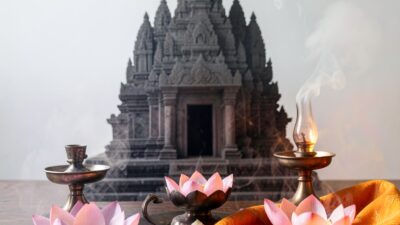
Within Buddhism, devotion—often expressed as bhakti—plays an essential role in spiritual growth. This isn’t solely about religious observances; it encompasses deep commitment and reverence for sacred objects and teachings. The spectrum of practices is wide-ranging, including complex meditation techniques designed to quiet the mind and cultivate awareness, alongside offerings of flowers, incense, and food. Beyond mere symbolism, images like the lotus flower serve as visual reminders – purity emerging from challenging circumstances—reflecting the potential for profound growth within spiritual practice. Understanding this context highlights how intention is paramount in Buddhist devotional acts.
Decoding Ancient Symbols: Universal Meanings Across Cultures
A fascinating and recurring element across ancient cultures is the prevalence of symbolic representations. Consider the swastika – a symbol tragically misunderstood due to its association with harmful ideologies in modern times. For centuries prior to this misuse, this emblem held profoundly positive significance for diverse regions such as the Indus Valley Civilization and within Hindu traditions. It often represented good fortune, spiritual harmony, and the cyclical nature of existence—a testament to its universal appeal even when misappropriated. Examining these symbols offers insight into shared human values across vast periods of history.
Taoist Harmony: Aligning with the Flow of Existence
The philosophy of Taoism presents a unique perspective on spirituality, centered around achieving harmony with the natural world. Prayers in this tradition aren’t always vocalized; they’re frequently expressed through meditation and ‘chi’ cultivation – practices aimed at balancing body, mind, and spirit. The ultimate aim isn’t simply spiritual advancement but to merge with the Tao, the underlying principle of all existence, experiencing a deep connection with everything around us. This holistic approach extends beyond individual practice to emphasize reverence for nature and the interconnectedness of life.
Islamic Prayer (Salah): A Daily Ritual of Connection & Discipline
The call to prayer, or ‘adhan’, stands as one of Islam’s most recognizable markers – a melodic invocation summoning believers to perform ‘Salah,’ structured prayers guided by the Quran and Hadiths (the sayings and actions of Prophet Muhammad). These prayers are much more than rituals; they represent moments for direct communication with God, strengthening faith and support a sense of community. The discipline reinforces values of humility, gratitude, and mindfulness within daily life.
Jewish Liturgy: Traditions Connecting Generations
Within Judaism, prayer isn’t restricted to specific times or locations; it weaves its way into the fabric of everyday existence—from morning blessings expressing gratitude to Sabbath observances marking rest and reflection, and the solemnity surrounding significant holidays. The Shema, a declaration of monotheism affirming devotion to one God, along with the Kaddish, a mourner’s prayer offering solace and remembrance, form foundational pillars within Jewish practice. These traditional expressions not only establish a link to heritage but also provide comfort, guidance, and a feeling of belonging passed down through generations.
Christian Contemplation: Finding Inner Peace Through Reflection
A hallmark characteristic within Christianity, particularly among monastic orders like the Carmelites, is contemplative prayer – a deeply personal connection with God cultivated beyond words or rituals. This practice demands patience and perseverance but yields profound rewards—a sense of inner peace, heightened clarity, and renewed faith that can strengthen one’s spiritual foundation.
The Universal Search for Meaning
The exploration of these diverse practices reveals a striking truth – despite variations in deities, scriptures, and ritualistic structures, the human desire for a deeper connection to something greater than ourselves remains constant across time and cultures. It speaks to a fundamental need to transcend the everyday and grasp at meaning beyond our immediate reality.
As we revisit the image of that solitary monk on Mount Carmel, kneeling in profound contemplation, a poignant realization emerges: the paths leading to devotion are many, yet all ultimately point toward the same ultimate truth—a deepened understanding of our place within the cosmos. Considering these diverse approaches, what ancient practice resonates most profoundly with your own spiritual inclination?
Delving Deeper into Prayer Practices: A Comparative Study
Here’s where people get this wrong
It’s essential to understand that prayer isn’t limited to verbal communication or formal rituals. Across cultures, the essence of prayer can be found in actions, symbols, and meditation that reflect a deep connection with something greater than oneself.
The Taoist Practice: Aligning with the Invisible Threads
Taoism invites us to tap into the rhythm of existence by cultivating harmony with nature. Prayers are often expressed through meditation and chi cultivation, emphasizing balance between body, mind, and spirit. The ultimate goal is not just spiritual advancement but a merging with the Tao, experiencing unity with all that surrounds us.
Sufi Whirling: A Dance of Devotion
Within Sufism—the mystical branch of Islam—devotees engage in whirling dances as a form of prayer. This ritual serves not only as an act of worship but also as a means to lose oneself in the divine presence, symbolizing the spin of existence itself. Through this dance, individuals seek transcendence and unity with the universe.
African American Ring Shouts: A Testament to Perseverance
Originating from West African religious traditions brought to the Americas through the transatlantic slave trade, ring shouts were a powerful form of spiritual expression among enslaved Africans. These communal rituals allowed participants to sing and dance in circles, creating an auditory connection with their ancestors. In times of hardship, these prayers served as a source of strength and unity, offering hope amidst oppression.
Practical Checklist for Exploring Prayer Practices:
1. Research the prayer practices specific to your faith or cultural background. 2. Find opportunities to engage with elders or spiritual leaders who can provide guidance on traditional methods. 3. Embrace curiosity and be open-minded when learning about practices from other religions or cultures. 4. Reflect upon how these ancient techniques can enrich your own prayer life, regardless of faith. 5. Share what you’ve learned with others, support understanding and appreciation for the rich diversity of spiritual practices worldwide.
Closing Thoughts: A Journey Worth Taking
Delving into the world of prayer practices across cultures is more than just an academic exercise; it offers a chance to connect deeply with our shared humanity. As you explore these ancient echoes, may you find wisdom, inspiration, and a sense of unity that transcends borders and beliefs—a reminder that despite our differences, we are all seeking something greater than ourselves.
So, where will your journey take you? What ancient prayers or practices have you discovered along the way? Share your thoughts with us as we continue to uncover the rich tapestry of spirituality woven throughout human history.