Creating Eco-Friendly Slime Kits for Kids’ DIY Fun: A Guide to Sustainable Crafting
Have you ever considered the hidden environmental impact of children’s craft supplies? As parents, educators, or simply individuals dedicated to protecting our planet, it’s increasingly vital to merge creativity with responsibility. Traditional slime recipes often rely on ingredients that aren’t exactly gentle on the environment. But what if we could generate just as much – or even more – fun while minimizing harm?
This guide explores how to craft delightful, eco-friendly slime kits that spark imagination and cultivate a sense of environmental awareness in young minds.
Why Embrace Eco-Friendly Slime Kits?
The rising concern over plastic waste and harmful chemicals has understandably prompted many towards sustainable alternatives. Conventional slime frequently contains borax or other potentially risky chemicals, particularly concerning for younger children who may explore things by putting them in their mouths. Choosing eco-friendly options reduces exposure to these substances while also significantly lowering your environmental footprint. opting for reusable containers instead of single-use plastic pouches enhances the overall sustainability.
Rethinking Kit Components: It’s More Than Just Slime!
An eco-friendly slime kit isn’t solely about the slime itself; it encompasses a holistic and enriching experience. Think beyond just the gooey fun and consider these additions to enhance your kits:
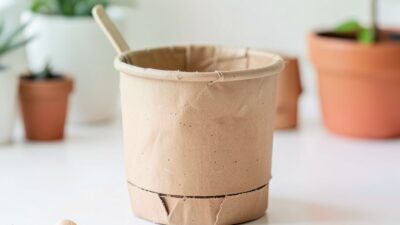
- Sustainable Containers: Ditch disposable plastic bags and embrace reusable jars, small tins, or even creatively upcycled containers like thoroughly cleaned yogurt pots.
- Natural Colorants: Say goodbye to artificial dyes! open up a spectrum of colors using natural colorants derived from fruits, vegetables, or spices. Beet juice yields pink hues, turmeric creates yellow, spinach puree provides green – the possibilities are truly endless!
- Eco-Friendly Decorations: Resist the temptation of glitter (a major contributor to microplastic pollution). Instead, opt for biodegradable confetti crafted from dried leaves or flower petals. Small wooden beads, acorns, and pinecones add natural texture and charm.
- Plantable Seeds: Include a few seeds nestled in small pots to introduce children to the concepts of growth and responsibility – nurturing both plants and their sense of care.
Understanding Eco-Friendly Slime Recipes: The Science Behind the Fun
The heart of any slime kit lies, naturally, within the slime itself. Several recipes use more sustainable ingredients that can be equally exciting and engaging:
- Psyllium Husk Slime: This unique recipe use psyllium husk powder (commonly found as a dietary fiber supplement) combined with water to form a stretchy, gelatinous substance.
- Cornstarch Slime: A simple combination of cornstarch and conditioner or lotion yields a soft, pliable slime that’s easy for little hands to manipulate.
- Chia Seed Slime: Soaking chia seeds in water results in a distinctive, sensory-rich experience. This method provides not only entertainment but also demonstrates the natural biodegradability of organic materials.
Always supervise children while making slime as these recipes can vary in texture and may require adjustments based on ingredients used. Thoroughly research and test any new recipe before incorporating it into your kit to ensure safety and consistency.
Drawing Inspiration from Sustainable Brands: Learning from Leaders
Examining the practices of companies already committed to sustainability provides invaluable insights. Consider The Matchbox toy company, even decades ago with their military vehicle kits – they thoughtfully included diorama bases for added creative play! This concept is beautifully adaptable to eco-friendly slime kits. Brands like Miraculous, known for prioritizing sustainability, offer environmentally friendly giveaways and promotional materials, demonstrating a deep commitment to environmental responsibility. Even brands focused on animation like The Toy Box can provide inspiration; their emphasis on STEM education offers ideas for incorporating educational elements into your own sustainable craft kits – the key takeaway here is that numerous companies are actively pursuing greener solutions.
Sourcing Sustainable Materials Responsibly: A Commitment to Quality and Ethics
The accessibility of eco-friendly materials has significantly increased! Numerous websites specialize in zero-waste supplies, offering a wide range of options from biodegradable glitter to plantable seed paper. When possible, support local businesses that genuinely prioritize sustainable practices when sourcing components for your kits. Critically assess supplier claims – always look for certifications and transparent information detailing their environmental policies.
Packaging with Purpose: Minimizing Waste Footprint
The packaging plays a crucial role in reinforcing the eco-friendly ethos of the slime kit. Actively avoid excessive plastic wrapping! Instead, opt for recycled cardboard boxes, compostable bags, or reusable fabric pouches to present your kits beautifully while significantly minimizing waste. Printing on recycled paper with soy-based inks further reduces the environmental impact.
The Educational Opportunity: Cultivating Environmental Stewardship in Young Minds
Creating eco-friendly slime kits transcends mere crafting – it’s a powerful opportunity to educate children about the significance of sustainability and responsible consumption. Explain where materials originate, how they benefit the environment, and why minimizing waste is so vital. This immersive, hands-on experience can instill lifelong values that extend far beyond playtime.
Beyond the Kit: Building Sustainable Crafting Habits for Life
Encourage children to continue their eco-conscious crafting journey long after the initial kit has been use. Offer practical ideas for upcycling scrap materials, repurposing containers, and finding inventive ways to reduce waste. Transforming crafting into a genuinely environmentally responsible activity reinforces crucial lessons about conservation and sustainability.
Bringing it all Together: Designing Your Complete Kit
Ultimately, creating eco-friendly slime kits involves blending ingenuity, resourcefulness, and an unwavering commitment to sustainable practices. It’s more than just providing children with enjoyable activities; it’s support a connection with the environment and inspiring future generations to become responsible stewards of our planet.
Considering all these elements, what unique and engaging combination of natural materials do you think would create the most captivating eco-friendly slime kit?
Delving Deeper into Eco-Friendly Slime Kits: Tips for Success and a Checklist to Keep You on Track
Here’s Where People Get This Wrong
It’s essential to remember that eco-friendliness isn’t just about the ingredients—it’s also about reducing waste throughout the entire crafting process. Encourage children to reuse their slime containers for future projects, and encourage creativity by repurposing everyday items as tools or decorations.
Practical Checklist for Sustainable Slime Kits
1. Use eco-friendly ingredients such as psyllium husk, cornstarch, or chia seeds to create the slime itself. 2. Opt for reusable containers (e.g., jars, small tins, or upcycled containers) instead of single-use plastic pouches. 3. Embrace natural colorants derived from fruits, vegetables, and spices to add vibrant hues without resorting to artificial dyes. 4. Choose biodegradable decorations like dried leaves, flower petals, wooden beads, or pinecones over traditional glitter. 5. Include plantable seeds in small pots to nurture a sense of care and responsibility. 6. Encourage the reuse of slime containers for future crafting projects. 7. Promote creativity by repurposing everyday items as tools or decorations.
A Stronger Closing Section
As we look deeper into the world of eco-friendly slime kits, remember that every small action can make a significant difference in reducing our environmental footprint and support a love for sustainability in young minds. So the next time you’re searching for a fun, creative activity to engage children, consider crafting an eco-friendly slime kit. And as they delight in their creations, spark discussions about the importance of caring for our planet.
Now that you have this guide, what other sustainable materials or unique slime recipes can you incorporate into your eco-friendly crafting adventures?