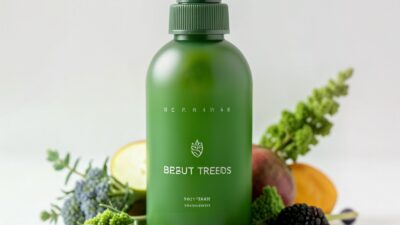
Embracing the Green Beauty Revolution
Welcome to a world where beauty and responsibility intertwine. In this article, we’ll look into the burgeoning rise of sustainable skincare and the prominent green beauty trends set to define the industry in 2026. You’ve undoubtedly noticed the increased prevalence of eco-friendly skincare products – from minimalist formulations emphasizing clean ingredients to innovative packaging designed for biodegradability, and a steadfast commitment to cruelty-free practices. This shift signifies more than just a fleeting trend; it’s a fundamental evolution in consumer values.
The growing awareness surrounding environmental impact has fueled an escalating demand for brands aligned with conscientious principles. We’re moving beyond merely wanting effective skincare; we now seek products that positively contribute to the planet and uphold ethical standards.
The Enduring Influence of K-Beauty
Korean beauty (K-beauty) has fundamentally impacted the global skincare landscape, propelling innovative products onto the international stage. Its emphasis on gentle yet highly effective formulations, coupled with a commitment to unique ingredients – think fermented extracts and sheet masks – established a precedent that the wider beauty industry is now diligently striving to emulate. The “glass skin” ideal and multi-step routines pioneered in Korea continue to inspire consumers worldwide seeking healthy, radiant complexions. The influence extends beyond just product innovation; K-beauty has also championed transparency regarding ingredient lists and manufacturing processes, setting a new standard for accountability.
A Surge in Eco-Conscious Consumerism
The 2020s have witnessed an unprecedented surge in demand for eco-friendly skincare. Consumers are no longer passive recipients of conventional practices; they’re actively researching brands and scrutinizing ingredients lists, demanding greater transparency. The rise of social media has dramatically amplified this trend, allowing consumers to share information, experiences, and hold companies accountable.
A notable example is Clarins, a brand that’s consistently integrated plant extracts into its formulations since its inception. Their longstanding dedication to botanical actives has cemented their position as a respected luxury skincare brand globally – demonstrating convincingly that efficacy and sustainability can coexist harmoniously. Beyond large corporations, the rise of smaller, independent brands focused on zero-waste practices and ethical sourcing highlights the consumer’s desire for genuine change.
The Allure of Minimalist Skincare Routines
The minimalist philosophy extends far beyond interior design; it’s significantly influencing how we approach our skincare routines. Consumers are increasingly rejecting overly complex formulations packed with harsh chemicals in favor of simpler, more natural ingredients – often seeking multifunctional products that streamline their routine. Fewer steps don’t equate to fewer results. In many cases, the most effective routine is one that focuses on gentle cleansing, targeted treatments addressing specific concerns, and consistent hydration. This approach aligns perfectly with a desire to reduce consumption and waste within the beauty industry.
Zero-Waste Packaging: Reducing Our Footprint
The environmental consequences of traditional packaging – mountains of plastic bottles ending up in landfills – are becoming increasingly apparent, driving a critical shift towards zero-waste alternatives. Brands are now actively investing in biodegradable materials like glass, recycled paper, and innovative plant-based plastics to minimize their impact.
Refillable options and concentrated formulas that require less packaging are gaining considerable popularity, empowering consumers to directly contribute to waste reduction efforts. Companies are experimenting with novel solutions such as waterless beauty products (concentrates needing only added water) to significantly reduce shipping weight and packaging needs.
Ethical Beauty: Prioritizing Cruelty-Free & Vegan Options
The welfare of animals has emerged as a central concern for many consumers. As a result, the demand for cruelty-free and vegan skincare products is soaring. Brands are responding with innovative formulations that exclude animal-derived ingredients while maintaining effectiveness, often using plant-based alternatives.
Look for certifications like Leaping Bunny or The Vegan Society to ensure brands adhere to rigorous ethical standards and provide verifiable assurance of their commitment. Beyond just product formulation, ethical considerations now encompass fair labor practices and responsible sourcing throughout the supply chain.
Personalized Skincare: A Tailored Approach
The one-size-fits-all approach to skincare is rapidly becoming obsolete. Advances in technology, including AI-powered skin analysis apps and personalized online consultations with dermatologists or estheticians, have made it easier than ever to tailor routines based on individual skin types, concerns, and lifestyles.
This level of customization allows for targeted treatments that address specific issues like hyperpigmentation, acne, or signs of aging while minimizing potential irritation or adverse reactions. The ability to receive tailored ingredient recommendations based on a deeper understanding of your skin’s microbiome is also contributing to this trend.
Microbiome Skincare: Nurturing Skin’s Natural Ecosystem
The skin microbiome – the intricate community of bacteria residing on our skin’s surface – plays a vital role in maintaining its health and resilience. Understanding the impact of these microorganisms is revolutionizing skincare, with brands now prioritizing formulations that support this delicate ecosystem.
These products often contain prebiotics (food for beneficial bacteria) and probiotics (live cultures) to nourish the good bacteria and cultivate a more balanced environment, leading to improved barrier function, reduced inflammation, and enhanced overall skin health. The focus is on promoting harmony rather than sterilization.
Adaptogens: Harnessing Nature’s Resilience
The spotlight is shining brightly on adaptogenic ingredients – natural compounds derived from plants like ashwagandha and reishi mushroom – for their potential to combat stress and mitigate premature aging. These powerful botanicals help the skin adapt to environmental stressors like pollution and UV radiation, promoting a more resilient and youthful appearance.
The appeal lies in their ability to address not just superficial signs of aging but also the underlying factors contributing to skin health decline.
Looking Ahead: The Future of Sustainable Beauty
The green beauty revolution is no longer on the horizon; it’s firmly established as a powerful force within the skincare industry. By consciously choosing sustainable products and actively supporting brands committed to ethical practices, we can collectively contribute to protecting our planet and shaping a more responsible future for beauty.
As we look forward to 2026 and beyond, continued innovation in ingredient sourcing, packaging solutions, and personalized formulations will further solidify the momentum towards a more conscious and sustainable beauty landscape. Considering how deeply intertwined your personal skincare routine is with broader environmental impact, what new brand or practice are you most interested in exploring?
Zero-Waste Packaging: The Next Frontier
As the green beauty revolution continues, packaging is a critical area that needs attention. A common misconception arises when people believe that simply purchasing eco-friendly products excuses them from considering the environmental impact of their packaging. However, it’s essential to remember that sustainable skincare goes beyond product ingredients; it encompasses every aspect of a brand’s production process.
Brands like Lush have paved the way for innovative packaging solutions. Their use of biodegradable packaging, including seaweed-based pots and black plastic containers that can be composted at home, demonstrates a commitment to minimizing waste while maintaining product quality. Other brands are exploring alternatives such as refillable systems or reusable containers, further reducing the environmental footprint.
A Practical Checklist for Sustainable Skincare
Navigating the world of sustainable skincare can feel overwhelming, but it doesn’t have to be. Here’s a practical checklist to help you make informed decisions:
Product Ingredients
Look for products with natural, plant-based ingredients and avoid those containing harmful chemicals such as parabens, sulfates, and phthalates.
Packaging
Choose products with minimal packaging or those that use biodegradable, recycled, or refillable materials.
Brand Transparency
Research the brand’s values, manufacturing processes, and commitment to sustainability.
A Sustainable Future for Beauty
The green beauty trend is more than a fleeting fad; it represents a fundamental shift in consumer values and expectations. By making informed choices, we can support brands that prioritize both efficacy and sustainability – ultimately support a future where the beauty industry thrives while minimizing its impact on our planet.
Now it’s your turn. As a conscious consumer, how will you embrace sustainable skincare in 2026? Share your tips and discoveries with us!